

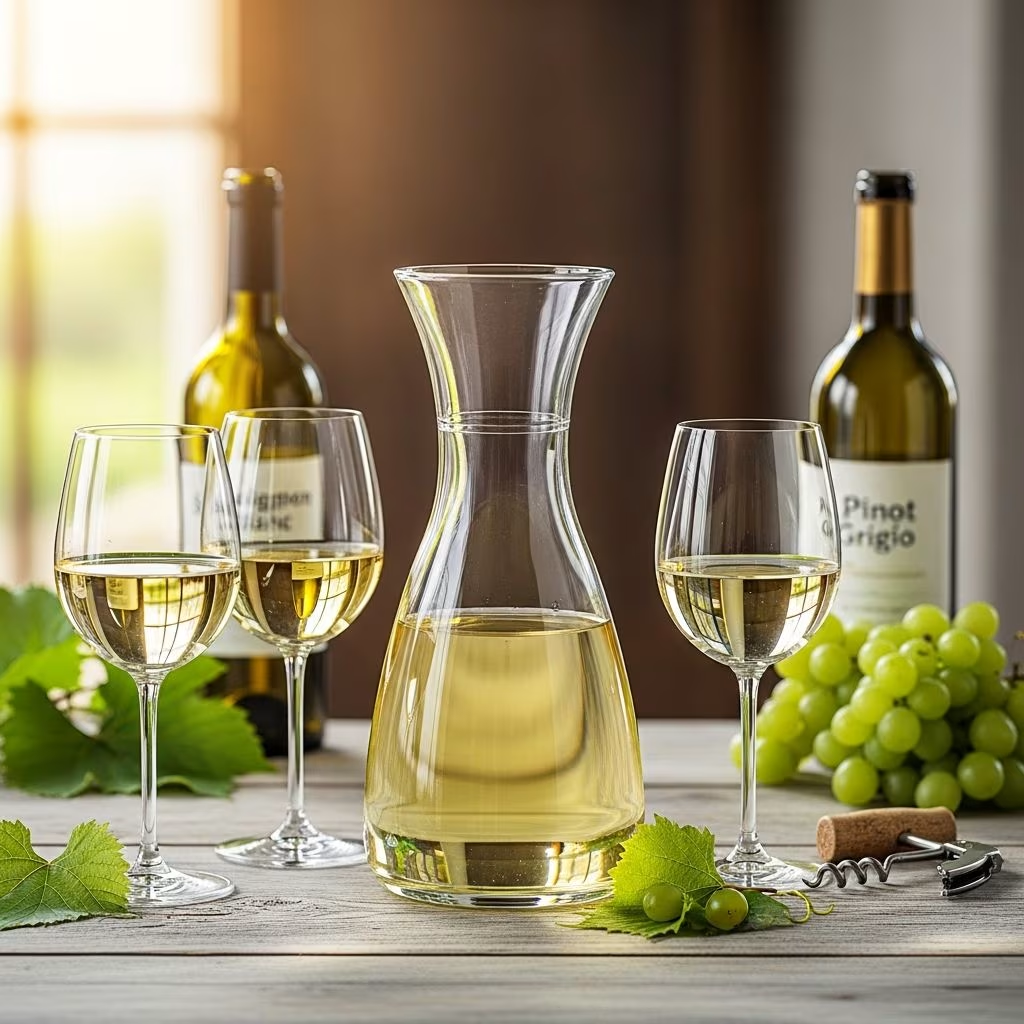
White wines offer a spectrum of refreshing tastes, from zesty citrus notes to creamy, oaked richness, making them ideal for newcomers to explore. This guide breaks down essential varieties, tasting characteristics, pairing ideas, and practical tips to build your confidence in selecting and enjoying them.
Why Start with White Wines?
White wines stand out for their versatility and approachability, often featuring bright acidity that refreshes the palate. Unlike reds, they typically avoid heavy tannins, emphasizing fruit-driven flavors and lighter body. Grapes are harvested earlier to preserve acidity, resulting in crisp profiles perfect for warm days or light meals.
Beginners appreciate whites for their straightforward appeal: many are unoaked, highlighting pure grape aromas like apple, lemon, or tropical fruit. Whether dry and mineral or softly sweet, they suit casual sipping or formal dinners.
Key Characteristics of White Wines
Understanding body, acidity, and sweetness levels helps navigate choices. Body ranges from light (crisp, easy-drinking) to full (rich, textured). Acidity provides zing, while sweetness varies from bone-dry to dessert-like.
- Light-bodied: High acidity, subtle fruit; think summer sippers.
- Medium-bodied: Balanced fruit and structure; everyday favorites.
- Full-bodied: Creamy textures, often oak-influenced; meal companions.
Sweetness scales from dry (no perceptible sugar) to off-dry, sweet, and luscious, influencing pairings from seafood to spicy dishes.
Popular White Wine Varieties
Sauvignon Blanc: Crisp and Vibrant
Sauvignon Blanc delivers herbaceous freshness with green apple, lime, and grassy notes, thanks to pyrazines in its green-skinned grapes. Medium-bodied yet dry, it’s highly aromatic and zesty, originating from regions like New Zealand’s Marlborough or France’s Loire Valley.
Expect a pale yellow hue and lively acidity that cuts through rich foods.
Chardonnay: The Versatile Chameleon
Chardonnay adapts dramatically by region and technique. Cool-climate versions from Chablis offer flinty minerality and green apple; warmer spots like California yield buttery, oaked styles with pineapple, vanilla, and toast.
Unoaked is lean and citrusy; oak-aged gains creaminess, making it a staple worldwide.
Pinot Grigio/Pinot Gris: Everyday Adaptability
Italian Pinot Grigio shines light and crisp with lemon, pear, and green apple, ideal for casual meals. Alsace or Oregon Pinot Gris turns richer, with stone fruit, honey, and spice in a fuller, off-dry body.
Its range suits beginners seeking reliable, food-friendly options.
Riesling: Aromatic Spectrum
Riesling’s high acidity supports styles from bone-dry lime zingers to honeyed sweets with petrol hints. German or Australian versions burst with apricot and floral perfume, aging gracefully.
Check labels for dryness levels to match your preference.
Gewürztraminer: Exotic and Spicy
With pink skins yielding golden hues, Gewürztraminer (‘spice’ in German) offers lychee, rose, ginger, and low-acidity plushness. Often off-dry, its bold aromatics pair with Asian cuisine.
Other Noteworthy Varieties
- Grüner Veltliner: Austrian peppery crispness with green apple, radish, and white pepper; savory and linear.
- Vermentino: Mediterranean salinity, grapefruit, herbs, and waxy texture from coastal Italy.
- Chenin Blanc: Loire’s mineral quince or South Africa’s peachy rounds; spans dry to sweet.
- Viognier: Floral Rhône beauty with peach, nectarine, and citrus brightness.
- Grenache Blanc: Spanish warmth yields higher alcohol, low acidity, and oak-plush dryness.
Flavor Profiles and Body Comparison
| Variety | Body | Key Flavors | Acidity | Sweetness |
|---|---|---|---|---|
| Sauvignon Blanc | Medium | Grass, citrus, gooseberry | High | Dry |
| Chardonnay (unoaked) | Light-Medium | Apple, lemon, mineral | Medium-High | Dry |
| Chardonnay (oaked) | Full | Tropical, butter, vanilla | Medium | Dry |
| Pinot Grigio | Light | Pear, apple, melon | Medium | Dry-Off-dry |
| Riesling | Light-Medium | Lime, peach, petrol | High | Dry to Sweet |
| Gewürztraminer | Medium | Lychee, spice, rose | Low | Off-dry |
Perfect Food Pairings
White wines excel with lighter fare, but styles dictate matches. Crisp highs cut fatty fish; fuller bodies handle creams.
- Seafood: Sauvignon Blanc or unoaked Chardonnay with oysters, shrimp.
- Poultry/Salads: Pinot Grigio or Grüner Veltliner for grilled chicken, greens.
- Spicy Dishes: Off-dry Riesling or Gewürztraminer tames Thai, Indian heat.
- Cheeses: Chardonnay with soft bries; Chenin Blanc with goat cheese.
- Vegetarian: Vermentino’s herbs complement pesto or veggies.
Serving and Storage Essentials
Serve whites chilled at 45-55°F (7-13°C): lighter at cooler ends, fuller slightly warmer. Use tulip glasses to concentrate aromas. Avoid over-chilling, which mutes flavors.
Store upright in cool (55°F), dark spots; consume within 1-3 years for most, though premium Rieslings or Chardonnays age 5-10 years. Corked bottles? Sniff for off smells.
How to Read White Wine Labels
Labels reveal origin, style, and quality. Look for appellations like ‘Marlborough’ for Sauvignon Blanc or ‘Alsace’ for aromatic whites. Terms like ‘Reserva’ indicate aging; ‘Trocken’ means dry in German.
Vintage matters for age-worthy picks; non-vintage blends ensure consistency.
Building Your White Wine Collection
Start with a mix: one crisp Sauvignon, versatile Chardonnay, aromatic Riesling. Shop by region for value—New Zealand for Sauv Blanc, Italy for Pinot Grigio. Taste locally or via subscriptions to experiment safely.
Frequently Asked Questions (FAQs)
What is the best white wine for beginners?
Pinot Grigio or Sauvignon Blanc: approachable, affordable, and refreshing without overwhelming complexity.
How do I know if a white wine is sweet?
Labels specify ‘dry,’ ‘off-dry,’ or ‘sweet.’ Taste descriptors like ‘fruity’ often signal residual sugar.
Should white wine be served ice cold?
No—aim for fridge temperature (45-55°F) to preserve aromas; too cold numbs flavors.
Can white wines age?
Yes, high-acid varieties like Riesling improve over years; most are best young.
What’s the difference between Pinot Grigio and Pinot Gris?
Same grape: Grigio (Italian) is lighter; Gris (French-style) richer.
References
- Types of White Wine | Wine Guide — Virgin Wines. 2023. https://www.virginwines.co.uk/hub/wine-guide/wine-types/types-of-white-wine/
- 15 Types of White Wine: Flavours, Styles & Perfect Pairings — Vinito. 2024. https://www.drinkvinito.com/blogs/wine-tips/types-of-white-wine
- White Wine Types: Light, Medium & Full — Good Pair Days. 2023. https://www.goodpairdays.com/guides/wine-101/article/white-wine/
- A Sommelier’s Guide to White Wine Types — Bricoleur Vineyards. 2024. https://bricoleurvineyards.com/blogs/news/a-sommelier-s-guide-to-white-wine-types
- The Different Types of White Wine — Marketview Liquor. 2023. https://www.marketviewliquor.com/blog/the-different-types-of-white-wine/
This article is general information, not personal financial advice. Consider your own situation, or speak with a licensed adviser, before acting on it.


