

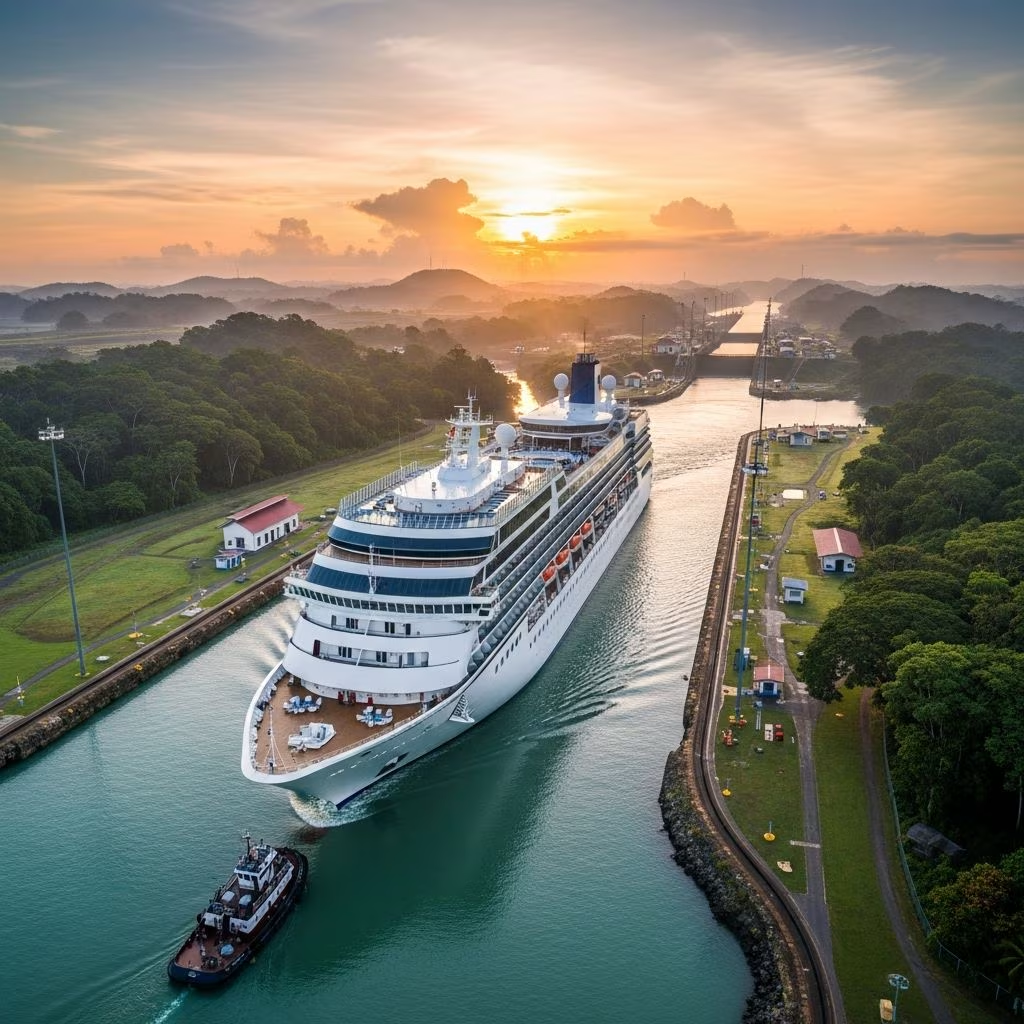
Panama Canal cruises offer a unique blend of engineering marvel, natural beauty, and cultural discovery, allowing travelers to witness ships navigating the iconic 50-mile waterway that links the Atlantic and Pacific Oceans.
The Engineering Wonder of the Panama Canal
The Panama Canal stands as one of the greatest feats of modern engineering, completed in 1914 after years of challenging construction through dense jungles and rugged terrain. Spanning approximately 50 miles across the Isthmus of Panama, it revolutionized global trade by eliminating the need for ships to navigate the lengthy and treacherous route around Cape Horn.
A full transit typically requires 8 to 10 hours, depending on traffic and lock operations. Ships enter from either the Caribbean (Atlantic) side or the Pacific side, passing through a series of locks that raise and lower vessels by up to 85 feet to match ocean levels. Key sections include the Gatun Locks on the Atlantic entrance, the expansive Gatun Lake, the Pedro Miguel Locks, and the Miraflores Locks near the Pacific exit.
During a cruise transit, passengers enjoy front-row seats to this spectacle. Early mornings are prime for securing vantage points like open decks or helicopter pads, where views of massive gates opening and water surging create unforgettable moments. The canal’s efficiency remains impressive, handling diverse vessels from cargo ships to luxury liners amid lush rainforests teeming with wildlife.
Popular Itineraries and Transit Options
Panama Canal cruises vary in length and scope, catering to different preferences and budgets. Most popular are full transits, often one-way voyages from Florida ports like Miami or Fort Lauderdale to West Coast destinations such as Los Angeles, San Diego, or Vancouver. These 14- to 21-night sailings include multiple sea days and stops in vibrant ports.
Partial transits provide a shorter preview, turning around after the Gatun Locks without a full crossing. Some lines offer cruise ships that anchor nearby while passengers take ferry excursions through challenging sections like the Culebra Cut, the canal’s narrowest and most demanding stretch.
| Itinerary Type | Duration | Sample Route | Starting Price (per person, double occupancy) |
|---|---|---|---|
| Full Transit | 14-21 nights | Miami to Los Angeles | $1,758+ |
| Partial Transit | 7-10 nights | Roundtrip Fort Lauderdale | $1,925+ |
| Extended Voyage | 30+ nights | Fort Lauderdale to South America | $3,292+ (all-inclusive) |
Specific examples include routes stopping in Cartagena, Colombia; Puntarenas, Costa Rica; and Cabo San Lucas, Mexico. Luxury options might feature overnights in Panama City or extended segments combining the canal with South American ports like Lima or Rio de Janeiro.
Best Time to Book Your Voyage
The Panama Canal cruise season spans October to April, aligning with the dry season for optimal weather. Post-rainy season travel from November onward minimizes showers, though fall months like November can still see precipitation. Peak periods around holidays offer festive atmospheres but higher prices and crowds.
- Dry Season (December-April): Sunny skies, low humidity, ideal for deck viewing and excursions.
- Shoulder Months (October-November): Fewer crowds, potential rain but lush greenery.
- Avoid May-September: Heavy rains increase humidity and mosquito activity, with limited sailings.
Booking 6-12 months in advance secures better cabins and rates, especially for balcony staterooms perfect for canal watching.
Onboard Experience During Canal Transit
A Panama Canal day transforms the ship into an open-air classroom and observation deck. Expect commentary from experts detailing the canal’s history, from French attempts in the 1880s to American completion amid yellow fever battles. Many lines provide special events like lectures, themed lunches, and photo ops.
Activities keep all ages engaged: trivia on canal facts, live music on pool decks, spa treatments overlooking the locks, and kids’ programs with scavenger hunts. Dining shines with regional flavors—think fresh ceviche and tropical fruits—while casinos and shows provide evening entertainment.
Pro tip: Arrive at viewing spots by dawn. The sequence unfolds dramatically: entering Gatun Locks (three chambers raising 85 feet), cruising Gatun Lake (spotting monkeys and birds), descending via Pedro Miguel and Miraflores Locks, and passing under the Bridge of the Americas.
Exciting Shore Excursions and Port Highlights
Ports en route burst with adventure. In Panama City (Fuerte Amador), explore Casco Viejo’s colonial architecture or Emberá indigenous villages. Colón offers canal-side sites and Monkey Island kayaking on Gatun Lake.
Other gems include:
- Cartagena, Colombia: Walled city’s colorful streets, classic car tours.
- Puntarenas, Costa Rica: Sloth spotting, rainforest zip-lines, ATV rides.
- ABC Islands (Aruba, Bonaire, Curaçao): Pristine beaches, snorkeling in aquamarine waters.
- Puerto Vallarta, Mexico: Pool parties, rural community visits.
Canal-focused excursions like ferry rides through Culebra Cut or lock overviews add depth without full ship transit.
Packing Essentials and Practical Tips
Prepare for a mix of sea days and tropical ports. Essentials include:
- Light, breathable clothing, rain jacket, sturdy walking shoes.
- High SPF sunscreen, insect repellent, binoculars for wildlife.
- Power strips (check ship policy), portable charger for all-day photos.
- Passports valid 6+ months, travel insurance covering medical evacuations.
Health precautions: Stay hydrated, use DEET repellents, consider yellow fever vaccine for some ports. Seas can be calm, but motion sickness aids help during lake crossings.
Maximizing Value with Credit Card Rewards
Offset costs using travel rewards credit cards. Cards earning bonus points on cruises or travel book cruises at 2-5x value. Look for no foreign transaction fees, purchase protections, and cruise-specific perks like onboard credits.
Strategies:
- Book through portals for extra miles (e.g., 5x on travel).
- Redeem points for excursions or flights to/from ports.
- Pay balances promptly to earn welcome bonuses covering 10-20% of fare.
Compare cards for annual fees vs. benefits; some waive cruise gratuities or provide priority boarding.[Chase-inspired, synthesized]
Frequently Asked Questions
How long is a Panama Canal transit?
8-10 hours for full crossing, with partial options shorter.
Do all cruises go fully through?
No, some offer partial views or ferry alternatives.
What’s the weather like?
Dry season (Oct-Apr) best; pack layers for variable conditions.
Are there family-friendly options?
Yes, lines like Disney and Royal Caribbean cater to kids with themed activities.
How much do they cost?
From $1,700/person for basics; luxury up to $10,000+.
Why Choose a Panama Canal Cruise?
These voyages combine bucket-list engineering with diverse ports, from rainforests to beaches. Whether seeking adventure or relaxation, the canal’s drama and onboard luxury make it a standout.
References
- Panama Canal Cruises: What You Should Know Before Booking — Frommer’s. 2023. https://www.frommers.com/slideshows/848632-panama-canal-cruises-what-you-should-know-before-booking/
- Panama Canal Cruises: A Guide — Royal Caribbean. 2025. https://www.royalcaribbean.com/guides/panama-canal-cruises
- What’s It Like to Go Through the Panama Canal on a Cruise? — In the Loop Travel. 2024. https://www.inthelooptravel.com/cruising/whats-it-like-to-go-through-the-panama-canal-on-a-cruise
- Travel Through the Panama Canal — Celebrity Cruises. 2025. https://www.celebritycruises.com/destinations/panama-canal-cruises
- How to Choose a Panama Canal Cruise — Silversea. 2024. https://www.silversea.com/blog/destinations/central-america/how-to-choose-a-silversea-panama-canal-cruise
- Panama Canal Cruises: Everything You Need to Know — Cruise Critic. 2025. https://www.cruisecritic.com/articles/panama-canal-cruise-tips
This article is general information, not personal financial advice. Consider your own situation, or speak with a licensed adviser, before acting on it.


