

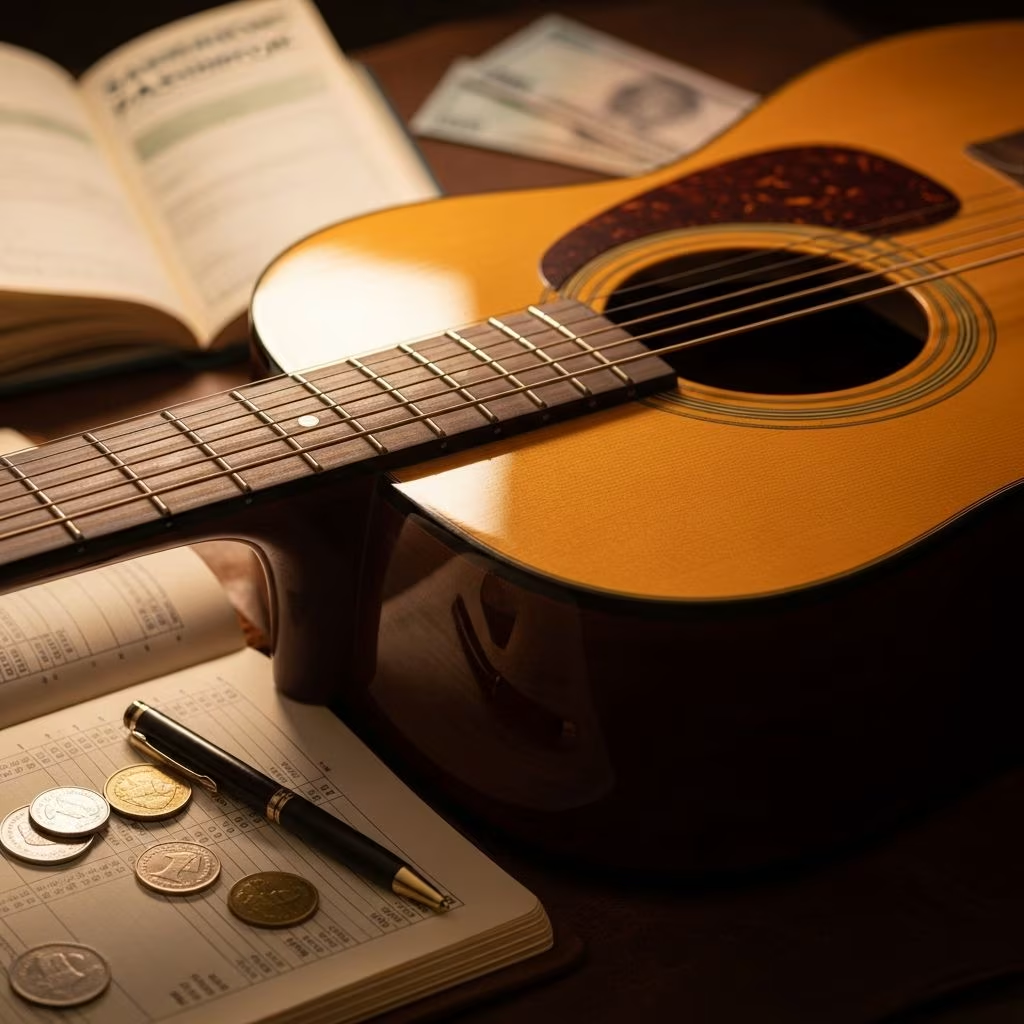
Acquiring a high-quality musical instrument often involves significant expense, but various financing methods make it accessible. These options spread costs over time, enabling musicians to focus on practice rather than payment burdens.
Why Consider Financing for Instruments?
Musical instruments range from affordable beginner models to professional-grade pieces costing thousands. Financing allows ownership without immediate full payment, similar to renting but with equity buildup. Payments mirror rental fees, yet lead to full ownership for future upgrades or sales.
Benefits include low or zero interest rates, flexible terms up to 48 months, and quick approvals. Retailers partner with financiers to offer these, supporting musicians at all levels from students to pros.
Popular Financing Options Available
Several providers specialize in music gear financing, each with unique features.
- Retailer-Specific Plans: Stores like Guitar Center provide 0% interest for 48 months on qualifying purchases over certain amounts, ideal for guitars and amps.
- Third-Party Financing: Companies such as Synchrony and Affirm enable ‘buy now, pay later’ with promotional periods, often no interest if paid timely.
- Credit Union Loans: Institutions offer secured loans up to $250,000, financing 75% of appraised value with terms to 20 years.
- In-House Store Credit: Music shops provide cards with deferred interest, converting to low payments post-promo.
| Option | Key Features | Best For | Potential Drawback |
|---|---|---|---|
| 0% Promo Financing | Up to 48 months no interest | New instruments $199+ | High APR if not paid off |
| Personal Loans | Fixed rates, up to 60 months | High-value items $10K+ | Requires credit check |
| Credit Cards | Intro 0% for 12-18 months | Smaller purchases | Lower limits |
| Revenue-Based | Tied to business revenue | Music stores/Pros | Needs $250K+ revenue |
Qualifying for Zero-Interest Deals
Zero-percent financing appeals most, but requires good credit typically above 670 FICO. Applications involve soft pulls initially, hardening upon approval. Providers like Synchrony assess income stability and debt levels.
For businesses, revenue-based options from alternative lenders approve with lower scores if revenue exceeds $250,000 annually and 12 months operating. Banks demand stricter criteria, while online lenders offer speed.
Building a Solid Financial Plan
Start by assessing your budget. Calculate monthly affordability, factoring instrument cost, down payment (often 10-50%), and extras like cases or maintenance. Tools from financiers estimate payments.
- Determine total need: List desired instrument and accessories.
- Check pre-approvals: Apply softly to compare rates without impact.
- Save for down payment: Reduces loan size and interest.
- Project payments: Ensure under 10-15% of income.
Compare renting versus buying: Rentals lack equity, while financing builds ownership for resale value.
Credit Cards as a Flexible Alternative
Cards with introductory 0% APR suit shorter-term buys. Pay off within 12-18 months to avoid retroactive interest. Balance transfers extend this, but fees apply. Limits often cap at purchase needs, perfect for amps or effects pedals.
Secured Loans for Premium Gear
For instruments over $10,000, credit unions provide tiered loans. Tier 1 ($10K-$50K) offers 60-month terms at fixed rates, collateralized by the instrument. Tier 2 extends to 240 months for $50K+, with balloon options. Automatic payments yield discounts.
Appraisals ensure loan-to-value ratios, protecting lenders while allowing 75% financing.
Business Financing for Music Professionals
Music stores or pros access term loans, lines of credit, or revenue financing. Alternative lenders approve faster with flexible repayments, ideal for inventory buildup.
Navigating Application Processes
Most require basic info: ID, income proof, instrument details. Online apps yield instant decisions. No-credit-check claims exist but reputable ones perform pulls. Pre-qualify to shop rates.
Risks and Pitfalls to Avoid
Deferred interest plans charge retroactively if unpaid. Overborrowing strains budgets. Always read terms for fees, minimums, and post-promo APRs (often 25%+). Maintain payments to build credit.
Long-Term Ownership Advantages
Financed instruments appreciate or hold value, unlike rentals. Trade-ins at dealers offset upgrades. Professionals deduct interest as business expense.
FAQs
Can I finance without a credit check?
Reputable lenders require checks, though soft initially. Avoid no-check offers due to risks.
What’s the best financing for beginners?
0% store cards for $199+ purchases, with short promo periods matching lesson durations.
How much down payment is needed?
Typically 0-50%, higher for loans reducing interest.
Can businesses finance multiple instruments?
Yes, via term loans or revenue financing up to business revenue allows.
Is financing better than renting?
For committed players, yes—builds equity versus sunk rental costs.
Steps to Secure Your Financing Today
Research retailers, compare promos, budget rigorously, apply confidently. Owning quality gear accelerates musical growth.
References
- Musical Instrument Financing Options — Alamo Music Center. 2023. https://www.alamomusic.com/pages/financing
- How to Qualify for 0% Interest Financing on Musical Instruments — Biz2Credit. 2024. https://www.biz2credit.com/musical-instrument-financing/qualify-for-0-interest-musical-instrument-financing
- Financing — Ernie Ball Music Man. 2024. https://www.music-man.com/financing
- Musical Instruments Loans — Actors Federal Credit Union. 2025-02-01. https://www.actorsfcu.com/borrow/loans/musical-instruments-loans
- Play Now, Pay Over Time: How Musical Instrument Financing Works — Synchrony. 2024. https://www.synchrony.com/blog/music/how-musical-instruments-financing-works.html
This article is general information, not personal financial advice. Consider your own situation, or speak with a licensed adviser, before acting on it.


