

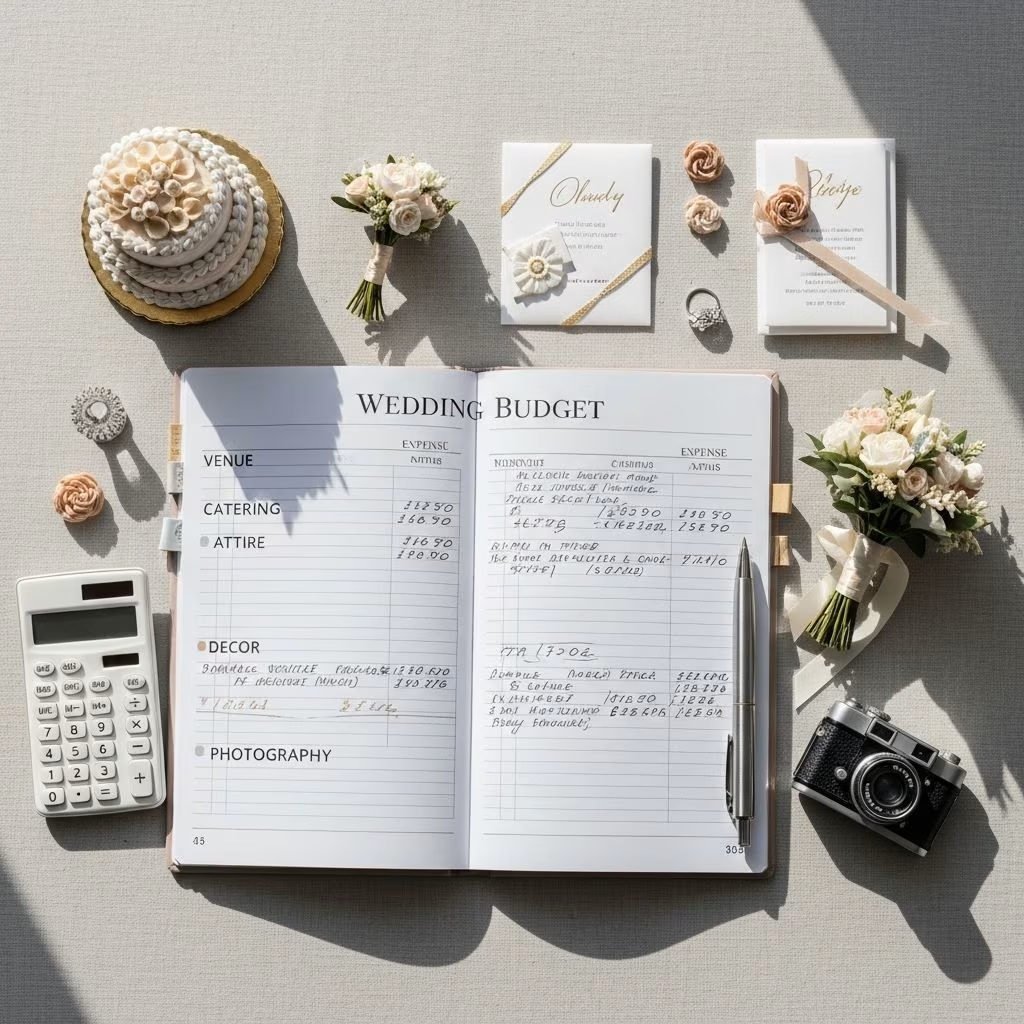
Creating a wedding budget allows couples to enjoy their special day without compromising future financial goals. By assessing personal finances, setting priorities, and tracking expenditures meticulously, you can host a celebration that reflects your values while staying within limits.
Assessing Your Financial Starting Point
Begin by evaluating your current savings and income potential dedicated to the wedding. Calculate combined contributions from you, your partner, and any family support. This establishes a realistic total budget figure, preventing reliance on high-interest debt.
Consider monthly savings goals if time permits before the event. For instance, redirecting discretionary spending from dining out or subscriptions can build funds steadily. Tools like high-yield savings accounts help grow contributions safely.
- Review bank statements for 3-6 months to identify savable amounts.
- Discuss debt payoff plans to free up cash flow.
- Project post-wedding expenses like honeymoons or home purchases.
Defining Your Wedding Priorities
Not all weddings need every element; focus on what matters most. Rank categories by importance, such as a dream venue over elaborate flowers. This guides allocation when choices arise.
| Priority Level | Example Categories | Typical Allocation |
|---|---|---|
| High | Venue, Photography | 30-40% |
| Medium | Catering, Attire | 25-35% |
| Low | Favors, Extras | 10-20% |
Use this framework to adjust based on your vision, ensuring emotional highlights receive adequate funding.
Comprehensive Wedding Expense Categories
Weddings encompass diverse costs; understanding averages helps benchmark your plan. Industry data shows varied percentages, but customization is key.
Reception and Venue Essentials
Venue secures the event’s foundation, often 20-25% of budgets. Factor in site fees, rentals for furniture, and setup. Opt for all-inclusive packages to bundle costs.
Food and Beverage Services
Catering dominates at around 22-25%, covering meals, bar, and staff. Per-guest pricing amplifies with larger lists; buffets save versus plated dinners.
Visual Memories: Photography and Videography
Capture timeless moments with 10% allocation. Compare packages for hours covered and editing included.
Attire and Personal Styling
Outfits for couple and party total 6-7%. Include alterations, accessories, and preservation. Rentals or sample sales reduce outlays.
Decorative and Floral Elements
Ambiance via flowers and setups takes 8-10%. Seasonal blooms or DIY arrangements cut expenses.
Entertainment and Music
Live bands or DJs energize receptions at 8-10%. Playlists via hired sound systems offer thriftier options.
Paper Goods and Communications
Invites, programs, and signage comprise 2-3%. Digital alternatives like wedding sites minimize printing.
Professional Coordination
Planners range from day-of (under $3,000) to full-service ($4,000+), at 5-10%. They negotiate deals and manage timelines.
Additional Incidentals
Rings, transportation, cake, favors, and ceremony items fill remaining 10-15%. Marriage licenses and officiants are non-negotiable basics.
Strategic Cost-Saving Techniques
Trim without sacrificing joy through smart choices. Smaller guest lists slash per-head costs dramatically.
- Choose off-peak dates (November-March) or weekdays for 20-30% discounts.
- Local venues or public spaces like parks avoid premium pricing.
- Negotiate vendor packages; bundle services for savings.
- Leverage DIY for decor, playlists, or signature cocktails.
- Seek referrals for unpublished deals or shoulder-season rates.
Barter skills if applicable, like photography trades, but prioritize professionals for core elements.
Implementing a Dynamic Budget Tracker
A spreadsheet ensures oversight. Columns for planned, actual, and variance per category prevent overruns. Update post every vendor interaction; share access with your partner.
Free templates auto-calculate totals based on inputs, reflecting real-couple data for accuracy. Integrate apps for mobile tracking and alerts.
Navigating Guest List Dynamics
Finalize numbers early; each addition multiplies food, seats, and favors. Categorize must-invites, wish-listers, and plus-ones realistically. Virtual attendance options for distant relatives expand reach affordably.
Vendor Selection and Negotiation Tactics
Research via reviews and portfolios. Request multiple quotes; express budget upfront for tailored proposals. Late bookings or weekdays yield flexibility.
- Read contracts thoroughly for hidden fees.
- Secure deposits refund policies.
- Build rapport for concessions like free upgrades.
Contingency Planning for Unforeseen Costs
Allocate 5-10% buffer for surprises like weather backups or extra guests. Review insurance for events covering cancellations or liability.
Post-Wedding Financial Review
Analyze variances to inform future planning. Celebrate underspending with honeymoon boosts or debt reduction.
Frequently Asked Questions
What percentage of income should a wedding budget be?
Aim for no more than 1-2 months’ salary to preserve savings. Adjust per circumstances.
Is a wedding planner worth the investment?
Yes, for stress reduction and savings via vendor networks, especially partial services.
How can I cut catering costs?
Buffets, food trucks, or family-style servings reduce per-plate prices significantly.
What’s the average wedding cost in 2025?
Around $30,000-$35,000 per real-couple studies, varying by location and size.
Should I use credit cards for wedding expenses?
Only if rewards offset interest; pay balances immediately to avoid debt traps.
References
- The Knot 2025 Real Weddings Study — The Knot. 2025. https://www.theknot.com/content/wedding-budget-ways-to-save-money
- Wedding Budget Checklist — Here Comes The Guide. 2025. https://www.herecomestheguide.com/wedding-ideas/the-ultimate-wedding-budget-breakdown
- How to Create a Wedding Budget — Tungsten Rings Co. 2025-11. https://www.tungstenringsco.com/blog/2025/11/how-to-create-a-wedding-budget-the-complete-guide/
- Budget Breakdown: The Real Price of a Wedding Planner — Joy. 2025. https://withjoy.com/blog/cost-of-wedding-planner/
This article is general information, not personal financial advice. Consider your own situation, or speak with a licensed adviser, before acting on it.


