

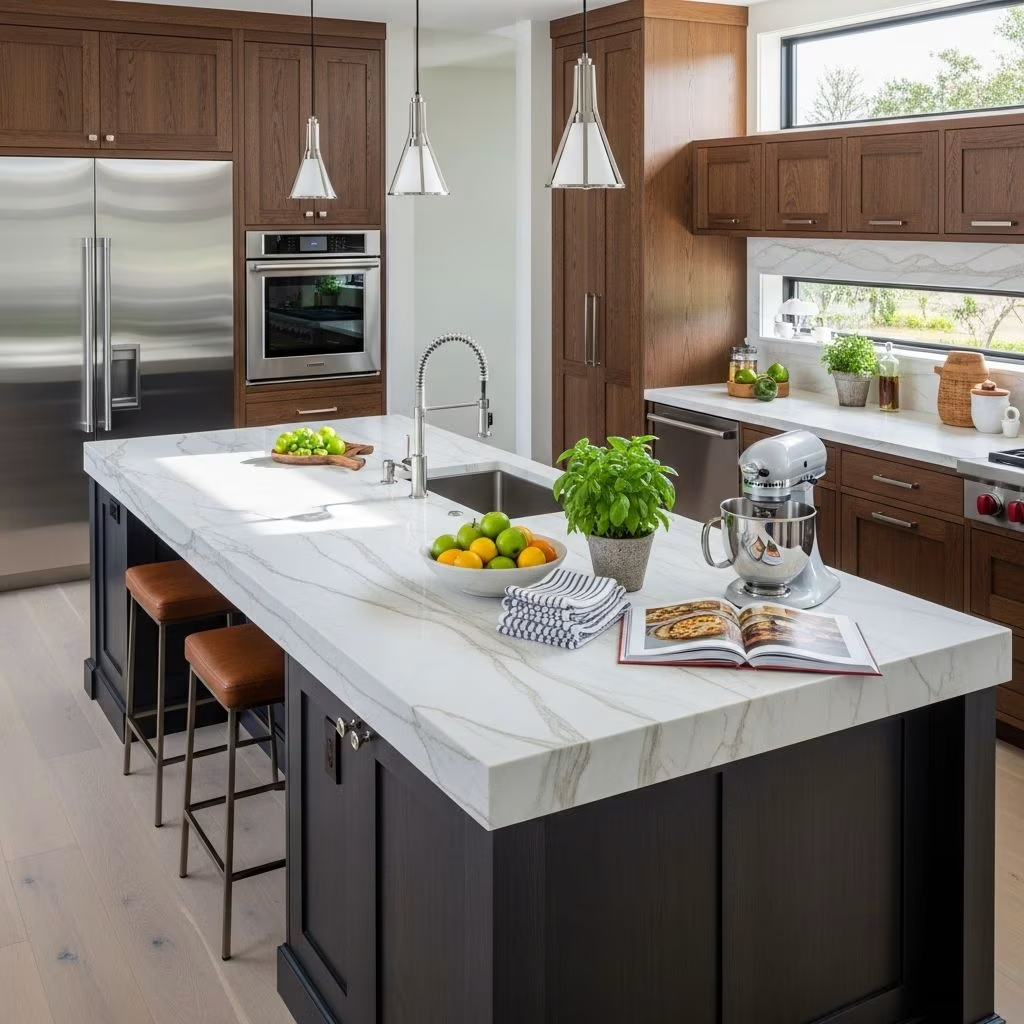
Kitchen islands serve as multifunctional hubs that elevate cooking, dining, and socializing in modern homes. They provide expanded workspace, clever storage, and aesthetic appeal, making them a top choice for renovations.
Why Kitchen Islands Transform Your Cooking Space
At the core of any bustling kitchen, an island acts as a central command post. It extends beyond basic counters by integrating preparation areas, seating, and even appliances, streamlining daily routines. Homeowners report smoother meal prep and less clutter, turning chaotic cooking into an efficient process.
In open-concept layouts, islands create subtle divisions between cooking and living zones without walls, promoting better flow. This setup encourages family interaction, as cooks prepare meals while others gather nearby.
Key Advantages of Installing a Kitchen Island
Kitchen islands deliver practical and visual upgrades that enhance usability and enjoyment.
- Expanded Prep and Counter Area: Islands double as dedicated surfaces for chopping, rolling dough, or staging dishes, reducing reliance on perimeter counters.
- Smart Storage Solutions: Built-in cabinets, drawers, and shelves hide utensils, pots, and appliances, freeing wall space for decor.
- Seating and Social Hub: Bar stools around an island foster casual meals or homework spots, ideal for families or entertaining.
- Workflow Efficiency: Positioning near sink, stove, and fridge optimizes the classic work triangle, minimizing steps during tasks.
- Aesthetic Focal Point: Custom finishes like wood, quartz, or marble make islands statement pieces that tie kitchen themes together.
Potential Drawbacks and How to Mitigate Them
While highly beneficial, islands aren’t ideal for every kitchen. Space constraints top the list of challenges, as they require at least 36-48 inches of clearance for traffic flow.
| Challenge | Impact | Solution |
|---|---|---|
| Limited Floor Space | Crowds narrow kitchens, hindering movement | Opt for slim peninsulas or rolling carts |
| High Installation Costs | Budget overruns from plumbing/electrical | Choose freestanding models without utilities |
| Disrupted Workflow | Poor placement blocks key paths | Plan with 42-inch aisles; consult designers |
| Maintenance Needs | Harder to clean around base | Select seamless materials like quartz |
Addressing these upfront ensures the island enhances rather than complicates your space.
Design Ideas Tailored to Every Kitchen Size
Customization allows islands to fit diverse layouts, from compact apartments to expansive estates.
Compact and Mobile Options
For smaller kitchens, narrow islands (24-30 inches wide) or wheeled units offer flexibility. These provide prep space and storage without permanent commitment, easily movable for cleaning or parties.
Family-Friendly Seating Islands
Extend overhangs by 12-15 inches for comfortable bar seating. Add soft-close drawers below for kid-friendly access to snacks or plates.
Luxury Feature-Packed Designs
Incorporate sinks, cooktops, or wine fridges for pro-level setups. Waterfall edges—stone cascading to the floor—add drama and hide cabinets.
- Material picks: Butcher block for warmth, granite for durability, stainless steel for sleek modernity.
- Lighting: Pendant fixtures above create ambiance and task illumination.
Cost Breakdown: Budgeting for Your Island
Expenses vary by size, materials, and features, typically ranging $2,000-$10,000+ for a standard install.
| Component | Low-End Cost | High-End Cost |
|---|---|---|
| Cabinetry/Base | $2,000 | $5,000 |
| Countertop | $1,000 | $4,000 |
| Plumbing (Sink) | $500 | $2,000 |
| Electrical/Venting | $1,500 | $3,000 |
| Labor/Install | $1,000 | $3,000 |
Freestanding islands skip plumbing costs, starting under $1,500. High-end quartz or custom wood pushes totals higher, but ROI often recoups 80% at resale.
Boosting Property Value with Strategic Additions
Real estate experts note islands as buyer magnets, signaling a modern, functional kitchen. Updated kitchens with islands can lift home values by 5-10%, especially in competitive markets.
Focus on timeless designs: neutral tones, quality materials, and ample storage appeal broadly. Local realtors confirm islands differentiate listings, speeding sales.
Installation Essentials: Steps to Success
- Measure Precisely: Ensure 42-48 inches around all sides for easy navigation.
- Plan Utilities: Route plumbing/electrical early; hire licensed pros for safety.
- Select Durable Materials: Quartz resists stains; wood needs sealing.
- Test Layout: Use painter’s tape to mock up footprint before building.
- Finish Strong: Add hardware, lighting, and stools for cohesion.
Professional contractors prevent costly errors, with projects wrapping in 1-2 weeks.
FAQs: Kitchen Island Essentials
What is the ideal size for a kitchen island?
Aim for 36-48 inches wide and 6-8 feet long, depending on room dimensions. Allow 36+ inches clearance.
Do kitchen islands increase home value?
Yes, often recouping 80% of costs via enhanced appeal and functionality.
Can small kitchens have islands?
Absolutely—use peninsulas or mobiles for under 100 sq ft spaces.
What countertop material lasts best?
Quartz for low maintenance; granite for heat resistance.
How much space do I need around an island?
Minimum 36 inches; 42-48 preferred for two-sided use.
Maintenance Tips for Longevity
Seal natural stone yearly, wipe spills promptly, and avoid harsh cleaners on wood. Regular dusting keeps cabinets crisp.
References
- Benefits of Having a Kitchen Island — Simplicity Homes. 2023-05-10. https://www.simplicity-homes.com/blog/2023/05/10/benefits-of-having-a-kitchen-island/
- Adding an Island to Your Kitchen Remodel: Pros and Cons — Image Kitchen Bath. N/A. https://www.imagekitchenbath.com/adding-an-island-to-your-kitchen-remodel-pros-and-cons
- Kitchen Island: 5 Reasons to Have One! — Rodi Home. N/A. https://rodihome.com/en/tips-tricks/kitchen-island-5-reasons-to-have-one/
- The Benefits of Having a Kitchen Island — Elgar Kitchens. 2025-06-18. https://elgarkitchens.co.uk/2025/06/18/the-benefits-of-having-a-kitchen-island/
- Is Adding a Kitchen Island a Good Investment? The Pros and Cons — Realtor.com. N/A. https://www.realtor.com/living/personal-finance/adding-a-kitchen-island-good-investment-pros-cons/
This article is general information, not personal financial advice. Consider your own situation, or speak with a licensed adviser, before acting on it.


