

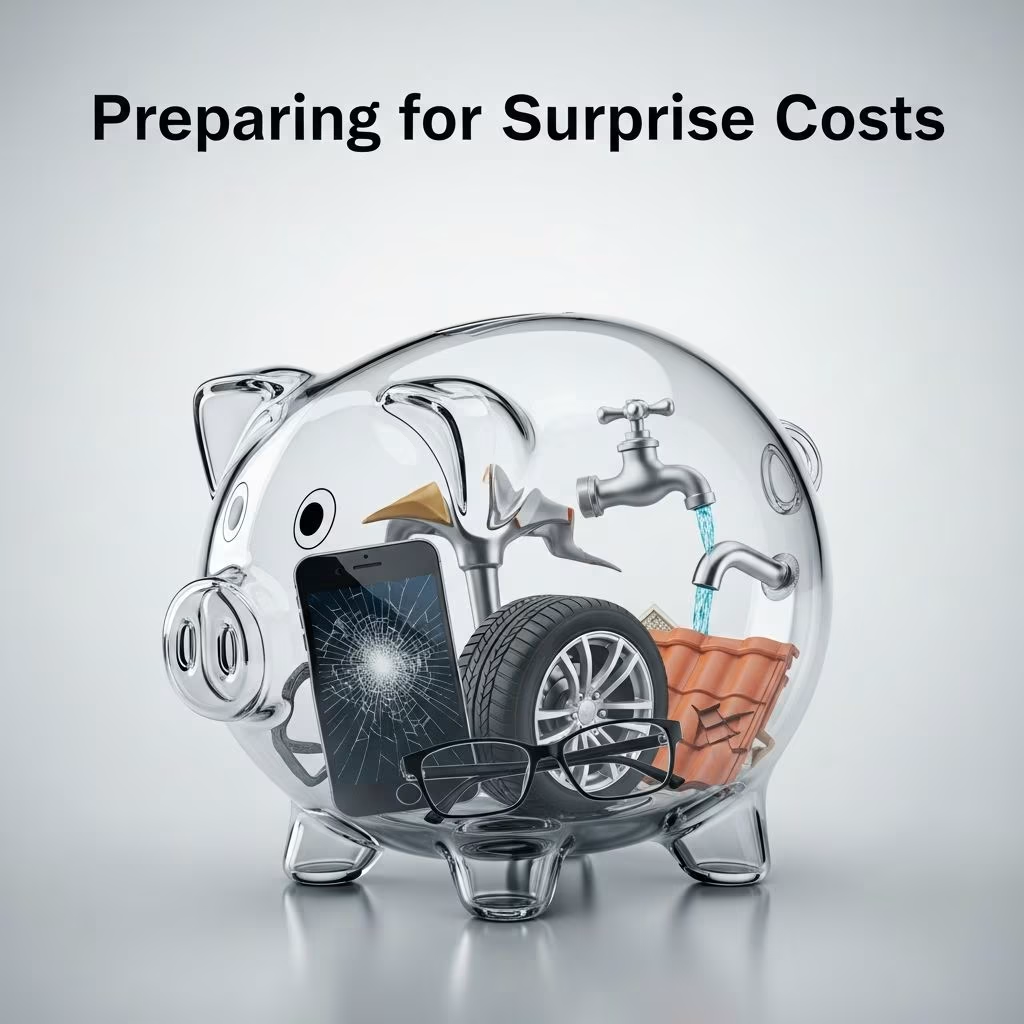
Life often throws financial curveballs that can disrupt even the most organized budgets. From sudden medical bills to urgent car repairs, these surprise costs test our preparedness. Effective planning turns potential crises into manageable situations, preserving long-term financial health.
Why Surprise Costs Matter
Unexpected expenses affect millions annually. Surveys reveal that nearly one-third of employed Americans hold less than $1,000 in emergency savings, leaving many vulnerable to debt spirals. These costs include home maintenance, health emergencies, vehicle breakdowns, and job disruptions. Recognizing their inevitability allows proactive measures to mitigate impact.
Common triggers encompass medical emergencies, which can exceed $2,000 without insurance coverage, and auto repairs averaging $500 per incident. Homeowners face plumbing or roofing issues costing thousands. By categorizing potential risks, individuals gain foresight into vulnerabilities.
Establishing a Financial Safety Net
The cornerstone of readiness is an **emergency fund**, a dedicated reserve for unforeseen needs. Experts recommend saving 3-6 months of essential living expenses, covering rent, food, utilities, and transport.
- Begin small: Automate $50-100 monthly transfers to a high-yield savings account.
- Scale up: Target full coverage based on household size and fixed costs.
- Protect it: Keep funds liquid but separate from daily spending accounts.
Choose accounts offering competitive interest with easy access, avoiding penalties for withdrawals. This buffer prevents reliance on high-interest credit, preserving credit health.
Crafting a Resilient Budget Framework
A rigid budget crumbles under pressure; flexibility is key. Allocate portions for both predictable and variable costs, incorporating a buffer line item for surprises.
| Budget Category | Percentage Allocation | Purpose |
|---|---|---|
| Essentials (housing, food, utilities) | 50% | Non-negotiable needs |
| Discretionary (entertainment, dining out) | 30% | Flexible wants |
| Savings & Debt | 20% | Future security and emergencies |
Adopt the 50/30/20 rule for structure. Monthly reviews adjust for income shifts or rising costs, ensuring alignment with realities.
Identifying and Prioritizing Spending
Distinguish necessities from luxuries to free resources. Review statements to pinpoint cuts like unused subscriptions or impulse buys.
- Housing: Essential mortgage/rent; discretionary upgrades.
- Transportation: Fuel and maintenance vital; premium services optional.
- Health: Insurance premiums core; elective treatments deferrable.
- Entertainment: Mostly cuttable during tight periods.
Family discussions clarify priorities, revealing hidden costs like equipment needs. This process builds consensus and automates decisions during crises.
Boosting Income to Offset Shocks
When expenses surge, revenue streams provide relief. Explore side gigs, overtime, or asset sales without depleting reserves.
- Freelance platforms for skills like writing or graphic design.
- Seasonal roles during holidays or peak tourism.
- Sell unused goods via marketplaces.
Employee perks, such as salary advances or 401(k) loans, offer low-cost options—verify terms to avoid penalties. Skill-building through courses enhances earning potential long-term.
Leveraging Insurance and Protections
Proactive coverage reduces out-of-pocket hits. Audit policies for health, auto, home, and renters insurance.
- Upgrade deductibles if affordable for lower premiums.
- Add riders for frequent risks like floods or identity theft.
- Review life insurance for cash value access in emergencies.
Anticipate semi-predictables like annual taxes or vehicle servicing by pre-saving in sinking funds. This blurs lines between expected and surprise costs.
Technology Tools for Financial Oversight
Apps and online platforms simplify tracking. Use budgeting software linking accounts for real-time insights.
- Expense trackers categorize spends automatically.
- Alerts notify of overspending thresholds.
- Forecasting tools predict shortfalls based on trends.
Mobile banking facilitates adjustments on-the-go, enhancing agility.
Long-Term Strategies for Stability
Beyond immediate fixes, holistic planning builds resilience. Set retirement goals, invest diversely, and hedge inflation via annuities.
Credit health matters: Maintain scores above 700 for favorable borrowing rates during needs. Regular financial advisor check-ins refine withdrawal plans, prioritizing essentials.
Case Studies: Real-World Applications
Consider a family facing $3,000 plumbing repairs. With a 4-month emergency fund, they covered costs without debt. Another trimmed subscriptions, saving $200 monthly redirected to savings. These examples illustrate fund efficacy and budget tweaks.
Common Pitfalls to Avoid
- Tapping funds for non-emergencies, like vacations.
- Ignoring inflation eroding savings value.
- Over-relying on credit, accruing interest.
- Neglecting periodic policy reviews.
Frequently Asked Questions
What qualifies as an emergency expense?
Income loss, medical urgencies, home/car repairs essential for safety or function—not elective purchases.
How quickly should I build an emergency fund?
Aim for $1,000 starter goal, then 3-6 months’ expenses over 12-24 months via consistent contributions.
Is a credit card a viable alternative?
Only if high-limit, low-interest, with immediate payoff plan; prefer savings to avoid cycles.
What if I can’t save due to debt?
Prioritize minimum payments, then small emergency builds alongside debt reduction.
How does inflation affect my fund?
Opt for high-yield accounts; reassess targets annually as costs rise.
Steps to Launch Your Plan Today
- Calculate 3 months’ essentials.
- Open dedicated savings account.
- Automate transfers post-payday.
- Track and categorize one month’s spending.
- Secure or review insurances.
Implementing these fosters confidence, reducing stress from financial unknowns. Consistent action compounds into enduring security.
References
- Including unexpected expenses in your budget — MassMutual Blog. 2023-05-15. https://blog.massmutual.com/planning/planning-for-unexpected-expenses
- Mastering Financial Curveballs: Tips for Managing Unexpected Expenses — First National Bank. 2024-08-20. https://www.ibankfirst.com/personal-banking/mastering-financial-curveballs-tips-for-managing-unexpected-expenses
- What Are Unexpected Expenses and How to Avoid Them — Discover. 2024-11-10. https://www.discover.com/personal-loans/resources/major-expenses/planning-unexpected-expenses/
- How to plan for unexpected expenses — First Financial Bank. 2024-03-12. https://www.bankatfirst.com/personal/discover/flourish/prepare-for-unexpected-expenses.html
- Recent retirees battle with unexpected financial challenges — Nationwide News. 2025-01-22. https://news.nationwide.com/recent-retirees-battle-with-unexpected-financial-challenges-regret-retirement-savings-strategies/
- An essential guide to building an emergency fund — Consumer Financial Protection Bureau. 2023-07-01. https://www.consumerfinance.gov/an-essential-guide-to-building-an-emergency-fund/
This article is general information, not personal financial advice. Consider your own situation, or speak with a licensed adviser, before acting on it.


