

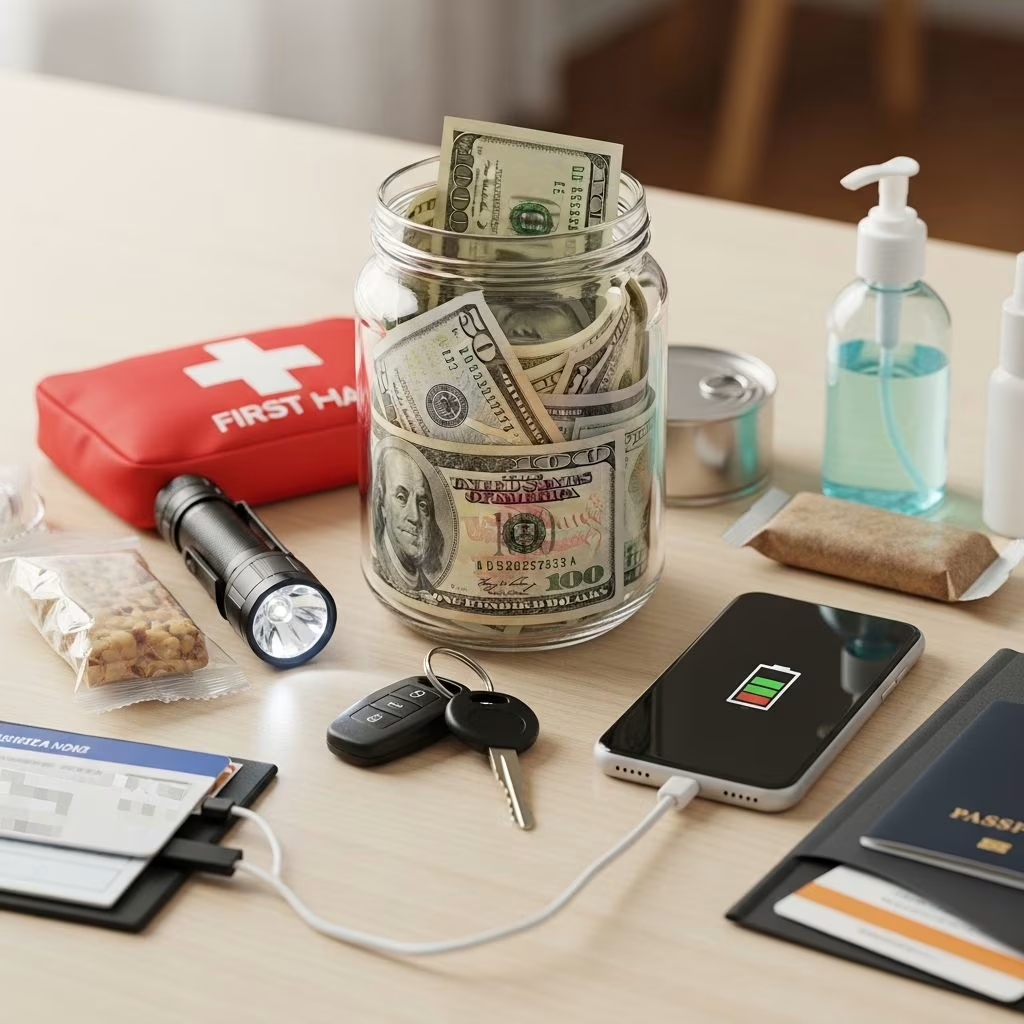
An **emergency fund** acts as a critical financial buffer, dedicated solely to covering unforeseen crises like sudden job loss, urgent medical needs, or essential home fixes. This reserve empowers individuals to navigate disruptions without resorting to high-interest debt or depleting long-term investments.
The Vital Role of a Financial Safety Net
Life’s unpredictability demands preparation. Without a dedicated pool of accessible cash, routine surprises can escalate into overwhelming crises. Financial advisors universally stress that an emergency fund prevents minor issues from derailing broader stability.
Consider the psychological relief: knowing funds are available reduces anxiety during turmoil, allowing focus on solutions rather than scrambling for money. This security fosters better decision-making, such as negotiating better job terms or prioritizing health without immediate cash pressures.
Real-World Scenarios That Demand Quick Cash
- Employment disruptions: Layoffs or hour cuts that halt income flow, requiring coverage for months of bills.
- Health crises: Procedures or treatments exceeding insurance limits, plus recovery downtime.
- Vehicle failures: Repairs vital for commuting, preventing work access.
- Home maintenance: Burst pipes, faulty heating, or structural issues threatening habitability.
- Family obligations: Urgent travel for funerals or caregiving, often with lodging and transport costs.
These events strike without warning, affecting nearly every household at some point. A well-stocked fund turns potential disasters into manageable hurdles.
Determining Your Ideal Savings Target
Experts recommend accumulating **3 to 6 months’ worth of essential living expenses** as a baseline. This covers rent, utilities, groceries, transportation, and minimum debt payments—not luxuries.
| Household Type | Recommended Months | Monthly Expenses Example | Target Amount |
|---|---|---|---|
| Single, stable job | 3-6 | $3,000 | $9,000-$18,000 |
| Couple, dual income | 3-6 | $5,000 | $15,000-$30,000 |
| Single parent, variable income | 6-12 | $4,000 | $24,000-$48,000 |
| Freelancer or gig worker | 9-12 | $2,500 | $22,500-$30,000 |
Adjust based on risk factors: freelancers or those in volatile industries should aim higher, while dual-income households with robust benefits might lean toward the lower end. Calculate by totaling fixed costs and multiplying accordingly.
Optimal Locations for Your Emergency Reserves
Accessibility and safety define the best storage. Opt for **high-yield savings accounts (HYSAs)** or money market funds offering liquidity and modest interest without stock market risks.
- Traditional savings accounts: FDIC-insured up to $250,000, easy transfers.
- HYSAs: Higher APYs (often 4-5% as of 2025), online access.
- Money market accounts: Check-writing privileges, competitive yields.
- Cash management apps: User-friendly for small deposits, with insurance.
Avoid stocks, CDs (lock-up periods), or checking accounts (low/no interest). Keep it separate from daily spending to enforce discipline.
Step-by-Step Strategies to Grow Your Fund
Building requires discipline, but incremental habits yield results. Start with $1,000 as a mini-goal, then scale up.
- Track and trim expenses: Review bank statements to cut non-essentials like subscriptions or dining out, redirecting 10-20% of income.
- Automate transfers: Post-paycheck moves to savings prevent temptation.
- Leverage windfalls: Deposit tax refunds, bonuses, or gifts directly—no exceptions.
- Boost earnings: Side hustles like ridesharing, freelancing, or selling possessions add quick boosts.
- Review progress quarterly: Celebrate milestones to sustain motivation.
For a $3,000 monthly budget targeting 3 months ($9,000), saving $250 biweekly reaches the goal in under a year. Consistency trumps speed.
Disciplined Use: Knowing When to Dip In
Reserve for true necessities—unplanned threats to income or safety. Not for vacations, gadgets, or impulse buys.
Green Lights for Withdrawal
- Critical auto fixes enabling work travel.
- Emergency vet or medical outlays.
- Home repairs averting further damage.
- Income gaps from unemployment.
- Legal fees for sudden necessities.
Red Flags: Hold Off
- Elective upgrades or non-urgent wants.
- Planned trips or holidays.
- Gifts or entertainment.
- Convenience fees or minor annoyances.
Replenish immediately post-use to restore protection. Distinguish from “rainy day” funds for smaller irritants like tickets or gifts.
Emergency Fund vs. Other Savings Vehicles
Confusion erodes effectiveness. Clarify distinctions:
| Fund Type | Purpose | Access | Risk Level | Target Size |
|---|---|---|---|---|
| Emergency | Crisis coverage | Immediate | Low | 3-6 months expenses |
| Rainy Day | Minor surprises | Quick | Low | $500-$2,000 |
| Retirement (401(k)/IRA) | Long-term growth | Penalized | Medium-High | Years of contributions |
| Sinking (Vacation/Car) | Known goals | Scheduled | Low-Medium | Specific amount |
Raiding retirement incurs taxes and penalties, harming future security. Maintain separation for purpose.
Overcoming Common Hurdles to Saving
Debt, low income, or irregular paychecks challenge many. Prioritize: pause non-essential debt payments if needed, negotiate bills, or downsize temporarily. Community resources like credit unions offer tailored advice.
For variable earners, base targets on average low months. Apps tracking net worth gamify progress, boosting adherence.
Long-Term Maintenance and Adjustment
Life evolves—review annually. Marriage, kids, or job changes alter needs. Increase for dependents; tech like budgeting software automates monitoring.
Inflation erodes value; aim for interest-bearing spots beating CPI (around 2-3% annually).
Frequently Asked Questions
What if I can’t save 3-6 months right away?
Begin with $500-$1,000. Progress beats perfection; scale as feasible.
Is a checking account okay?
No—temptation and zero interest undermine it. Use dedicated savings.
What about investing the fund?
Avoid volatility; liquidity trumps growth here.
Should self-employed save more?
Yes, 6-12 months due to income unpredictability.
How to rebound after using it?
Pause non-essentials, automate rebuilds targeting original sum.
Mastering an emergency fund fortifies resilience, curbing debt cycles and stress. Implement today for tomorrow’s security.
References
- What Is an Emergency Fund and Why You Need One — FSB Iowa. 2024. https://www.myfsbonline.com/education/financial-wellness/what-is-an-emergency-fund
- Understanding the Importance of an Emergency Fund — Amerant Bank. 2024. https://www.amerantbank.com/ofinterest/understanding-the-importance-of-an-emergency-fund/
- Emergency Fund: What it Is and Why it Matters — NerdWallet. 2025-02-01. https://www.nerdwallet.com/banking/learn/emergency-fund-why-it-matters
- Comprehensive Guide to Building an Emergency Fund — Vanguard. 2024. https://investor.vanguard.com/investor-resources-education/emergency-fund
- Pros and Cons of Having an Emergency Fund — North Shore Bank. 2024. https://www.northshorebank.com/about-us/connecting-with-you/budgeting/pros-and-cons-of-having-an-emergency-fund
This article is general information, not personal financial advice. Consider your own situation, or speak with a licensed adviser, before acting on it.


