

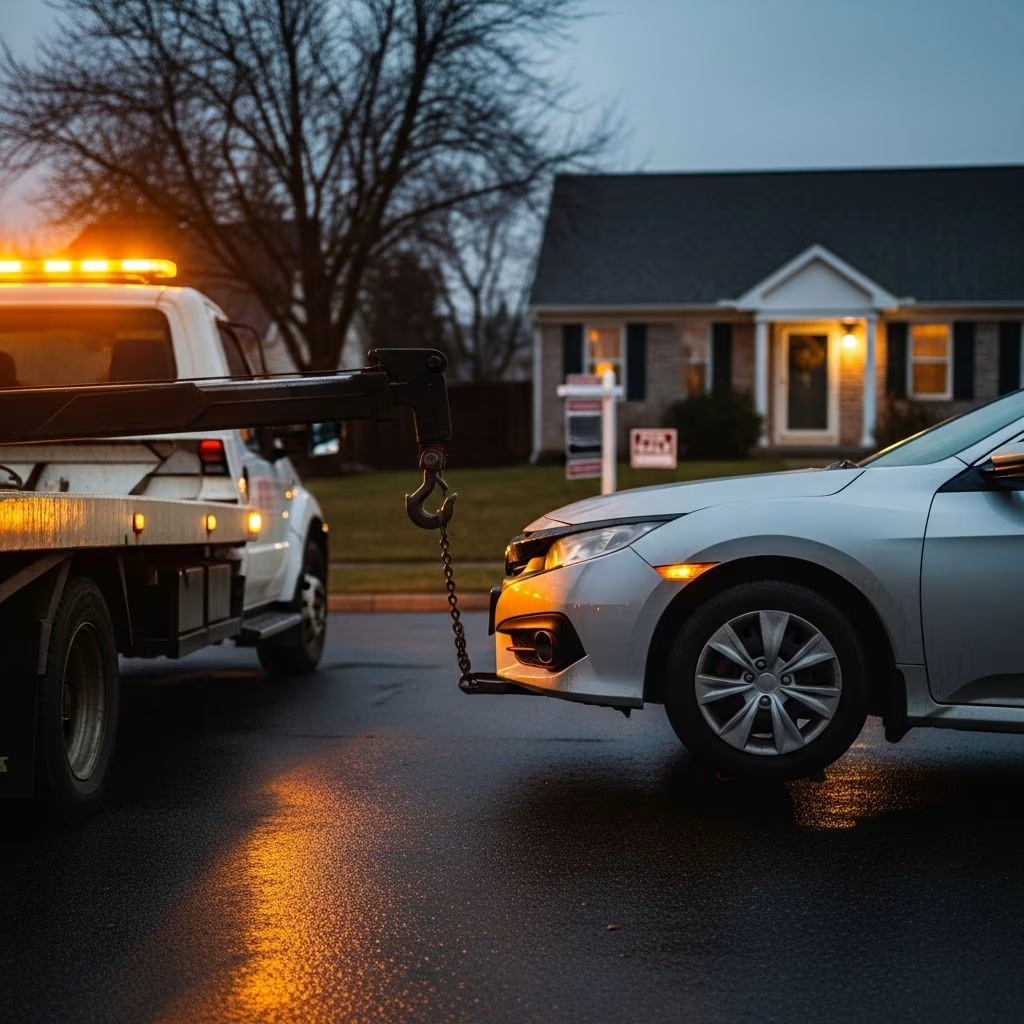
Car repossession occurs when a lender reclaims a vehicle due to missed loan payments, as the car serves as collateral until the debt is fully paid. This process can severely damage your credit and leave you with ongoing financial obligations, but knowing the steps involved empowers you to act proactively.
The Fundamentals of Vehicle Collateral and Default
When financing a car purchase or lease, the vehicle acts as security for the loan, meaning the lender retains ownership rights until you complete payments. Leases function similarly, treating the car as rented property over a fixed term, typically two to four years. Default happens when you violate loan terms, most commonly by missing payments, though contracts specify exact conditions like the number of late payments allowed.
Lenders can initiate repossession soon after default, often without court involvement or prior notice in many states. While some jurisdictions require notification, others permit action as early as one missed payment, though 90 days delinquent is common before seizure.
Step-by-Step Breakdown of the Repossession Timeline
The repossession unfolds in distinct phases, each with opportunities for intervention.
1. Entering Default Status
Missing payments triggers delinquency notices from your lender, escalating with each cycle. Lenders prioritize repeat defaulters, acting faster on second or third delinquencies. Review your loan agreement for default definitions and grace periods.
2. Seizure of the Vehicle
Repo agents, hired by lenders, seize the car from public spaces like driveways or lots without warning. They must avoid “breaching the peace,” prohibiting force, threats, or entry into locked areas like garages. Some states ban starter interrupt devices (kill switches) that remotely disable the vehicle.
3. Post-Seizure Handling and Sale
After towing, the lender notifies you of the sale intent, often via mail. The vehicle is auctioned or sold privately, with proceeds applied to your balance. You’ll owe any deficiency balance—the gap between sale price and total debt, including fees.
| Phase | Typical Timeline | Key Actions |
|---|---|---|
| Default | 30-90 days late | Contact lender for forbearance |
| Seizure | Immediately after default notice | No prior warning required in most states |
| Sale | Days to weeks post-seizure | Receive deficiency notice |
Legal Safeguards During Repossession
Federal and state laws protect consumers. Repossessors cannot damage property, charge for post-seizure insurance, or withhold personal items without cause. Document belongings left in the car and their value before seizure; lenders must allow retrieval without upfront fees.
- Prohibited: Physical force or threats.
- Prohibited: Breach of locked enclosures.
- Required: Return of personal property promptly.
- State-specific: Check attorney general sites for local rules on notice and reinstatement.
Violations? File complaints with state consumer protection offices or the CFPB.
Strategies to Avoid or Halt Repossession
Act early to mitigate damage. Options exist at every stage.
Before Seizure
Negotiate payment plans, deferrals, or refinancing upon delinquency notices. Voluntary surrender—handing over the car proactively—may reduce fees, though credit impact persists.
After Seizure
Reinstatement (curing default) restores the loan by paying arrears, late fees, and repo costs; available in many states.
Redemption requires full loan payoff plus expenses. Or bid at auction to repurchase.
Even without statutory rights, lenders might negotiate modifications.
Financial Fallout: Deficiency Balances Explained
Auctions often yield low prices, creating deficiencies you must pay, potentially via collections. Expect added costs: towing, storage, auction fees. Unpaid deficiencies harm credit further and may lead to lawsuits.
Credit Report Consequences and Recovery
Repossession appears as a derogatory mark, dropping scores by 100+ points and lingering seven years. It signals high risk to future lenders. Rebuilding involves on-time payments elsewhere, low utilization, and possibly secured cards.
Prevention Tips for Long-Term Stability
- Budget rigorously, prioritizing auto payments.
- Build emergency funds covering 3-6 months of expenses.
- Refinance high-rate loans during good credit periods.
- Communicate early with lenders on hardships.
- Consider gap insurance for upside-down loans.
Frequently Asked Questions (FAQs)
Can I get my repossessed car back?
Yes, via reinstatement (pay arrears + fees) or redemption (full payoff), depending on state laws and contract terms.
How long until repossession after missing payments?
Typically 90 days, but as soon as default per contract; varies by state.
Does voluntary repossession hurt credit less?
No, it impacts similarly but may save on fees.
What if I still owe after sale?
Pay the deficiency or face collections/lawsuit.
Can they repo at night or from my garage?
No breaching peace; no locked garage entry without permission.
State Variations in Repossession Rules
Laws differ: some mandate notice, others allow kill switches. Consult your state’s attorney general or legal aid for specifics.
References
- How Does Repossession Work? — Experian. 2023. https://www.experian.com/blogs/ask-experian/how-does-repossession-work/
- How Does Car Repossession Work? — Bankrate. 2023. https://www.bankrate.com/loans/auto-loans/how-does-repossession-work/
- Car Repossession – How it Works & How it Affects Your Credit — Debt.org. 2023. https://www.debt.org/faqs/repossession/
- What happens if my car is repossessed? — Consumer Financial Protection Bureau (CFPB). 2023. https://www.consumerfinance.gov/ask-cfpb/what-happens-if-my-car-is-repossessed-en-865/
- Car Repossession Guide: Timeline & What To Do — Lift and Tow. 2023. https://liftandtow.com/blog/understanding-the-car-repossession-process/
- Vehicle Repossession — Federal Trade Commission (FTC). 2023. https://consumer.ftc.gov/articles/vehicle-repossession
This article is general information, not personal financial advice. Consider your own situation, or speak with a licensed adviser, before acting on it.


