

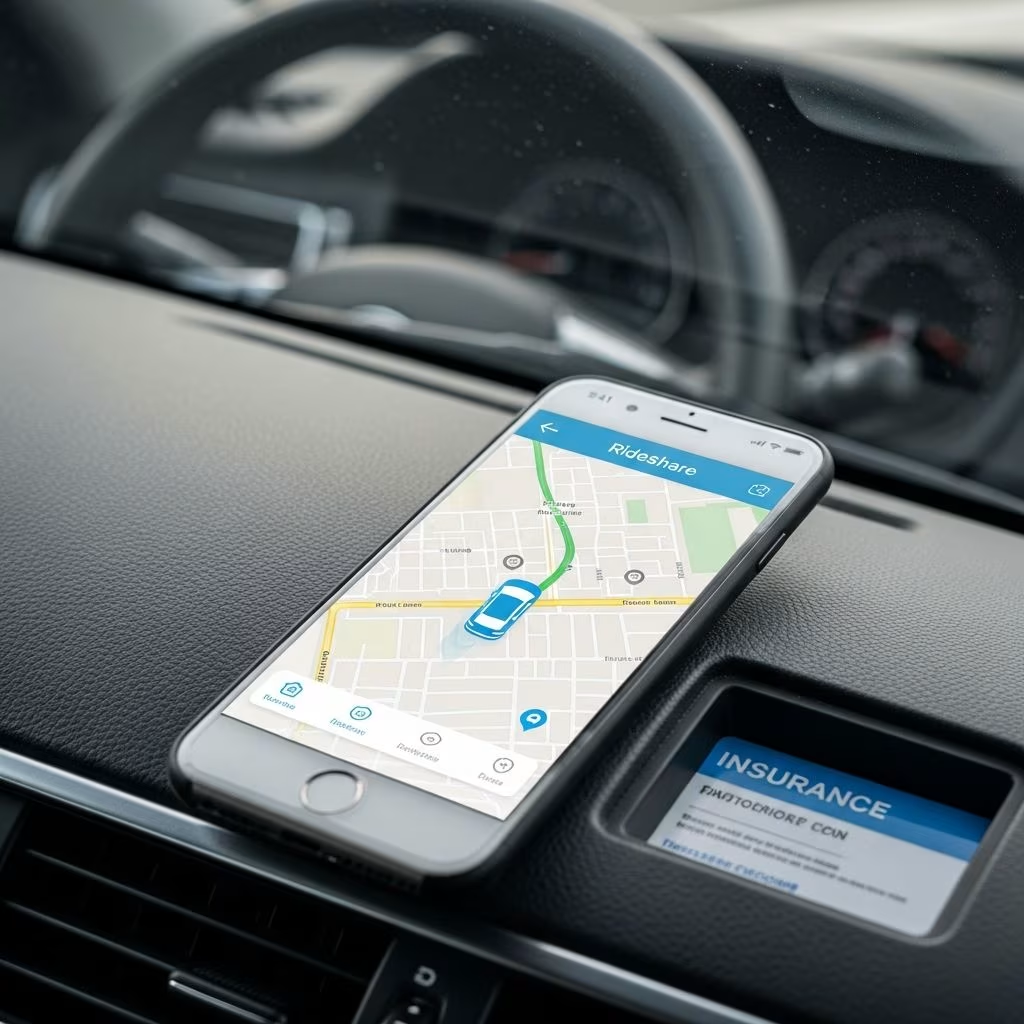
The rise of gig economy platforms has transformed personal vehicles into income-generating assets, but this shift introduces unique insurance challenges. Standard personal auto policies often exclude business use, leaving drivers exposed during rideshare or delivery activities. This guide breaks down coverage needs, identifies gaps, and outlines solutions for comprehensive protection.
Why Gig Drivers Need Specialized Coverage
Driving for platforms like Uber, Lyft, DoorDash, or Instacart reclassifies your vehicle from personal to commercial use. Most insurers explicitly deny claims for accidents occurring while logged into an app or transporting goods/passengers for pay. Without added protection, drivers face repair bills, medical costs, and liability claims out-of-pocket.
Texas Department of Insurance notes that while some policies might cover occasional deliveries if not primary use, ride-sharing demands dedicated coverage due to heightened risks. Gig work increases mileage, accident likelihood, and exposure to strangers or packages, amplifying financial stakes.
Understanding Coverage Periods in Rideshare Work
Rideshare insurance operates across distinct phases, each with varying protections from personal policies, TNC (Transportation Network Company) insurance, or neither. Here’s a breakdown:
- Offline (Period 0): App off, personal errands—fully covered by standard auto policy if it meets state minimums.
- Online, Waiting (Period 1): App on, awaiting requests—no TNC coverage; personal policy often denies claims without rideshare endorsement.
- En Route to Pickup (Period 2): Headed to passenger/food—limited TNC liability kicks in, but gaps persist for your vehicle.
- On-Trip (Period 3): With rider/package—robust TNC coverage up to $1M for third-party liability, plus contingent collision/comprehensive.
This phased approach creates vulnerabilities, especially in Periods 1 and 2, where claims frequently arise.
TNC-Provided Insurance: What’s Included and Limited
Platforms like Uber offer commercial policies, but they’re not all-encompassing. Uber maintains:
- $1M liability for third-party injuries/property when at-fault during on-trip phases.
- Uninsured/underinsured motorist, PIP, and medical payments regardless of fault (en route/on-trip).
- Contingent comprehensive/collision, relying on your personal policy first.
However, no coverage exists offline or purely personal use. State variations apply: California provides Occupational Accident insurance for online waiting periods, covering medical/disability; Washington offers workers’ comp for en route/on-ride injuries. Delivery apps like DoorDash provide minimal Period 1/2 protection, heightening reliance on personal add-ons.
Gaps in Standard Personal Auto Policies
Personal policies cover commuting but exclude “carrying persons for hire.” Logging in signals business intent, voiding coverage. Mercury Insurance highlights the Period 1 gap: app on, no fare accepted—personal claim denied, TNC not yet active. Progressive and State Farm confirm rideshare endorsements are mandatory for their policyholders driving gigs.
| Coverage Type | Personal Policy (No Endorsement) | With Rideshare Endorsement | TNC Contribution (On-Trip) |
|---|---|---|---|
| Liability | Excluded (business use) | Primary up to limits | $1M excess |
| Collision/Comp | Excluded | Responds first | Contingent |
| PIP/Med Pay | Possible exclusion | Included | Added protection |
| UM/UIM | Limited to driver | Extended | Full for all |
This table illustrates why endorsements bridge critical voids.
State-Specific Rules and Requirements
Regulations vary: Texas mandates TNCs carry insurance for driver-fault accidents if personal coverage lapses, but drivers must verify details. Progressive extends rideshare to deliveries in most states, excluding guest passengers from some UM/PIP while waiting. Always review your state’s insurance department guidelines—e.g., TDI advises checking ride-sharing policy disclosures.
Securing Rideshare Endorsements and Policies
Top insurers offer solutions:
- Progressive: Add-on covers waiting periods; applies to deliveries.
- Allstate: Endorsement fills TNC gaps; $1M TNC liability post-deductible.
- Mercury: Targets Period 1 vulnerabilities.
- State Farm: Bridges risks for TNC drivers.
Shop quotes emphasizing your gig frequency. Provide proof of personal minimums to platforms. Costs rise with usage but prevent thousands in potential losses.
Delivery-Only Insurance Considerations
Food/package drivers face similar issues: DoorDash skips Period 1/2 coverage; Uber Eats aligns with rideshare phases. Some personal policies tolerate minor deliveries, but frequent use triggers exclusions. Opt for hybrid policies covering both passenger and goods transport.
Risks of Skipping Rideshare Coverage
Unprotected drivers risk claim denials, policy cancellation, or lawsuits. Rising repair/medical costs amplify dangers— one accident can exceed $50K. TNC insurance doesn’t cover your vehicle fully, leaving deductibles or totals on you.
Steps to Get Properly Insured
- Assess your platform(s) and state laws.
- Contact your insurer about rideshare add-ons.
- Compare quotes from Progressive, Allstate, etc.
- Upload proof to app; maintain minimum liability.
- Review annually as mileage/gig hours change.
FAQs
Does my personal insurance cover Uber Eats deliveries?
In most cases, no—add rideshare endorsement for protection during app use.
What happens if I’m in Period 1 and crash?
Personal policy likely denies; TNC doesn’t cover—rideshare insurance fills this.
Is Uber’s insurance enough?
No, it supplements; you need personal base + endorsement for full gaps.
How much does rideshare insurance cost?
Varies by insurer/state; expect 20-50% premium hike based on usage.
Does it cover food delivery like DoorDash?
Yes, in most states with Progressive-style add-ons.
Conclusion: Drive Confidently, Stay Covered
Gig driving offers flexibility but demands proactive insurance. Layer personal endorsements over TNC policies to eliminate gaps. Consult agents and state resources for tailored protection—your livelihood depends on it.
References
- Insurance for Rideshare and Delivery Drivers — Uber. 2026. https://www.uber.com/us/en/drive/insurance/
- What Is Rideshare Auto Insurance, And Do I Need It? — Mercury Insurance. 2026. https://www.mercuryinsurance.com/resources/auto/ride-sharing-insurance-coverage.html
- Rideshare/Food Delivery Insurance — Rollo Insurance. 2026. https://rolloinsurance.com/auto-insurance/rideshare-food-delivery/
- Texas Rideshare Insurance for Drivers — TGS Insurance Agency. 2026. https://tgsinsurance.com/texas-rideshare-insurance/
- Rideshare Insurance Coverage — Progressive. 2026. https://www.progressive.com/auto/insurance-coverages/rideshare/
- Ride sharing: 3 questions to ask — Texas Department of Insurance. 2026. https://www.tdi.texas.gov/tips/ride-sharing.html
- Rideshare Insurance: What To Know — State Farm. 2026. https://www.statefarm.com/simple-insights/auto-and-vehicles/rideshare-insurance-what-to-know
This article is general information, not personal financial advice. Consider your own situation, or speak with a licensed adviser, before acting on it.


