

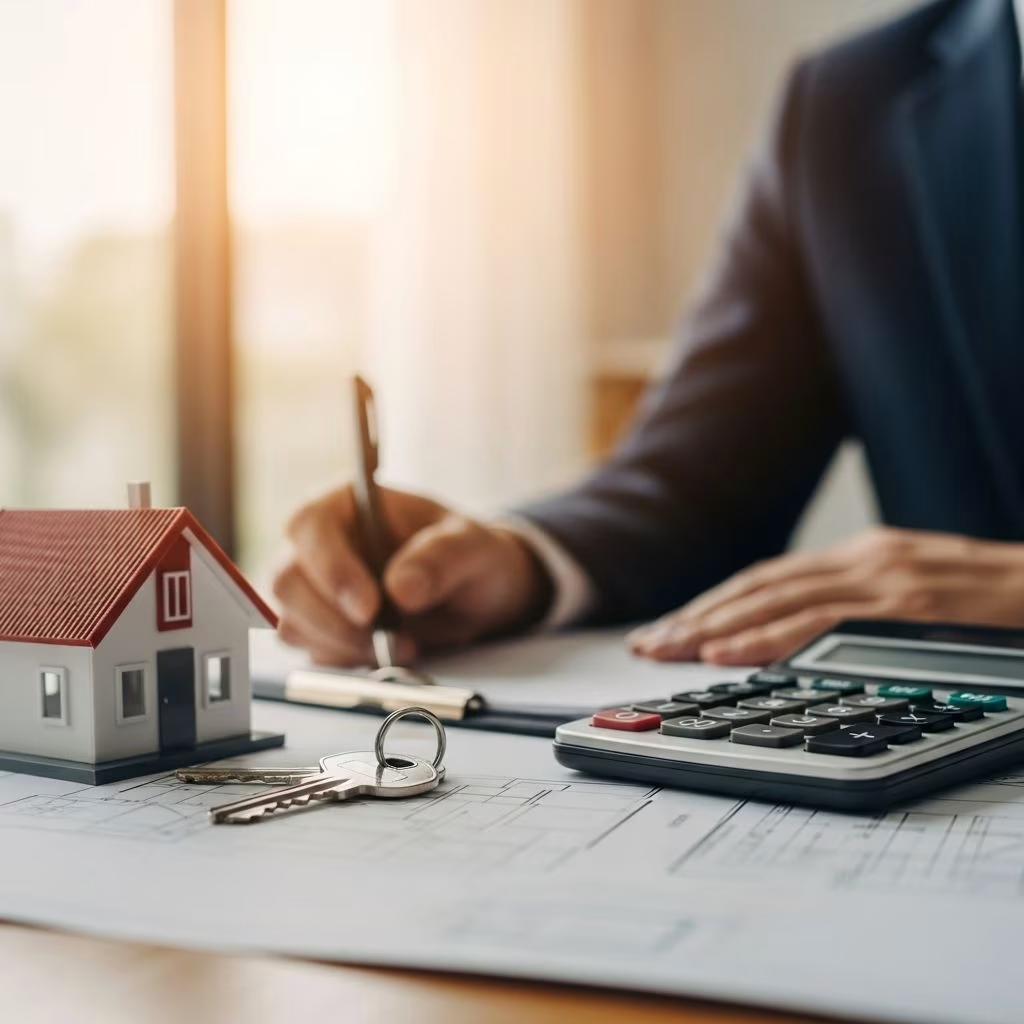
Purchasing a home marks a major milestone, blending excitement with the need for careful evaluation. Beyond aesthetics, buyers must scrutinize financial readiness, property integrity, and surrounding environment to avoid costly oversights. This guide outlines pivotal aspects to examine, drawing from established practices in real estate.
Assessing Your Financial Foundation
Strong finances form the bedrock of successful home ownership. Begin by reviewing your **credit profile**, as lenders scrutinize scores from major bureaus to determine eligibility and rates. A higher score, ideally above 700, unlocks better terms; even modest improvements like 20-30 points can yield substantial savings over a loan’s lifespan.
Gather essential documents early: two years of tax returns, recent pay stubs, W-2s, and bank statements. These verify income stability and reserves for down payments, typically 3-20% of purchase price, plus closing costs averaging 2-5%. Calculate affordability by factoring monthly obligations—aim for housing under 30% of income, including taxes, insurance, and maintenance.
| Financial Element | Target Benchmark | Why It Matters |
|---|---|---|
| Credit Score | 700+ | Lower interest rates, higher approval odds |
| Debt-to-Income Ratio | <43% | Proves repayment capacity |
| Down Payment | 10%+ for first-timers | Reduces loan amount, avoids PMI |
| Reserves | 3-6 months expenses | Covers emergencies post-purchase |
Consult a lender for pre-approval, which signals seriousness to sellers and clarifies your budget in competitive markets.
Defining Your Property Priorities
Clarify needs versus wants to streamline the search. **Must-haves** include bedroom count, bathroom access, square footage, and location within commute tolerance. Nice-to-haves like updated kitchens or pools enhance appeal but shouldn’t derail deals.
- Location: Proximity to work, schools, and amenities affects daily life and resale value.
- Size and Layout: Ensure adequate space for current and future household needs.
- Property Type: Single-family, condo, or townhome based on maintenance preferences.
Prioritize homes matching 80% of criteria to avoid compromise fatigue. Use checklists during viewings to note layout flow, storage, and natural light.
Evaluating Structural and System Integrity
A professional **home inspection** uncovers hidden issues. Inspectors assess foundation, roof (lifespan 20-30 years), electrical wiring, plumbing, HVAC systems, and exteriors for cracks or water damage. Budget $300-500; negotiate repairs or credits post-report.
Appraisal, required by lenders, confirms market value against purchase price, preventing overpayment. Walkthroughs verify fixes before closing. Common red flags:
- Roof leaks or missing shingles.
- Outdated electrical panels risking fires.
- Mold or pest infestations.
- Foundation settling causing cracks.
Analyzing Neighborhood Dynamics
Zoom out to the community. Research **school ratings**, crime stats via local police sites, and future developments impacting value. Walkability scores, parks, and shops boost livability; check flood zones and noise from highways.
Resale potential hinges on demand—suburbs like those near growing job hubs often appreciate steadily. Engage locals or agents for vibe insights.
Navigating the Mortgage Maze
Understand loan types: conventional (620+ score, 3% down), FHA (580+, 3.5% down), VA (no down for veterans). Fixed rates shield against hikes; compare via multiple lenders. Factor property taxes (1-2% annually), insurance ($1,200/year average), and HOA fees.
Underwriting reviews income, assets, credit, appraisal, and title search for liens. Prepare for requests like gift letters for down payment aid. Closing spans 45-90 days; budget extra for delays.
Market Timing and Competition Strategies
In 2026, expect affordability focus, data-driven pricing, and pre-approval emphasis. First-time buyers face 10% down payments, highest since 1989—start saving now. Competitive bids demand clean offers; waive contingencies cautiously.
Quarterly prep: Q1 credit boost, Q2 debt reduction, Q3 pre-approval, Q4 tours.
Legal and Title Considerations
Title searches ensure clear ownership; insurance protects against disputes. Review HOA rules, easements, and zoning. Attorney review in some states adds safeguards.
Post-Purchase Planning
Budget 1-2% of value yearly for maintenance. Build reserves for surprises like roof replacements ($10k+). Home warranties cover appliances.
Frequently Asked Questions
What credit score do I need?
Minimum 620 for most loans; 740+ secures best rates.
How much down payment?
3-20%; 10% common for first-timers in 2026.
Is home inspection mandatory?
Not by lenders, but essential for condition awareness.
How long to close?
45-90 days typically.
Can I buy without agent?
Yes, but agents negotiate better and spot issues.
References
- Home Buying Checklist 2026: What To Do Now to Buy with Confidence Next Year — HAR.com. 2025. https://www.har.com/blog_140524_home-buying-checklist-2026-what-to-do-now-to-buy-with-confidence-next-year
- Buying a Home in 2026: A Complete Checklist to Prepare Before Making a Move — RarityRE. 2025. https://rarityre.com/blog/buying-a-home-in-2026-a-complete-checklist-to-prepare-before-making-a-move
- Your Complete Home Buying Checklist for Essential Steps From Preapproval to Closing Day — Amerisave. 2025. https://www.amerisave.com/learn/your-complete-home-buying-checklist-for-essential-steps-from-preapproval-to-closing-day
- How to buy a house: Your step-by-step guide to buying in 2026 — Rocket Mortgage. 2025. https://www.rocketmortgage.com/learn/how-to-buy-a-house
- Buying a Home in 2026: How to Prepare as a Buyer — Nextar Homes. 2025. https://www.nextarhomes.com/blog/your-2026-guide-to-buying-a-new-home
This article is general information, not personal financial advice. Consider your own situation, or speak with a licensed adviser, before acting on it.


