

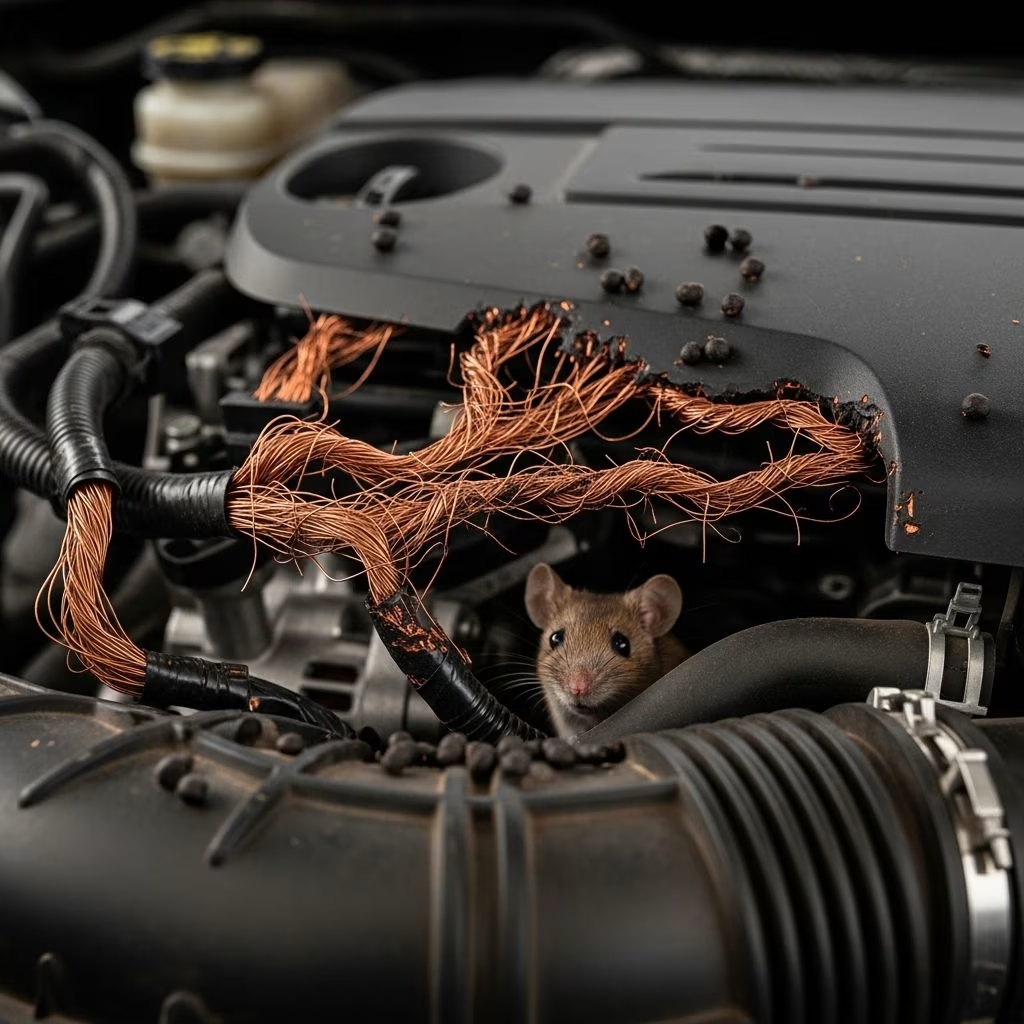
Rodents such as mice, rats, squirrels, and chipmunks pose a hidden threat to vehicles, often gnawing on vital components when cars sit idle. Comprehensive car insurance typically covers these incidents, paying for repairs after the deductible, but exclusions apply in certain scenarios.
Understanding Rodent Infestations on Vehicles
These pests are drawn to cars parked in garages, driveways, or rural areas, seeking warmth, food crumbs, or nesting spots. During colder months, they infiltrate engine bays and interiors, causing widespread havoc. Electrical wiring becomes a prime target due to its soy-based coating, which mimics a food source. Hoses, belts, and upholstery also suffer, leading to malfunctions like starting failures, fluid leaks, or dashboard warnings.
Incidents surge in fall and winter as rodents prepare for hibernation. Urban and suburban drivers report increased cases, with some insurers noting that animal-related claims represent a notable portion of comprehensive filings—around 25% in some analyses.
The Role of Comprehensive Coverage in Protection
Comprehensive insurance safeguards against non-collision events beyond driver control, including theft, weather perils, vandalism, and animal interference. Rodent chewing qualifies as it stems from unforeseen pest activity rather than an accident.
Under this coverage, insurers reimburse repair or replacement costs for affected parts, minus your deductible—often $500 to $1,000. For instance, rewiring an engine harness might cost $1,000-$3,000, while full HVAC overhauls or interior fixes can exceed $5,000. Severe cases involving engine swaps reach $15,000-$25,000, depending on the model.
| Damage Type | Typical Repair Cost | Coverage Notes |
|---|---|---|
| Chewed Wiring | $200-$3,000 | Most common; covers harnesses and sensors |
| Hose/Fluid Line Damage | $500-$2,500 | Includes leaks and secondary fixes |
| Interior/Nesting | $800-$5,000 | Upholstery and cleanup; odors may add costs |
| Engine Bay Blockage | $1,000-$10,000 | Debris removal and part replacements |
Scenarios Where Coverage Falls Short
Not all policies include comprehensive, and even those that do have limits. Liability-only or collision-only plans exclude rodent issues, as they focus on at-fault crashes or third-party damages.
- No Comprehensive Policy: Basic state-minimum coverage skips this protection, leaving owners fully responsible.
- Post-Incident Addition: Damage predating coverage activation isn’t eligible.
- Chronic Infestations: Evidence of prolonged occupancy—like extensive nests, odors, or repeated damage—may classify it as neglect, triggering denial. Insurers inspect for signs of ongoing issues versus sudden events.
- Contents Exclusion: Personal items inside the car, such as electronics, require separate homeowners’ policies.
Adjusters verify causes during claims, photographing bite marks, droppings, and nests to confirm rodent origin over wear-and-tear.
Filing a Successful Rodent Damage Claim
Act promptly to preserve evidence and minimize further harm. Steps include:
- Inspect and Document: Check under the hood, cabin, and trunk. Photograph all damage, droppings, nests, and chew marks from multiple angles.
- Secure the Vehicle: Tape openings, use repellents, or park elsewhere to halt progression.
- Get Estimates: Visit a trusted mechanic for a detailed appraisal, noting affected parts and labor.
- Contact Insurer: Report via app, phone, or agent, providing photos and estimates. Expect an adjuster visit.
- Review Deductible: If repairs barely exceed it, self-pay to avoid premium hikes—claims can increase rates 10-20%.
Approval hinges on proof of sudden damage. Successful claims often yield full reimbursement post-deductible, up to policy limits.
Preventive Measures to Deter Pests
Proactive steps reduce risk and claim needs:
- Seal Entry Points: Inspect and cap hood gaps, vents, and doors with steel wool or mesh.
- Repellents: Apply peppermint oil, mothballs, or commercial sprays to engine areas; ultrasonic devices offer tech-based deterrence.
- Habitat Control: Clear yard debris, secure trash, and trim vegetation near parking spots.
- Regular Checks: Weekly hood lifts reveal early signs like droppings.
- Professional Help: Pest control services target home infestations spilling to vehicles.
Some drivers use Irish Spring soap shavings or dryer sheets, though efficacy varies. Combining methods yields best results.
Financial Implications and Cost Comparisons
Rodent repairs strain budgets without coverage. Minor fixes average $200-$800, but wiring or fuel system overhauls hit $2,000-$10,000. Luxury vehicles amplify costs due to specialized parts.
Comprehensive adds $150-$500 annually to premiums, often justified by potential savings. Compare:
| Scenario | With Comprehensive | Without |
|---|---|---|
| Minor Wiring ($1,500) | $500 deductible + premium bump | $1,500 out-of-pocket |
| Major Engine ($8,000) | $1,000 deductible | $8,000 out-of-pocket |
Shop policies for competitive rates; bundling with home insurance cuts costs.
Regional and Seasonal Trends
Claims peak in rodent-active seasons, varying by location. Rural areas see more squirrels and chipmunks; cities face rat issues. States like California and New York report high volumes due to dense populations.
Climate influences: Mild winters extend activity periods. Insurers in pest-prone zones may offer tailored endorsements.
FAQs
Does liability insurance cover rodent damage?
No, liability handles damages you cause others; rodent issues need comprehensive.
How much does rodent repair cost on average?
Ranges from $200 for small fixes to $10,000+ for extensive wiring or engine work.
Will a rodent claim raise my premiums?
Possibly 10-20%, similar to other comprehensive claims; minor ones may not impact.
Can I prevent rodents without insurance?
Yes, via repellents, seals, and yard maintenance—reducing claim likelihood.
What if damage occurred before adding coverage?
Not covered; policy must be active at incident time.
References
- Does Car Insurance Cover Rodent Damage? — LA Insurance. 2023. https://lainsurance.com/blog/does-car-insurance-cover-rodent-damage
- Does Car Insurance Cover Rodent Damage? Claims Guide — Insure on the Spot. 2023. https://www.insureonthespot.com/car-insurance-cover-rodent-damage/
- Does Car Insurance Cover Rodent Damage? When It Does & Doesn’t — GEICO. 2025-03-15. https://www.geico.com/information/aboutinsurance/auto/does-car-insurance-cover-rodent-damage/
- Does Car Insurance Cover Rodent Damage? – Experian — Experian. 2024. https://www.experian.com/blogs/ask-experian/does-car-insurance-cover-rodent-damage/
- Does Car Insurance Cover Rodents Chewing Wires? — AutoInsurance.com. 2024. https://www.autoinsurance.com/faqs/does-car-insurance-cover-rodents-chewing-wires/
This article is general information, not personal financial advice. Consider your own situation, or speak with a licensed adviser, before acting on it.


