

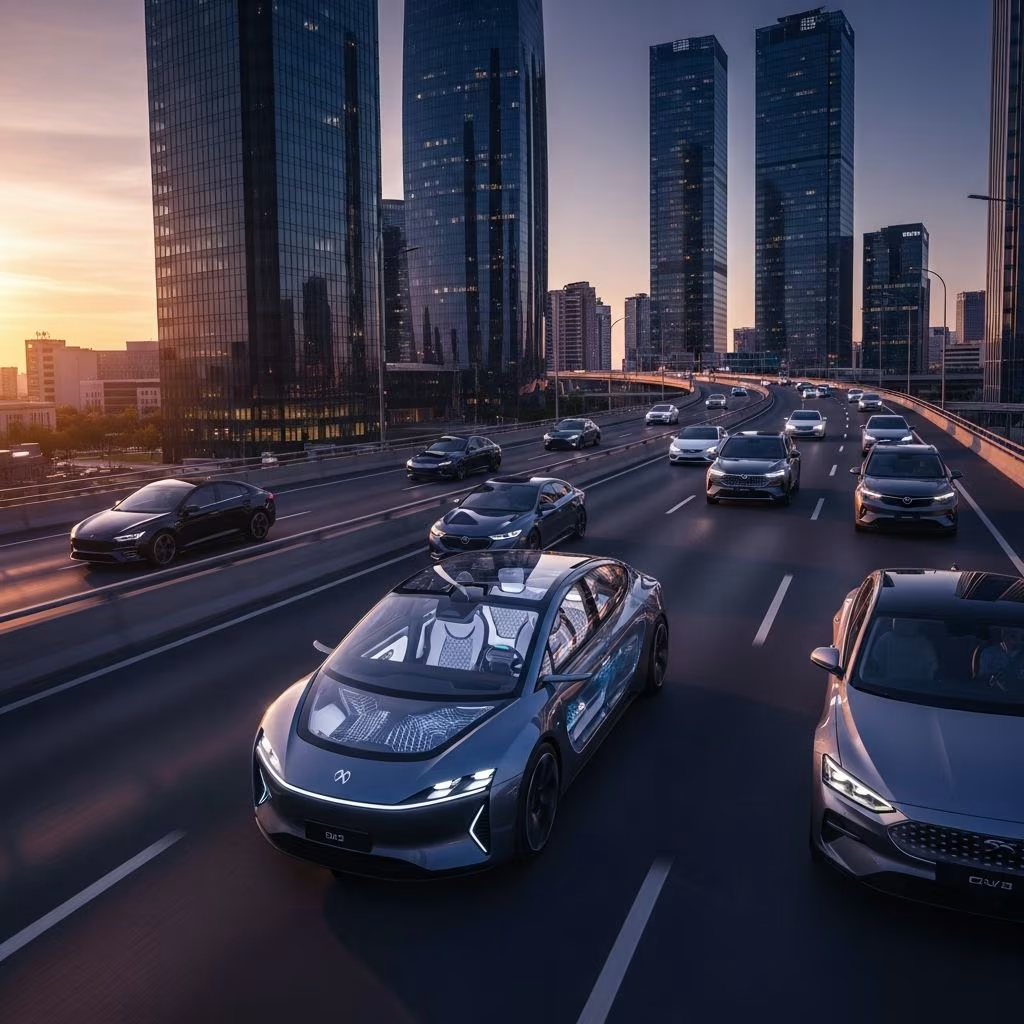
The electric vehicle sector is experiencing transformative growth in 2026, with battery electric vehicles (BEVs) spearheading sales increases worldwide. Global EV registrations are projected to climb steadily, fueled by declining battery costs, expanded charging networks, and diverse model lineups catering to varied consumer needs.
Global Surge in EV Adoption
Entering 2026, the EV market reflects a maturing landscape where policy incentives, trade dynamics, and infrastructure developments dictate regional trajectories. Worldwide, EV sales reached approximately 20.7 million units in 2025, marking a 20% rise from prior years, with battery electrics comprising the bulk of demand. Projections indicate EVs will capture 27.5% of global light-vehicle sales by 2026, escalating to over 83% by 2040.
China maintains its position as the unrivaled leader, propelled by domestic giants like BYD, whose affordable, integrated production models dominate. In contrast, North America and Europe navigate subsidy fluctuations and tariff pressures, yet EV penetration continues upward. Key drivers include enhanced range capabilities—many models now rival internal combustion engine (ICE) vehicles—and accelerating public charging deployments.
Regional Market Breakdown
China’s Unmatched Momentum
China’s EV ecosystem thrives on scale and aggressive pricing, with sales nearing 13 million units annually. Vertically integrated firms leverage local supply chains for cost advantages, setting global benchmarks.
United States: Policy-Driven Fluctuations
In the U.S., EV market share hovers between 7.5% and 11% in 2025, projected to reach 12.8% in North America overall. Federal tax credits, state rebates, and fuel price volatility influence buyer decisions, though early 2026 data shows some softening amid subsidy uncertainties.
Europe and Emerging Markets
Europe sees moderate expansion, with countries like Norway achieving near-100% EV shares in peak months. Plug-in hybrids bridge gaps in less-developed infrastructure zones.
Standout Models Leading the Charge
Several EVs emerge as frontrunners in 2026, blending performance, affordability, and practicality. These vehicles top registration charts due to their proven reliability and broad appeal.
- Tesla Model Y: Continues as a crossover favorite with superior range and autopilot features, dominating U.S. and global sales.
- Tesla Model 3: Sedan efficiency leader, appealing to budget-conscious buyers with rapid charging compatibility.
- BYD Models: Affordable options like the Seagull and Song series flood markets, especially in Asia, undercutting competitors on price.
- Ford Mustang Mach-E: SUV blending sporty handling and family utility, strong in North America.
- Hyundai Ioniq 5: Stylish fast-charger with expansive interior, gaining traction in Europe and the U.S.
These models benefit from off-lease returns, boosting used inventory and accessibility.
Technology and Infrastructure Boosting Popularity
Advancements in battery tech, including higher energy density, extend ranges beyond 300 miles for many flagships. Solid-state batteries loom on the horizon, promising even greater efficiencies. Charging networks expand rapidly: Level 2 home units proliferate in suburbs, while public fast-chargers alleviate range anxiety. Battery demand surges past 1 TWh in 2025, supporting smaller, cheaper EVs.
| Model | Est. Range (miles) | Price Range (USD) | Key Market |
|---|---|---|---|
| Tesla Model Y | 330 | 45,000-60,000 | Global |
| BYD Seagull | 250 | 10,000-15,000 | China |
| Ford Mach-E | 300 | 40,000-55,000 | US |
| Hyundai Ioniq 5 | 303 | 42,000-55,000 | Europe/US |
| Tesla Model 3 | 358 | 40,000-50,000 | Global |
Factors Shaping Buyer Choices
Consumers prioritize total ownership costs, where EVs often undercut ICE vehicles via lower fuel and maintenance expenses. Incentives remain pivotal, though 2026 introduces policy sensitivities like potential U.S. tariff hikes. Used EV values stabilize as leases mature, offering entry points under $30,000.
Challenges persist: Fleet penetration lags sales growth, with EVs comprising half the global fleet only by the 2040s. Political headwinds in the U.S. contrast global surges, underscoring the need for domestic infrastructure investment.
Future Outlook for EV Leaders
2026 heralds disciplined production and wider model variety, with over 22 new launches refining options. BMW’s iX5, slated for 2027 U.S. debut, previews next-gen batteries. Hybrids serve as bridges, but BEVs lead the charge toward 90 million annual sales by 2040.
Frequently Asked Questions
What are the top-selling EVs in 2026?
Tesla Model Y and Model 3, alongside BYD’s affordable lineup, lead global registrations.
Is 2026 a good time to buy an EV?
Yes, with falling used prices, expanding chargers, and incentives making them competitive.
How does China compare to the U.S. in EV sales?
China outsells North America entirely, driven by policy and scale.
What impacts EV growth in 2026?
Policy shifts, tariffs, infrastructure, and battery costs are key influencers.
Will EV sales continue rising?
Forecasts predict steady gains to 27.5% market share in 2026.
References
- Electric Vehicle Forecast 2026: Global Growth, Policy Shifts, and Industry Outlook — EV-Lectron. 2026. https://ev-lectron.com/blogs/blog/electric-vehicle-forecast-2025-global-growth-policy-shifts-and-industry-outlook-leading-to-2026
- Global EV Outlook – December 2025 Update — EV Volumes. 2025-12. https://ev-volumes.com
- What to know about the 2026 electric vehicle market — Fresh Energy. 2026. https://fresh-energy.org/what-to-know-about-the-2026-electric-vehicle-market
- Why 2026 Could Be a Breakout Year for Used EV Value — GreenCars. 2026. https://www.greencars.com/news/why-2026-could-be-a-breakout-year-for-used-ev-value
- Electric vehicle sales are plummeting. Will they soon become too… — ABC News. 2026. https://abcnews.com/Business/electric-vehicle-sales-plummeting-become-niche/story?id=130752429
- Future EVs: Every Electric Vehicle Coming Soon — Car and Driver. 2026. https://www.caranddriver.com/news/g29994375/future-electric-cars-trucks/
This article is general information, not personal financial advice. Consider your own situation, or speak with a licensed adviser, before acting on it.


