

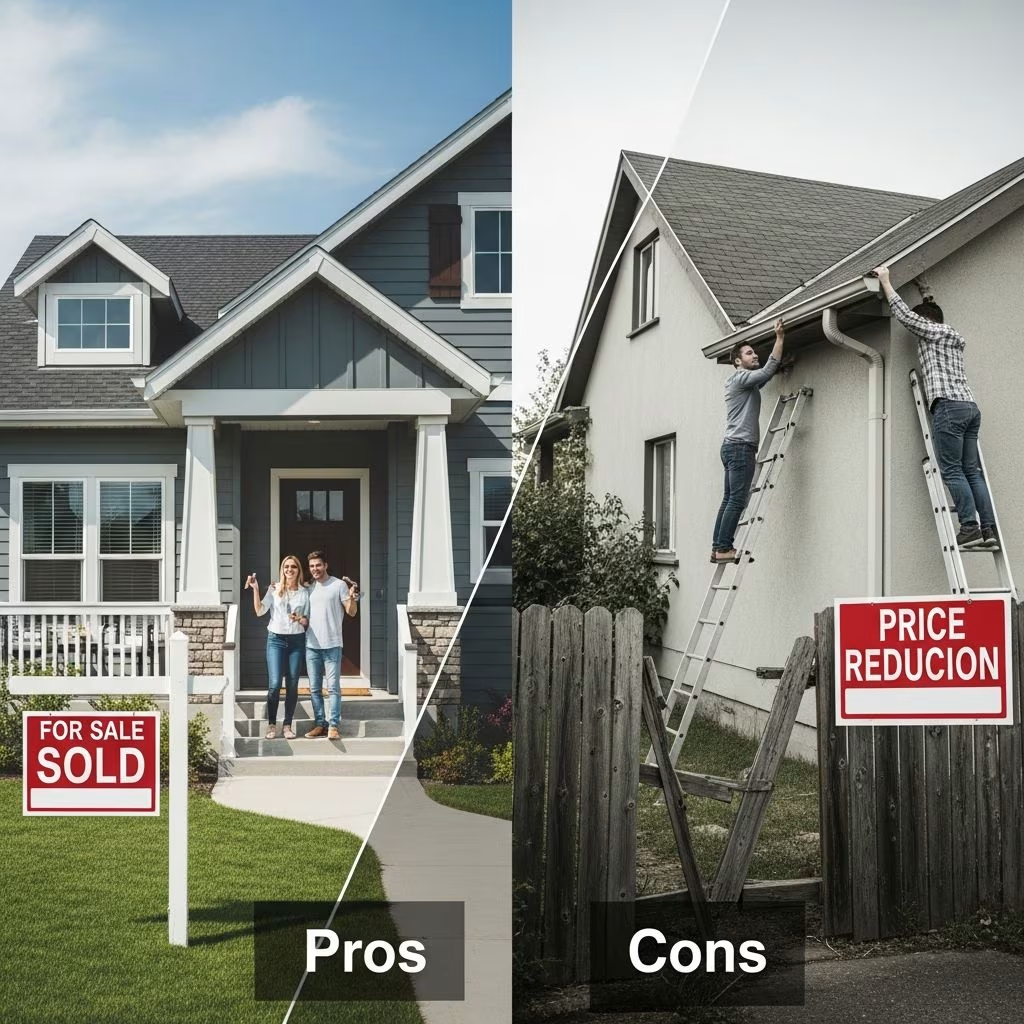
Homeownership represents a major milestone for many, offering potential for long-term wealth accumulation while demanding significant commitment. As the housing market evolves into 2026 with improving affordability and more balanced inventory, understanding the full spectrum of advantages and disadvantages becomes crucial for prospective buyers.
Key Advantages of Purchasing a Residence
Owning a property provides several compelling benefits that extend beyond mere shelter, influencing financial health, lifestyle, and legacy planning.
Establishing Long-Term Wealth Through Equity
One of the primary appeals of buying is the opportunity to build equity. Each mortgage payment chips away at the principal, gradually increasing your ownership stake. Unlike rent, which offers no return, this process can lead to substantial net worth growth over time, especially in markets with modest appreciation around 2-3% annually.
- Equity acts as a forced savings mechanism, compelling consistent investment in your asset.
- In a stable market like 2026’s projected balanced conditions, homeowners often see their asset value rise alongside income growth, enhancing purchasing power.
- Historical data shows homeowners accumulating significantly more wealth than renters over decades.
Stability and Personalization Opportunities
Homeowners enjoy the freedom to customize their living space without landlord approval. From painting walls to major renovations, this autonomy fosters a sense of true belonging. Moreover, ownership provides predictability in housing costs after the mortgage is paid off, shielding against rent hikes that have no cap.
- No threat of eviction or lease non-renewal disrupts life plans.
- Ideal for families seeking consistent neighborhoods and schools.
- Customization boosts property value and personal satisfaction.
Financial Incentives and Tax Relief
Government policies often favor owners through deductions on mortgage interest and property taxes, reducing taxable income. In some cases, benefits extend to energy-efficient upgrades, aligning with 2026 buyer preferences for sustainable features like EV-ready garages and low-utility designs.
| Tax Benefit | Description | Potential Savings |
|---|---|---|
| Mortgage Interest Deduction | Deduct interest paid in early loan years | Thousands annually for qualifying homeowners |
| Property Tax Deduction | Portion of local taxes deductible | Up to $10,000 cap for many filers |
| Energy Credits | For green improvements | 30% of costs, capped per item |
Significant Drawbacks to Consider
While rewarding, homeownership carries risks and responsibilities that can strain finances and flexibility, particularly in volatile markets.
Upfront and Ongoing Financial Burdens
The initial costs alone—down payment, closing fees, inspections—can exceed 5-10% of the home price. Monthly expenses compound with principal, interest, taxes, insurance (PITI), and maintenance, often totaling more than equivalent rent in high-cost areas.
- Down payments typically range from 3-20%, locking up savings.
- Unexpected repairs, like roof replacements, add thousands without warning.
- 2026 projections show monthly payments easing slightly due to lower rates, but affordability remains challenged by 2% price growth.
Limited Mobility and Market Exposure
Selling a home involves agent fees (5-6%), staging, and timing the market, potentially leading to losses if prices dip. Short-term owners risk negative equity if values fall, a concern even in optimistic 2026 forecasts emphasizing regional variations.
For those with unstable jobs or plans to relocate within 5-7 years, renting preserves flexibility without transaction costs.
Maintenance Responsibilities and Liabilities
You’re solely accountable for all upkeep, from plumbing to landscaping. Neglect can erode value, and liabilities like injuries on the property fall on you, unlike rentals where landlords handle these.
| Expense Type | Average Annual Cost | Owner vs Renter |
|---|---|---|
| Maintenance/Repairs | $5,000+ | Fully on owner |
| Insurance | $1,500-$3,000 | Owner required |
| Taxes | 1-2% of value | Owner pays directly |
Comparing Ownership to Renting in 2026
The rental versus buy debate hinges on personal circumstances. With 2026 bringing more inventory, lower rates, and affordability gains, buying appeals more, but renting suits transient lifestyles.
- Buy if: You plan 7+ years residency, have stable income, and seek wealth-building.
- Rent if: Flexibility needed, high upfront costs prohibitive, or market uncertain locally.
- Economists note 2026 as a rebalancing year, with sales rising from recent lows due to Fed easing and construction upticks.
Navigating the 2026 Housing Landscape
Market dynamics favor cautious optimism: inventory rises modestly, prices grow slowly, and rates decline, offsetting costs. Buyers prioritize sustainability amid climate concerns, while zoning reforms could boost affordable options like townhomes.
Regional differences persist—some areas competitive, others softening. Assess local trends, personal stability, and long-term goals before deciding.
Frequently Asked Questions
Is 2026 a good time to buy a home?
Yes, for stable buyers, as affordability improves with lower payments and more choices, though location matters.
How much should I save for a down payment?
Aim for
This article is general information, not personal financial advice. Consider your own situation, or speak with a licensed adviser, before acting on it.


