

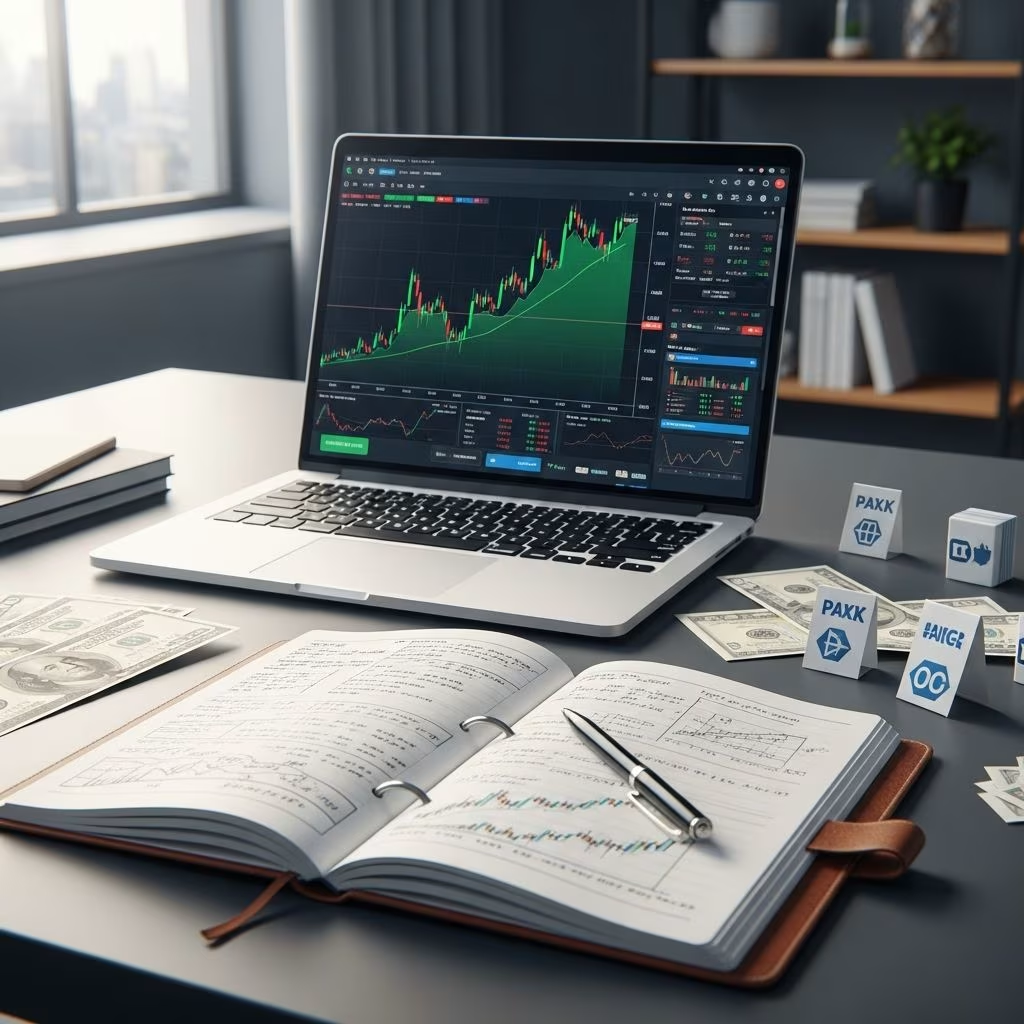
Understanding Paper Trading
Paper trading, also known as virtual trading or simulated trading, is a practice method that allows investors and traders to execute trades in a simulated market environment without using real money. This powerful educational tool replicates actual market conditions while eliminating financial risk, making it an invaluable resource for both novice and experienced traders looking to refine their strategies.
The concept of paper trading dates back decades, but it has evolved significantly with technological advancement. What once involved manual record-keeping on paper has transformed into sophisticated digital platforms that provide real-time market data and execution capabilities nearly identical to live trading environments.
What Is Paper Trading?
Paper trading is a simulated trading platform where users receive a virtual account balance to practice making investment decisions. The platform tracks all transactions, profits, and losses in a fictional portfolio, allowing traders to experience the psychological and practical aspects of trading without risking actual capital. Most paper trading platforms operate on real market data, meaning prices and market movements reflect actual market conditions.
How Paper Trading Works
When you begin paper trading, you typically receive a virtual cash balance—often ranging from $10,000 to $100,000 in simulated funds. You then use this virtual money to buy and sell stocks, options, forex, commodities, or other securities through the platform. Every transaction is recorded, and your portfolio value updates in real time based on actual market prices. This creates an authentic trading experience where you learn how markets respond to economic events, news releases, and technical indicators.
Key Benefits of Paper Trading
Risk-Free Learning Environment
The primary advantage of paper trading is the elimination of financial risk. New investors can make mistakes, test failed strategies, and experience losses without losing their hard-earned money. This psychological freedom allows traders to focus on learning market mechanics and developing sound trading principles rather than worrying about account depletion.
Strategy Development and Testing
Paper trading provides an ideal platform for developing and testing investment strategies before deploying real capital. Traders can backtest new ideas, test different entry and exit points, and evaluate risk management techniques. This experimentation phase helps identify which strategies work best under various market conditions.
Confidence Building
By practicing in a simulated environment, traders build confidence in their decision-making abilities. Consistent successful trading in a paper account demonstrates that a trader understands market dynamics and can execute a coherent plan, which translates to improved psychological readiness for real trading.
Real Market Conditions
Most paper trading platforms use live market data, meaning you experience genuine price movements, market volatility, and real trading hours. This authenticity helps traders understand how markets actually behave rather than how they theoretically should behave.
No Time Pressure
Unlike live trading where real money is at stake, paper trading allows you to take time to make decisions. You can pause, research, and thoroughly analyze opportunities without the emotional pressure of financial consequences.
Limitations and Challenges of Paper Trading
Psychological Differences
Despite simulating real market conditions, paper trading lacks the psychological intensity of risking actual money. Research consistently shows that trader behavior changes dramatically when real capital is involved. Fear and greed—powerful emotions that influence trading decisions—operate differently in paper trading environments.
Execution Challenges
In real trading, orders may not execute at the requested price, particularly during volatile market conditions or with illiquid securities. Paper trading often assumes perfect execution, which doesn’t reflect the slippage and gaps that occur in actual trading. This gap between simulated and real execution can lead to unexpected losses when transitioning to live trading.
Limited Market Coverage
While comprehensive, most paper trading platforms don’t cover every security available in actual markets. Certain penny stocks, international securities, or newly issued instruments may not be available for paper trading practice.
No Commissions and Fees
Most paper trading platforms don’t charge commissions or fees, which means your simulated results won’t reflect the real costs of trading. In actual trading, commissions and fees can significantly impact returns, especially for frequent traders.
Unlimited Capital
Paper trading accounts typically don’t run out of funds, which can encourage poor risk management. In real trading, limited capital forces traders to make difficult choices about position sizing and risk allocation. This fundamental difference can lead to unrealistic trading behavior in simulated environments.
Best Practices for Paper Trading
Treat It Like Real Money
To maximize learning value, approach paper trading as if the virtual funds were real. Maintain the same discipline, risk management principles, and emotional control you would apply to live trading. This mindset ensures that lessons learned transfer effectively to real trading scenarios.
Set Clear Goals
Define specific objectives for your paper trading period. Are you learning a particular strategy? Building general market knowledge? Testing a specific asset class? Clear goals help you focus your efforts and measure progress objectively.
Track and Journal Trades
Maintain detailed records of every trade, including the reasoning behind entry and exit decisions, the market conditions present, and the outcome. Reviewing this journal regularly helps identify patterns in your trading behavior and recurring mistakes.
Time-Box Your Paper Trading
Set a specific timeframe for paper trading—perhaps 3 to 6 months—and commit to achieving specific performance targets. Indefinite paper trading can lead to complacency and delay the transition to real money trading.
Gradually Increase Complexity
Start with basic stock trading in a single market before expanding to options, futures, or forex trading. Gradual complexity increase ensures you master fundamental concepts before tackling more sophisticated strategies.
Account for Real-World Costs
Manually deduct realistic commissions and fees from your paper trading results to reflect real trading expenses. This practice ensures your paper trading performance more accurately represents what you might expect in live trading.
Paper Trading vs. Real Trading
| Aspect | Paper Trading | Real Trading |
|---|---|---|
| Financial Risk | None | Significant |
| Psychological Pressure | Minimal | High |
| Order Execution | Perfect or near-perfect | Subject to slippage and gaps |
| Commissions and Fees | Usually none | Variable by broker |
| Available Capital | Effectively unlimited | Limited to account balance |
| Market Coverage | Limited selection | Full marketplace access |
| Learning Curve | Extended practice possible | Learning expensive |
Popular Paper Trading Platforms
TradingView
TradingView offers a risk-free trading simulator with no deposits required, allowing users to practice trading skills in close-to-real market conditions. The platform is known for its advanced charting tools and real-time market data.
Interactive Brokers
Interactive Brokers provides a comprehensive paper trading account with access to stocks, options, futures, and forex markets. Their platform includes advanced trading tools and real market data.
TD Ameritrade
TD Ameritrade’s thinkorswim platform includes a robust paper trading simulator with access to stocks, options, and futures, along with extensive educational resources.
E*TRADE
E*TRADE offers paper trading capabilities through their platform, allowing practice with stocks and options in a risk-free environment.
When to Transition from Paper to Real Trading
Transitioning from paper trading to real money trading is a critical decision. Several indicators suggest readiness for this move: consistent profitability over an extended period (typically 3-6 months), demonstrated discipline in following your trading plan, ability to accept losses without emotional disruption, and thorough understanding of risk management principles. However, profitability alone doesn’t guarantee success in real trading—psychological readiness is equally important.
When making the transition, many experienced traders recommend starting with a small real account while maintaining paper trading practice. This hybrid approach allows you to experience real trading with genuine capital while still practicing in a risk-free environment. Gradually increase real account capital as confidence and profitability increase.
Frequently Asked Questions
Q: Is paper trading a good way to learn investing?
A: Yes, paper trading is an excellent learning tool for beginners. It allows you to understand market mechanics, test strategies, and build confidence without risking real money. However, it should be combined with theoretical study and understanding of fundamental investing principles.
Q: Can paper trading results predict real trading performance?
A: Paper trading results provide useful insights into trading strategy effectiveness, but they don’t perfectly predict real trading performance due to psychological differences, execution slippage, and real commissions that aren’t reflected in simulated environments.
Q: How long should I practice paper trading before going live?
A: Most experts recommend at least 3-6 months of consistent, profitable paper trading before transitioning to real money. The specific timeline depends on your learning pace and the complexity of your trading strategy.
Q: Are paper trading platforms free?
A: Most paper trading platforms are free, though some premium features or advanced tools may require subscription fees. Many brokers offer paper trading as a service to attract customers to their real trading platforms.
Q: Can I use paper trading to practice all types of trading?
A: Most comprehensive platforms support stocks, options, and futures paper trading. Some platforms also offer forex and crypto simulation, though availability varies by platform.
Q: What’s the main limitation of paper trading?
A: The primary limitation is the absence of real financial consequences. Without actual money at risk, traders often behave differently than they would in real trading, making it difficult to fully replicate the psychological pressures of live trading.
References
- Paper Trading — Main Functionality — TradingView Support. 2025. https://www.tradingview.com/support/solutions/43000516466-paper-trading-main-functionality/
This article is general information, not personal financial advice. Consider your own situation, or speak with a licensed adviser, before acting on it.


