
T-Accounts Explained For Double-Entry Bookkeeping
Understand how T-accounts track debits, credits, and balances in double-entry bookkeeping, from structure and recording steps to common mistakes, examples, and practical uses.

Understand how T-accounts track debits, credits, and balances in double-entry bookkeeping, from structure and recording steps to common mistakes, examples, and practical uses.

Reduce stockouts, lower carrying costs, and improve cash flow with inventory management methods, systems, and process steps.
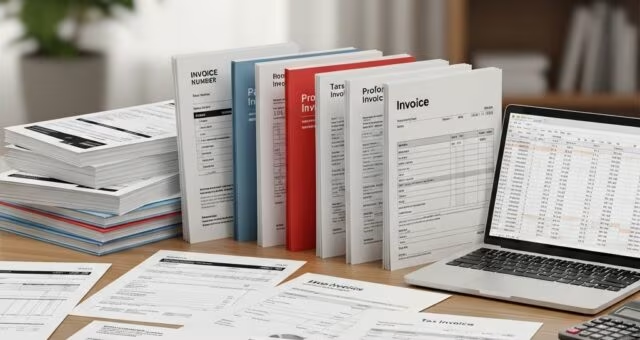
Understand what an invoice is, its types, key elements, and uses for record-keeping, payment terms, tax compliance, and better cash flow.
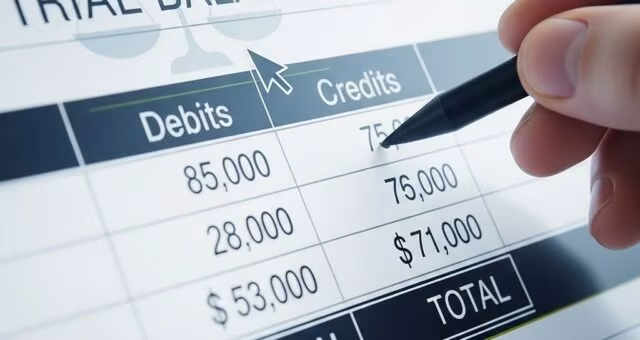
Struggling to keep books accurate? Learn how a trial balance verifies debits, credits, and account totals, plus its types, benefits, limits, and preparation steps.

Understand private equity and venture capital differences in stage, control, risk, returns, and exits, so you can match the right capital source to your business goals.

Understand accrued expenses, their journal entries, and how they affect liabilities, income statements, and cash flow timing in accrual accounting.
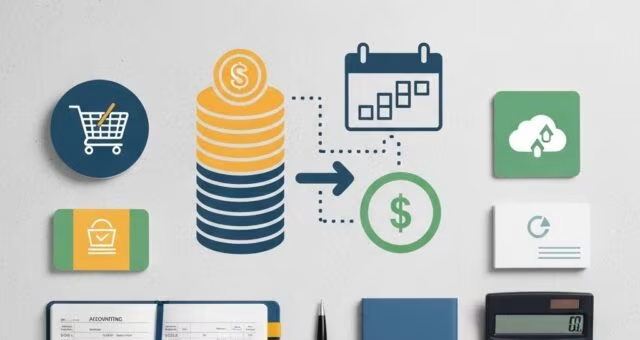
Avoid misstating earnings with this unearned revenue guide, covering liability treatment, examples, journal entries, balance sheet impact, and ASC 606 recognition rules.
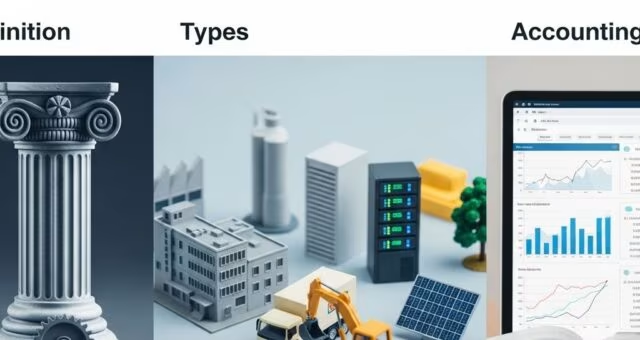
Understand fixed assets, depreciation, CapEx, and balance sheet treatment to improve financial analysis and asset management.

Understand mark-to-market accounting, how it works, key benefits, limitations, industry use, and a practical example.
Understand financial accounting vs. managerial accounting, including purpose, users, timing, standards, and how each supports better business decisions.