

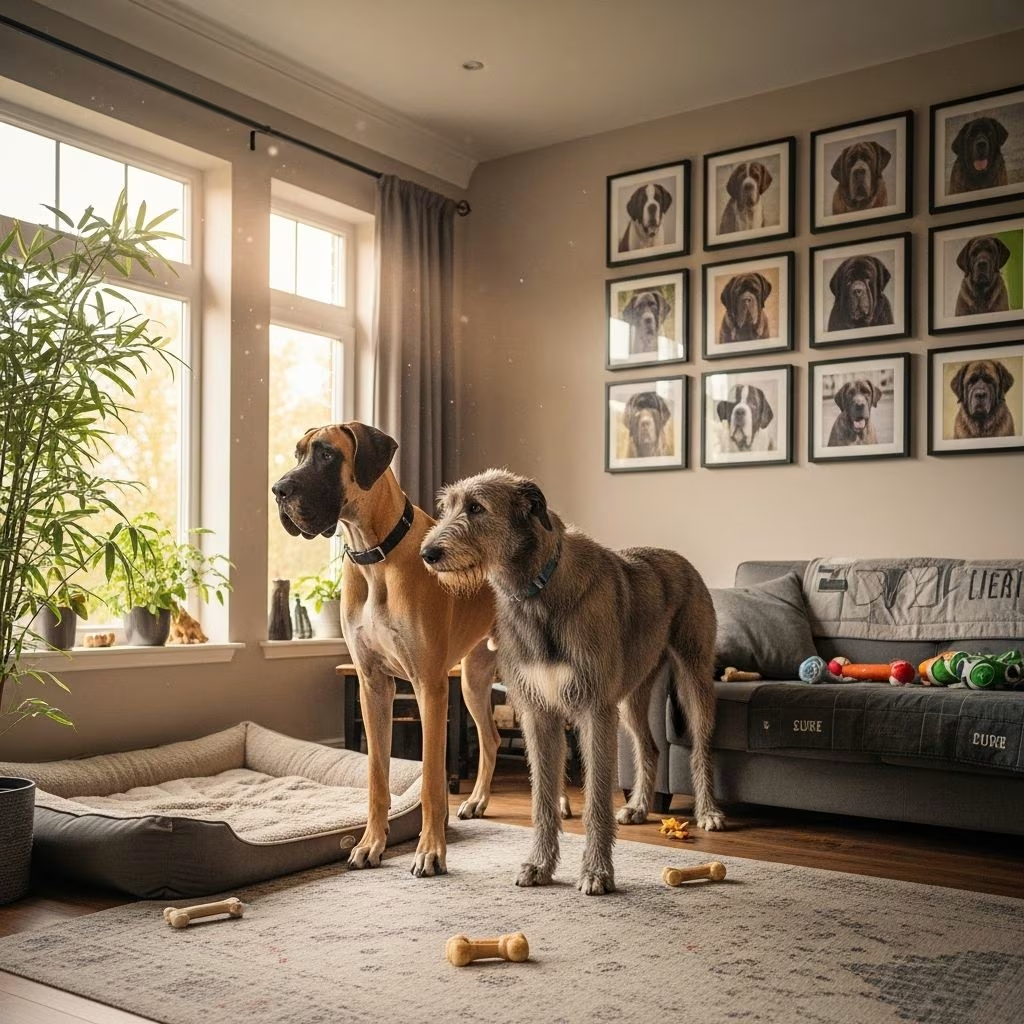
Giant dogs make an unforgettable impression. From towering Irish Wolfhounds to heavyweight Mastiffs, the largest dog breeds combine impressive size with loyal, gentle personalities. However, their substantial stature also comes with specific care needs, higher feeding costs, and increased risk of certain health problems, which can make veterinary care and pet insurance especially important for their families.
This guide walks through some of the most popular and famous large and giant dog breeds, what they are like to live with, what kind of care they need, and how pet insurance can help you protect your four-legged giant.
What Counts as a Large or Giant Dog Breed?
Dog breeds are often grouped by size: small, medium, large, and giant. While there is no single universal definition, many veterinarians and breed organizations consider dogs over about 50–60 pounds to be large, and those above roughly 90–100 pounds to be giant.
These larger dogs often share several characteristics:
- They grow very quickly in their first year of life, putting stress on developing joints and bones.
- They tend to have shorter lifespans than smaller dogs, often around 6–10 years for the biggest breeds.
- They are predisposed to certain orthopedic and heart diseases, as well as bloat (gastric dilatation-volvulus, or GDV).
- They usually need more space, more food, and carefully managed exercise.
Because of this, planning for long-term health care and unexpected emergencies is essential. Pet insurance can help offset the higher vet bills that often come with giant breeds by covering accidents, illnesses, and sometimes hereditary conditions, depending on the policy.
Largest Dog Breeds: A Quick Comparison
The table below highlights some of the best-known large and giant dog breeds and how they compare in height, weight, and typical role or purpose.
| Breed | Approx. Adult Weight | Approx. Height at Shoulder | Traditional Role |
|---|---|---|---|
| Irish Wolfhound | 105–120 lb | 30+ in (often among tallest) | Wolf hunting, big game coursing |
| Great Dane | 110–175 lb | 28–32 in | Boar hunting, guarding |
| Mastiff (English Mastiff) | 120–230 lb | 27.5+ in | Guardian, war and estate dog |
| Great Pyrenees | 85+ lb | 25–32 in | Livestock guardian |
| Bernese Mountain Dog | 70–115 lb | 23–27.5 in | Farm dog, drafting and herding |
| Anatolian Shepherd | 80–150 lb | 27–32 in | Livestock guardian |
| Leonberger | Often 90–170 lb | ~25–31 in | Companion, later farm work and drafting |
| Neapolitan Mastiff | Often 110–150 lb | ~24–31 in | Guardian, estate protection |
Irish Wolfhound
The Irish Wolfhound is often cited as the tallest dog breed in the world, with some individuals reaching close to 3 feet at the shoulder. Historically, these dogs were developed to hunt wolves and other large game and later served as guardians and war dogs.
Despite their imposing size, Irish Wolfhounds are typically gentle, calm, and highly devoted to their families. They usually get along well with children and other pets but need space and daily exercise due to their heritage as coursing dogs.
Key points for prospective owners:
- Exercise: Daily walks and room to stretch their legs, but heavy running should be postponed until joints are mature.
- Health: Prone to hip dysplasia, heart disease, and GDV; typical lifespan is about 6–8 years.
- Home needs: Secure fencing and soft bedding to protect joints.
Great Dane
The Great Dane is one of the most recognizable giant dog breeds and is also among the tallest. Though sometimes called the “Apollo of dogs,” the breed originated in Germany, where it was used for boar hunting and as an estate guardian.
Modern Great Danes are often affectionate, friendly, and surprisingly gentle, making them popular family companions. However, they still retain protective instincts and their sheer size requires careful training and socialization.
What to know:
- Temperament: Usually calm and people-oriented, often described as “gentle giants.”
- Health: At risk for heart conditions and GDV; preventive measures like slow feeding and avoiding heavy exercise around meals are important.
- Space: They need room to move and a home that can safely accommodate a very large dog.
Mastiff (English Mastiff)
The Mastiff, often called the English Mastiff, is one of the heaviest dog breeds in the world. Mastiffs descend from ancient war and guardian dogs, but today they are valued as steady, calm family companions.
These dogs are massive, with deep chests, broad heads, and a dignified expression. They tend to be loyal and protective but also sensitive and generally docile in the home.
Considerations:
- Energy level: Typically low to moderate; they enjoy lounging but still need regular walks to maintain a healthy weight.
- Health: Orthopedic problems (like hip and elbow dysplasia), heart disease, and bloat are concerns; vet visits can be costly given their size.
- Costs: Food and routine medications (such as flea, tick, and heartworm preventives) are more expensive for a dog of this size; pet insurance can help with illness and injury care.
Great Pyrenees
The Great Pyrenees is known for its thick, typically white coat and calm, confident demeanor. Developed as a livestock guardian in the mountains, this breed is independent, alert, and strongly protective of its family and territory.
These dogs often bond closely with children and other animals and may patrol the home or yard as they would a flock.
Important traits:
- Temperament: Steady, patient, but independent; can be vocal due to their guardian background.
- Grooming: Heavy shedding and seasonal coat blows require frequent brushing.
- Health: Predisposed to orthopedic conditions and bloat; careful weight management and regular checkups are vital.
Bernese Mountain Dog
The Bernese Mountain Dog comes from the Swiss Alps, where it was used as a versatile farm dog for driving cattle and pulling carts. Recognizable by its tricolor coat, the Bernese is beloved for its gentle, affectionate nature.
These dogs often form strong bonds with their families and enjoy outdoor activities, particularly in cooler weather.
Owner notes:
- Energy: Moderate; they enjoy hiking and moderate exercise but are not as fast or driven as some working breeds.
- Health: At risk of hip and elbow dysplasia, certain cancers, and bloat; lifetime medical costs can be high.
- Living conditions: Prefer cooler climates and need shade and fresh water in warmer areas.
Anatolian Shepherd
The Anatolian Shepherd is a powerful guardian breed originating from Turkey, where it was bred to watch over livestock in challenging conditions. These dogs are large, muscular, and highly independent.
Anatolian Shepherds are deeply loyal to their families but can be wary or aloof with strangers. They are best for experienced dog owners who understand guardian breeds and can provide firm, consistent training.
Key considerations:
- Temperament: Protective, watchful, and often reserved with unfamiliar people.
- Training: Early socialization and obedience work are essential to ensure safe, predictable behavior.
- Health: Like other giant breeds, they are susceptible to hip dysplasia and GDV.
Leonberger
The Leonberger was originally developed in Europe partly as a companion for nobility and later used as a versatile farm and working dog. With a lion-like mane and impressive size, they tend to be confident, even-tempered, and affectionate with family.
Leonbergers generally enjoy being involved in family activities and may excel in dog sports that make use of their strength, such as cart pulling or drafting.
Owner tips:
- Grooming: Thick double coat requires regular brushing to control shedding and prevent matting.
- Temperament: Often good with children when properly socialized; need positive training and structure.
- Health: Similar to other giant dogs, watch for orthopedic issues and bloat.
Neapolitan Mastiff
The Neapolitan Mastiff traces its roots back to ancient Rome and is known for its massive size, heavy bone, and dramatic loose skin and wrinkles. Historically used as a guard dog, it remains strongly protective of home and family.
These dogs can be surprisingly affectionate and devoted with their owners but may be wary of strangers. Early socialization and consistent, gentle training are crucial.
Things to keep in mind:
- Care of skin: Wrinkles need regular cleaning and drying to help prevent infections.
- Space: Their size and guarding instincts mean they are not ideal for small apartments or inexperienced owners.
- Health: Heavier dogs are at increased risk for joint disease and heart issues; veterinary costs can be significant over a lifetime.
Special Health Considerations for Giant Breed Dogs
Large and giant breed dogs share several health risks that are less common or less severe in smaller dogs. Understanding these issues can help owners prioritize preventive care and appreciate the value of pet insurance coverage.
- Hip and elbow dysplasia: Abnormal joint development can cause pain and arthritis and may require long-term medications or surgery.
- Gastric dilatation-volvulus (bloat): A life-threatening emergency in which the stomach fills with gas and may twist; deep-chested large dogs are at particular risk.
- Osteoarthritis: Extra body weight and rapid growth put stress on joints, increasing the likelihood of arthritis as dogs age.
- Heart disease: Some giant breeds are predisposed to certain heart conditions that require specialist care and ongoing monitoring.
- Shorter lifespan: Many giant breeds have shorter lifespans than smaller breeds, which can mean a more intense concentration of medical care in fewer years.
Routine vet visits, joint-friendly diets formulated for large-breed puppies, and appropriate exercise are essential parts of keeping these dogs healthy.
Why Pet Insurance Is Especially Helpful for Large Dogs
Because large and giant dogs are prone to conditions that can be expensive to diagnose and treat, pet insurance can be especially valuable for their guardians. Policies often help cover costs related to accidents, illnesses, and hereditary conditions, depending on the plan.
Potential benefits for owners of large breeds include:
- Help with major surgery costs: Procedures such as orthopedic surgeries or emergency treatment for bloat can run into thousands of dollars.
- Support for chronic conditions: Long-term medications, recheck exams, and diagnostics for arthritis or heart disease can add up.
- Budget predictability: Paying a premium and deductible can make unpredictable vet bills easier to manage.
When comparing plans, look carefully at coverage for hereditary and congenital conditions, waiting periods, annual limits, and exclusions. Signing up while your dog is young and before problems arise can improve the chances that future issues are eligible for coverage.
Frequently Asked Questions (FAQs)
Q: Are giant dog breeds good for families with children?
Many large and giant breeds, such as Bernese Mountain Dogs, Great Danes, and Great Pyrenees, are often described as affectionate and patient with children when properly socialized and supervised. However, their size means they can accidentally knock over small children, so interactions should always be monitored.
Q: How much exercise do large dog breeds need?
Exercise needs vary by breed, but most large dogs require at least daily walks and mental stimulation. Working breeds, such as Irish Wolfhounds, Anatolian Shepherds, and Leonbergers, may benefit from more vigorous activity once they are fully grown, while giant Mastiffs may prefer moderate, steady exercise.
Q: Do big dogs always need a large yard?
A large yard is helpful but not always mandatory. Some giant breeds, like Mastiffs, can adapt to smaller spaces if they receive consistent walks and mental enrichment. Others, especially active guardian or hunting breeds, do best with secure outdoor areas where they can move freely.
Q: Are veterinary costs higher for large breeds?
Veterinary costs are often higher for large dogs because they require larger doses of medications, bigger diagnostic equipment settings, and more materials such as anesthesia and surgical supplies. Pet insurance can help mitigate these costs over the dog’s lifetime.
Q: When should I consider pet insurance for my large-breed puppy?
Many owners choose to enroll their large-breed puppies in pet insurance as early as possible, before any health issues are diagnosed. This timing can help ensure that future hereditary or developmental conditions have a better chance of being covered, depending on the policy terms.
References
- Meet the Largest Dog Breeds: What to Know About Giant Dogs — American Kennel Club. 2021-09-24. https://www.akc.org/expert-advice/dog-breeds/16-largest-dog-breeds/
- 17 Biggest Dog Breeds and How to Care for Them — PetMD. 2023-01-05. https://www.petmd.com/dog/general-health/biggest-dog-breeds
- The list of 9 largest dog breeds — Weenect. 2022-06-10. https://www.weenect.com/us/en/guide/largest-dog-breeds/
- Largest Dog Breeds — American Kennel Club. 2020-08-14. https://www.akc.org/dog-breeds/largest-dog-breeds/
- Get To Know Giant Breed Dogs — ASPCA Pet Health Insurance. 2022-04-18. https://www.aspcapetinsurance.com/resources/giant-breed-dogs/
This article is general information, not personal financial advice. Consider your own situation, or speak with a licensed adviser, before acting on it.


