

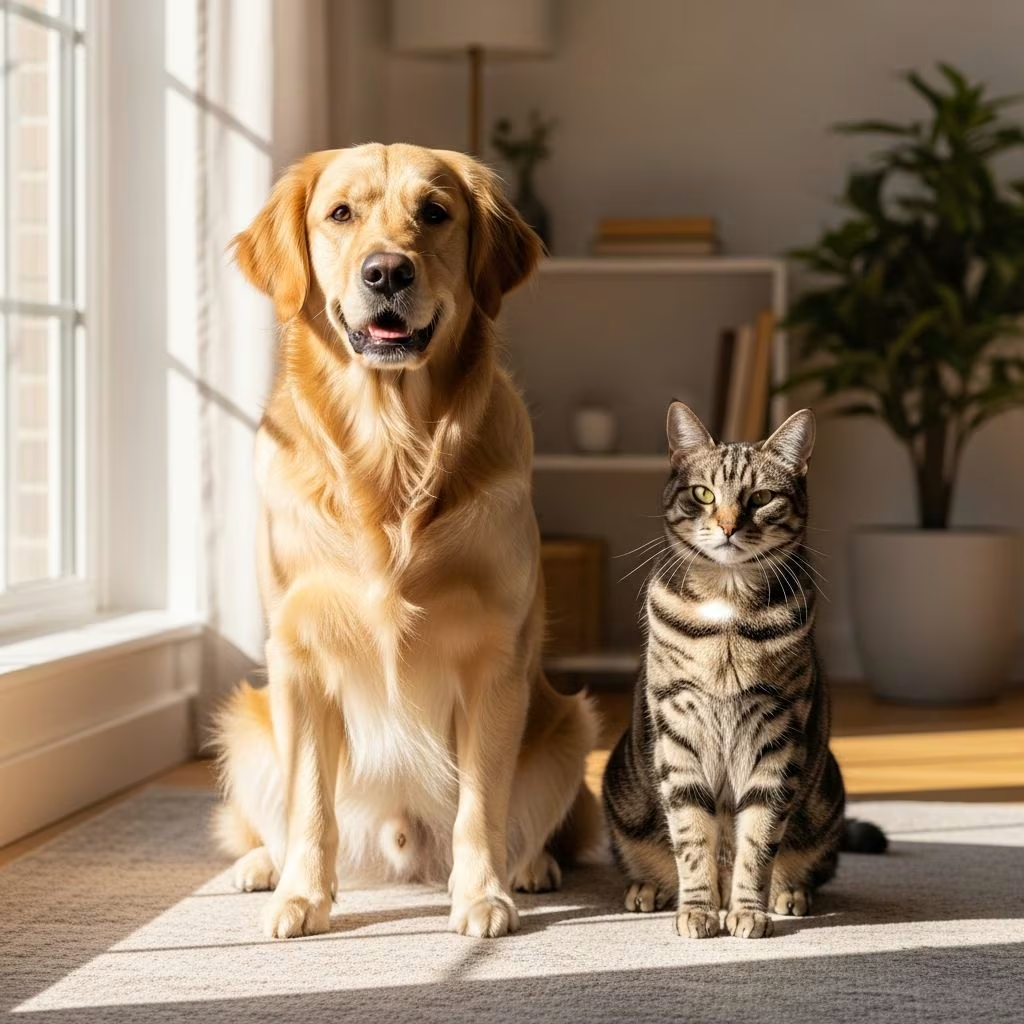
Pet insurance can be a valuable way to manage veterinary expenses, but the timing of when you enroll your dog or cat has a major impact on what is covered, how much you pay, and how useful the policy will be over your pet’s lifetime. Understanding how age, health, and plan rules work will help you decide when to get pet insurance and whether it makes financial sense for your household.
What Is Pet Insurance and How Does It Work?
Pet insurance is a type of health coverage that reimburses you for eligible veterinary expenses if your pet becomes ill or injured, and in some plans, for preventive care like vaccines or wellness exams. It typically operates on a reimbursement model: you pay your vet bill up front, submit a claim, and receive partial repayment.
- Policyholder: You, the pet owner, who pays monthly or annual premiums.
- Covered pet: Usually a dog or cat, though some insurers cover other species.
- Veterinary services: Treatment for accidents, illnesses, and sometimes routine care.
- Reimbursement: The insurer pays you back up to a certain percentage after deductibles and limits.
Unlike human health insurance, most pet insurance lets you visit any licensed veterinarian, including emergency and specialty clinics. You do not usually have networks or referrals, but you must comply with the policy’s terms, such as waiting periods and exclusions.
Key Pet Insurance Terms to Know
| Term | What It Means |
|---|---|
| Premium | The amount you pay (monthly or annually) to keep your policy active. |
| Deductible | The amount you pay out of pocket before the insurer begins reimbursing claims. |
| Reimbursement rate | The percentage of covered costs the insurer will pay after the deductible (e.g., 70%–90%). |
| Annual or per-incident limit | The maximum the insurer will pay per year or per condition. |
| Waiting period | The time between policy start and when certain types of coverage become active. |
| Pre-existing condition | Any illness or injury that began before your policy’s effective date or during a waiting period; usually excluded. |
When Is the Best Time to Get Pet Insurance?
Most experts agree that the best time to get pet insurance is as early as possible, ideally when your pet is young and healthy. Enrolling early maximizes what conditions can be covered in the future and helps you secure lower premiums.
Why “Sooner Rather Than Later” Matters
- Fewer pre-existing conditions: Young pets have had fewer medical issues, so more future problems can be eligible for coverage.
- Lower premiums for younger pets: Insuring a puppy or kitten usually costs less than insuring a middle-aged or senior pet.
- Coverage before serious issues arise: Many chronic conditions (arthritis, diabetes, some cancers) appear later in life; if they exist before you enroll, they are typically not covered.
- Waiting periods end earlier: Starting a policy early means you get through waiting periods before major issues are likely to develop.
Some insurers and consumer organizations note that many pet owners enroll within the first few months of bringing their pet home to lock in broader coverage while the animal is still young and healthy.
Pet Insurance for Puppies and Kittens
Puppies and kittens are often seen as healthy, but they are statistically more likely to have accidents and emergencies due to curiosity, rapid growth, and immature immune systems. Early coverage can be especially helpful during this high-risk stage.
Benefits of Insuring Young Pets
- High accident risk: Young animals are prone to ingesting foreign objects, falling, or getting into toxic substances, which can lead to costly emergency visits.
- Early detection: Some congenital or hereditary conditions may first appear in puppyhood or kittenhood; having insurance can help you pursue diagnostic tests and treatment without delay.
- Lower starting premiums: Because younger pets typically have fewer existing conditions, their premiums tend to be lower at enrollment.
- Lifetime coverage potential: If a condition arises after coverage begins (and after waiting periods), it may be covered for the life of the pet, depending on the policy’s terms.
Some insurers also offer optional routine care or wellness riders that can help pay for initial vaccines, spay/neuter surgery, and microchipping, though these are usually add-ons rather than core coverage.
Getting Pet Insurance for Adult and Senior Pets
It is possible to insure middle-aged and senior pets, but the decision requires special consideration. As pets age, their risk of chronic illness and serious injury rises, and insurers generally account for that with higher premiums, more exclusions, or age limits.
Age Limits and Eligibility
- Upper age limits: Some pet insurance companies stop enrolling new pets at a certain age, often around 10 years for dogs and cats, or may only offer accident-only policies for seniors.
- Health screening: An initial exam or access to medical records may be required to determine eligibility and document pre-existing conditions.
- Chronic conditions: Existing problems such as diabetes, kidney disease, or cancer are usually excluded, though new, unrelated conditions may still be covered.
For older animals with known health problems, you must weigh whether ongoing premiums and out-of-pocket costs are likely to be less than paying for care directly.
Is Pet Insurance Worth It for Senior Pets?
Whether insurance is worth it for a senior dog or cat depends on both their health status and your finances.
- It may be worth considering if:
- Your pet is older but still relatively healthy.
- You could not comfortably afford a large, unexpected vet bill.
- Policies are available that cover new illnesses and accidents at a manageable cost.
- It may be less beneficial if:
- Your pet already has multiple chronic conditions that will be excluded.
- Premiums are very high compared with your expected benefit.
- You have savings or a dedicated emergency fund for pet care.
How Waiting Periods Affect Timing
Waiting periods are a critical reason to think ahead about when to get pet insurance rather than waiting until your pet is already sick or injured.
What Are Waiting Periods?
A waiting period is the time between when your policy is issued and when coverage for certain services begins. During this period, conditions that arise are generally not covered. Typical waiting periods include:
- Accident coverage: Often a few days (e.g., 2–5 days) after policy start.
- Illness coverage: Often 14–30 days, depending on the insurer.
- Orthopedic or specific conditions: Sometimes several months up to a year (for example, hip dysplasia or cruciate ligament injuries).
If you wait to enroll until your pet is already limping, vomiting, or otherwise ill, the condition may be treated as pre-existing and excluded from coverage, or may arise during the waiting period and not be reimbursed.
Pre-Existing Conditions and Why They Matter
One of the most important reasons to enroll early is how insurers treat pre-existing conditions. A pre-existing condition is usually defined as any illness or injury that first occurred or showed signs before your policy started or during a waiting period.
Common Rules About Pre-Existing Conditions
- Exclusions: Most pet insurance policies do not cover pre-existing conditions.
- Medical records: Insurers may review your pet’s veterinary history to determine what began before coverage.
- Curable vs. incurable conditions: Some companies may cover curable issues (like a resolved ear infection) if the pet has been symptom-free for a specified time, while incurable conditions (like chronic kidney disease) remain excluded.
Because pre-existing conditions are almost always excluded, enrolling before your pet develops major health issues is the best way to secure broad coverage for future problems.
Cost Considerations and Budgeting
When deciding when to get pet insurance, you should factor in not only your pet’s age and health but also your budget and risk tolerance. Pet insurance spreads the cost of potential large vet bills into predictable premiums.
What Affects Pet Insurance Premiums?
- Age: Older pets generally cost more to insure than younger pets.
- Species and breed: Dogs usually cost more than cats; some breeds have higher risk of hereditary conditions and higher premiums.
- Location: Veterinary costs vary by region, which influences premiums.
- Coverage level: Higher reimbursement rates, lower deductibles, and higher annual limits all increase premiums.
- Plan type: Accident-only plans are cheaper than accident-and-illness plans; wellness coverage is usually an extra cost.
Consumer organizations and regulators recommend comparing quotes from multiple insurers and reading the fine print before buying, including exclusions, waiting periods, and how premiums may change as your pet ages.
Pet Insurance vs. Paying Out of Pocket
To decide whether and when to get insurance, consider how you would handle a sudden large expense:
- If a large vet bill would be difficult to pay, insurance may make sense as a form of financial protection.
- If you have a robust emergency fund and are comfortable self-insuring, you might choose to save the money instead of buying a policy.
Some experts suggest comparing the expected cost of premiums over your pet’s lifetime with typical veterinary costs, recognizing that insurance is primarily designed to protect against unpredictable, high-cost events rather than guarantee savings every year.
Step-by-Step: How to Decide When to Get Pet Insurance
If you are unsure about timing, use the following framework to guide your decision.
- Assess your pet’s age and health.
Younger, healthy pets are usually the best candidates for comprehensive accident-and-illness coverage. - Estimate your financial risk tolerance.
Ask yourself how you would handle a $2,000–$5,000 emergency surgery or a long-term chronic condition. - Review pre-existing conditions.
Talk with your veterinarian to understand existing issues that are likely to be excluded. - Compare several insurers.
Look at premiums, deductibles, reimbursement rates, annual limits, waiting periods, and exclusions. - Decide on timing.
If you plan to insure at all, doing so sooner rather than later is generally advantageous, especially before major health problems arise.
Frequently Asked Questions (FAQs)
Q: What is the ideal age to get pet insurance?
A: The ideal time is when your pet is a puppy or kitten, or soon after adoption, while they are still young and healthy and have few or no pre-existing conditions. This usually results in broader coverage and lower premiums.
Q: Can I get pet insurance for an older dog or cat?
A: Yes, many insurers offer coverage for older pets, though some have upper age limits or offer only accident coverage beyond a certain age. Premiums are higher and existing conditions are typically excluded, so you must carefully weigh the cost versus potential benefit.
Q: Does pet insurance cover pre-existing conditions?
A: Most pet insurance policies do not cover pre-existing conditions, meaning illnesses or injuries that began before your policy started or during any waiting period. Some insurers may cover certain curable conditions once your pet has been symptom-free for a specified time, but ongoing chronic diseases are usually excluded.
Q: Should I wait until my pet gets sick before buying insurance?
A: No. If you wait until symptoms appear, the condition will likely be considered pre-existing or may arise during the waiting period, and therefore not be covered. Insurance is designed to be purchased before problems occur.
Q: Is pet insurance worth it?
A: Pet insurance can be worthwhile if your pet is young and healthy, you cannot easily afford a large unexpected vet bill, or you value the peace of mind of having financial protection. It may be less beneficial if your pet is already ill, premiums are very high, or you have substantial savings and are comfortable paying out of pocket.
References
- When to Buy Pet Insurance for Cats and Dogs — State Farm. 2023-06-01. https://www.statefarm.com/simple-insights/family/when-to-buy-pet-insurance
- What Is Pet Insurance? What Every Pet Parent Needs to Know — Chewy / Dr. Katy Nelson. 2023-04-10. https://www.chewy.com/education/dog/health-and-wellness/pet-health-insurance-what-every-pet-parent-needs-to-know
- Pet Insurance Buying Guide — Consumer Reports. 2024-01-05. https://www.consumerreports.org/money/pet-insurance/buying-guide/
- A Guide to Buying Pet Insurance — Breckinridge Park Animal Hospital. 2022-11-15. https://www.bpah.net/blog/resolve-to-insure-your-pet-a-guide-to-buying-pet-insurance
- Is Pet Insurance Worth It? — NerdWallet. 2023-08-18. https://www.nerdwallet.com/insurance/pet/learn/is-pet-insurance-worth-it
- Questions to Consider When Purchasing Pet Insurance — California Department of Insurance. 2022-09-30. https://www.insurance.ca.gov/01-consumers/105-type/8-pet/pet-qa.cfm
This article is general information, not personal financial advice. Consider your own situation, or speak with a licensed adviser, before acting on it.


