

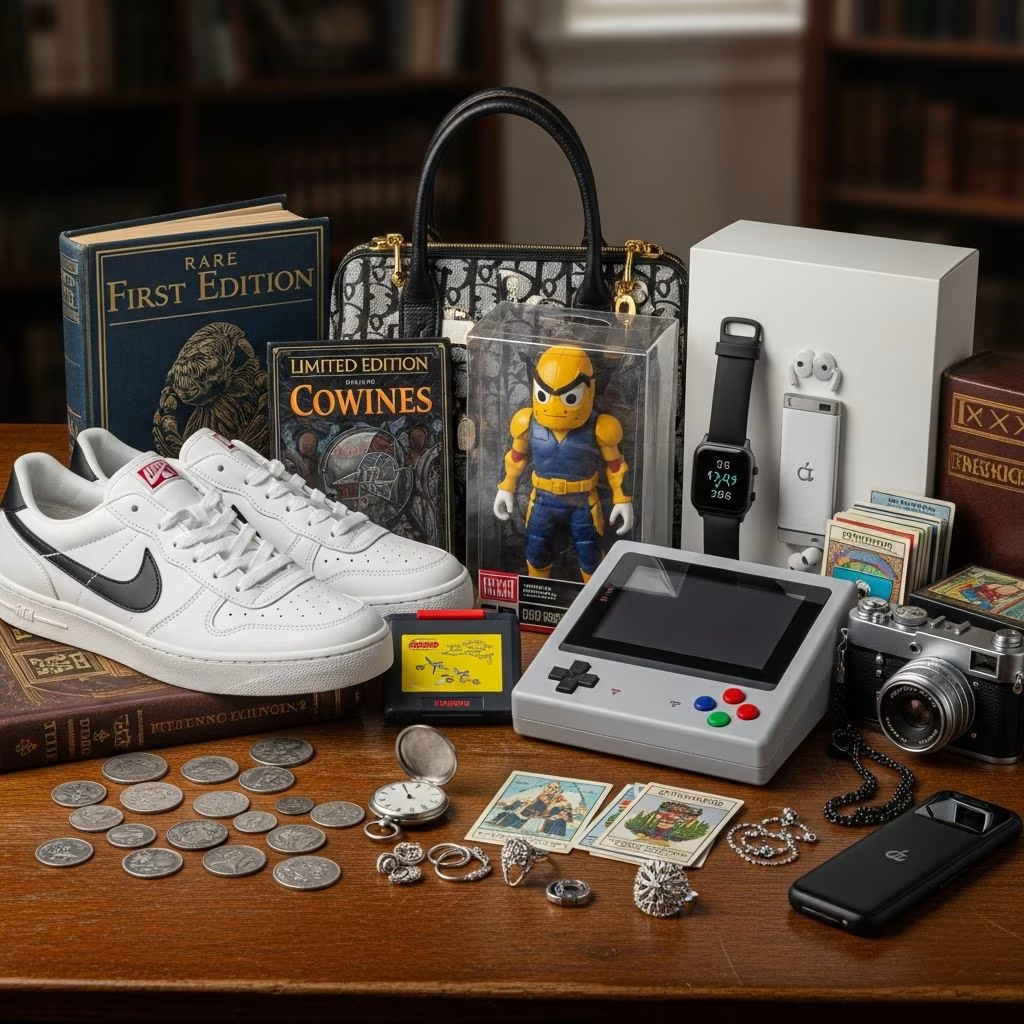
Starting a resale side hustle is one of the most accessible ways to earn extra income without a large upfront investment. By learning which products hold value and where to find them cheaply, you can turn unused items, thrift store finds, and online deals into steady profit.
Reselling can be done part-time, from home, and with limited risk when you research your market and track your numbers carefully. This guide covers the best items to resell for profit, where to source them, and simple strategies to grow your resale business over time.
Why Reselling Is A Great Side Hustle
Reselling is a flexible way to make money because you can start small, use platforms that already have buyers, and scale at your own pace. Many people begin by selling things they already own and then reinvest their profits into more inventory.
- Low startup costs: You can start with items from your home or low-cost thrift finds.
- Flexible schedule: List items, answer messages, and ship orders when it fits your routine.
- Scalable: You can stay small or grow into a full-time business by increasing volume and niches.
- Existing marketplaces: Platforms like eBay, Poshmark, Facebook Marketplace, and others provide built-in traffic.
- Sustainable: Reselling keeps items in use and can reduce waste, aligning with circular economy principles promoted by organizations like the World Bank.
Best Items To Resell For Profit
Not all products resell equally well. Successful resellers focus on categories that have consistent demand, are relatively easy to ship, and allow room for profit after fees and expenses. Below are some of the best items to consider.
1. Clothing & Fashion
Clothing is one of the most popular resale categories because it is lightweight, easy to ship, and always in demand. Second-hand fashion is a major part of the global reuse and circular economy trend.
- Women’s clothing: Dresses, jeans, blazers, and workwear from recognizable brands.
- Designer & luxury items: High-end brands and limited editions can bring strong margins if authenticated properly.
- Activewear and athleisure: Popular brands of leggings, sports bras, and jackets resell well when in good condition.
- Plus-size and petite sizing: Often under-supplied but in high demand.
Focus on items that are in excellent condition, current in style, and made from quality materials. Photograph garments clearly and describe any flaws.
2. Shoes
Shoes—especially brand-name and specialty pairs—can be highly profitable because buyers often search for specific models or sizes.
- Brand-name sneakers: Certain models of athletic shoes and limited collaborations can command high resale values.
- Designer heels and boots: Luxury footwear holds value when kept in good condition.
- Comfort and work shoes: Practical, high-quality shoes often resell steadily.
Inspect soles, insoles, and stitching carefully. Clean them before listing and include details like size, fit notes, and any wear.
3. Handbags & Accessories
Handbags, wallets, and accessories can be lucrative resell items because they combine fashion with collectability. However, research is crucial, especially for designer goods where counterfeits are common.
- Designer handbags and wallets: Certain brands and classic models retain value over time, especially when well cared for.
- Quality leather bags: Even non-luxury leather bags can resell well when the craftsmanship is good.
- Sunglasses, belts, and scarves: Small accessories are easy to store and ship and can be bundled for extra value.
Keep receipts, dust bags, or certificates if available, and use multiple photos to show logos, hardware, and interiors for authenticity.
4. Jewelry & Watches
Jewelry and watches are small, easy to ship, and can have strong resale value. However, buyers expect accurate information about materials and condition.
- Fine jewelry: Gold, silver, and gemstone pieces often hold value based on metal weight and design.
- Brand-name watches: Recognized watch brands can be resold if they are authentic and in working order.
- Vintage costume jewelry: Certain vintage pieces are collectible and can attract niche buyers.
Be honest about metals (e.g., gold-plated vs. solid gold) and disclose any missing stones or repairs. For higher-value items, research hallmark stamps or consider professional appraisal.
5. Electronics & Gadgets
Consumer electronics can resell quickly because many buyers look for lower-cost alternatives to new devices. Used smartphones and computers make up a significant portion of global reuse markets.
- Smartphones and tablets: Recent models with clean histories and no outstanding balances.
- Laptops and accessories: Working devices, chargers, and peripherals.
- Gaming consoles and games: Current and last-generation consoles, controllers, and popular games.
- Small household electronics: Headphones, speakers, smart home devices, and kitchen gadgets.
Always reset devices to factory settings, remove personal data, and include original accessories if possible. Clearly state any issues (e.g., battery life, cracked screen).
6. Books, Textbooks & Media
Books and media can be great items to resell, particularly when you focus on niches with steady demand.
- College textbooks: Recent editions in good condition can sell well at the start of academic terms.
- Non-fiction and professional books: Business, tech, medical, and exam prep titles can be valuable.
- Special editions and out-of-print books: Collectors seek certain printings or older titles.
- DVD/Blu-ray and video games: Niche, classic, or special edition items may resell to collectors.
Check ISBNs or titles on major marketplaces to estimate resale value before buying inventory.
7. Home Decor & Furniture
Home items can be excellent for local resale because buyers appreciate quality pieces at a discount, and you avoid shipping heavy or bulky goods.
- Small furniture: Side tables, chairs, shelves, and nightstands in good condition.
- Decor items: Mirrors, framed art, lamps, rugs, and decorative accents.
- Quality kitchenware: Cast-iron cookware, quality knives, and brand-name appliances.
Clean items thoroughly, stage them in photos, and use local selling apps or marketplace groups to reach nearby buyers.
8. Baby & Kids’ Items
Children outgrow clothing, toys, and gear quickly, so there is constant demand for gently used items at lower prices.
- Baby clothing and shoes: Multipacks and bundles in good condition.
- Toys and educational games: Popular brands, wooden toys, and learning sets.
- Baby gear: Strollers, high chairs, carriers, and monitors, ensuring they meet safety standards.
Always check for recalls and safety updates from official agencies like the U.S. Consumer Product Safety Commission before reselling items that impact child safety.
9. Sports & Fitness Equipment
Sports and fitness gear often holds value, particularly when it is in good condition and from well-known brands.
- Home gym equipment: Dumbbells, kettlebells, resistance bands, and benches.
- Outdoor sports gear: Bicycles, skateboards, and camping equipment.
- Branded workout gear: Yoga mats, athletic bags, and accessories.
These items often sell well locally due to shipping costs, so list on neighborhood apps and marketplace platforms.
10. Collectibles & Niche Items
Collectibles can be especially profitable when you understand their markets. However, demand can be more specialized, so research is essential.
- Trading cards and memorabilia: Sports cards, game cards, and signed items.
- Vintage items: Retro electronics, decor, toys, and fashion.
- Hobbies and craft supplies: Yarn, fabric, specialty tools, and art supplies.
Check completed listings on major marketplaces to see what similar items have actually sold for, not just asking prices.
Comparison Of Popular Resell Categories
| Category | Typical Demand | Ease of Shipping | Average Profit Potential |
|---|---|---|---|
| Clothing & Shoes | High | Easy to Moderate | Low to Medium per item, scalable by volume |
| Electronics | High | Moderate (requires protection) | Medium to High per item |
| Home Decor & Furniture | Medium to High (local) | Hard (often local pickup) | Medium to High per item |
| Books & Textbooks | Medium, seasonal for textbooks | Easy | Low to Medium per item |
| Collectibles | Varies by niche | Easy to Moderate | Medium to High on select items |
Where To Find Items To Resell
Once you know what sells, the next step is learning where to source your inventory. Many successful resellers combine several sourcing strategies to keep costs low and selection diverse.
- Your home: Start with items you no longer need—clothes, books, decor, and electronics. This lets you learn the process with zero extra cost.
- Thrift stores and charity shops: Look for quality brands, natural fabrics, and items in excellent condition.
- Garage and yard sales: You can often negotiate low prices, especially when buying multiple items.
- Online marketplaces: Sometimes people list bundles locally at low prices because they want quick pickup.
- Outlet and clearance racks: Discounted new items from recognized brands can be resold for a profit when priced carefully.
Track what sells best for you and adjust your sourcing accordingly to avoid clutter and cash tied up in slow-moving inventory.
How To Price Items For Resale
Profitable reselling requires pricing that balances competitiveness with a healthy margin after fees, shipping, and supplies.
- Search completed and sold listings on your chosen platform for similar items.
- Factor in marketplace fees, payment processing fees, and shipping costs.
- Consider item condition, brand, rarity, and seasonality.
- Use round numbers for simplicity, but be willing to accept offers.
- Review and adjust prices if items do not sell after a reasonable period.
As your experience grows, you will develop a sense of which items sell quickly at full price and which need more flexible pricing.
Tips To Succeed With A Resell Side Hustle
Beyond choosing the right items, certain habits can dramatically increase your chances of success with reselling as a side hustle.
- Keep detailed records: Track purchase costs, selling prices, fees, and shipping so you know your true profit. Good recordkeeping supports sound financial decisions and is recommended by small business guidance from agencies like the U.S. Small Business Administration.
- Invest in good photos: Clear, well-lit photos from multiple angles build trust and increase conversions.
- Write honest descriptions: Disclose all flaws, measurements, and relevant details to reduce returns and customer issues.
- Ship quickly: Fast, reliable shipping improves reviews and repeat business.
- Reinvest your profits: Use early earnings to buy better inventory rather than immediately spending it.
- Stay organized: Store inventory neatly, label bins, and create a simple system to find items when they sell.
Simple Steps To Start Your Resale Side Hustle
- Choose your main categories: Start with 1–3 product types that interest you, like clothing, books, or electronics.
- Set up 1–2 selling platforms: Open seller accounts, read their rules, and learn the fee structures.
- List items from your home: Practice photographing, describing, and pricing using items you already own.
- Evaluate what sells: Notice which items move quickly and which sit, then adjust your sourcing and pricing.
- Scale slowly: As you gain confidence, add more inventory and refine your niche based on demand.
Frequently Asked Questions (FAQs)
Q: How much money can I make reselling items?
Income from reselling varies widely. Some people make a few extra hundred dollars per year clearing out their homes, while others build structured reselling businesses that contribute significantly to their income. Your earnings depend on factors like time invested, sourcing quality, pricing, and how efficiently you manage inventory.
Q: Do I need a business license to start reselling?
In many places, you can begin casually selling without a formal business, but you may need to register if you scale up or operate as a regular business. Regulations differ by location, so it is important to check local rules or small business guidance from official government resources.
Q: Which items should beginners start reselling?
Beginners should usually start with what they already own—clothing, books, decor, and small electronics. This helps you learn how listing, shipping, and communication work without spending extra money on inventory.
Q: How do I avoid buying items that will not sell?
Research before you buy. Check sold listings on major platforms, avoid damaged items unless you are sure of demand, and start with small quantities. Over time, track your own sales history to understand which brands and categories perform best for you.
Q: What taxes apply to reselling income?
Profits from reselling are generally considered taxable income in many countries. Official guidance from tax authorities such as the IRS explains that self-employment or business income must be reported, and marketplace platforms may issue tax forms once you exceed certain thresholds. For specific requirements in your location, consult your national tax authority or a qualified professional.
References
- Small Business Resources — U.S. Small Business Administration. 2024-01-05. https://www.sba.gov/business-guide
- Gig Economy Tax Center — Internal Revenue Service (IRS). 2024-02-15. https://www.irs.gov/businesses/gig-economy-tax-center
- What a Waste 2.0: A Global Snapshot of Solid Waste Management to 2050 — World Bank. 2018-09-20. https://www.worldbank.org/en/topic/urbandevelopment/publication/what-a-waste-2
- Textbook Costs and Student Success — U.S. Government Accountability Office. 2013-06-01. https://www.gao.gov/products/gao-13-368
- Recalls — U.S. Consumer Product Safety Commission. 2024-03-01. https://www.cpsc.gov/Recalls
This article is general information, not personal financial advice. Consider your own situation, or speak with a licensed adviser, before acting on it.


