

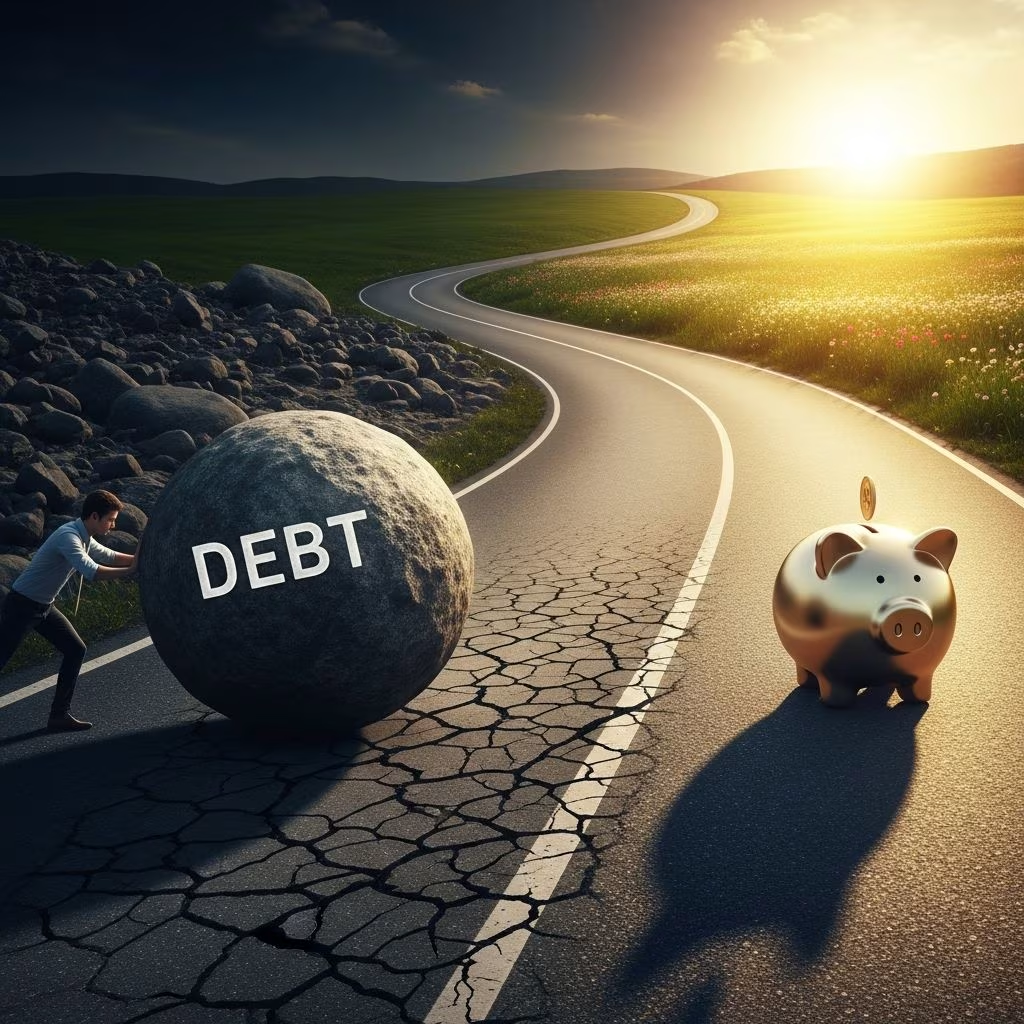
Many people face a common dilemma: should you aggressively pay off debt or start saving for the future right away? The answer is clear—tackle debt first. High-interest debt acts like a financial anchor, dragging down your progress and limiting your ability to build wealth. By prioritizing debt elimination, you free up cash flow, reduce stress, and position yourself for effective saving later. This approach, backed by financial experts, ensures you’re not working harder just to stay in place due to compounding interest.
Why Debt Comes Before Savings
Debt, especially consumer debt like credit cards with rates often exceeding 20%, grows faster than most savings accounts earn (typically under 5%). Paying minimums means most of your payment feeds interest, not principal. For instance, a $10,000 credit card balance at 18% APR could take over 20 years to pay off with minimum payments, costing thousands extra in interest.
Savings are essential, but without addressing debt, emergencies force more borrowing, creating a vicious cycle. Financial advisors recommend an ’emergency fund’ of $1,000 first, then debt payoff (except low-interest mortgages), followed by full savings buildup. This ‘debt snowball’ or ‘avalanche’ method focuses energy on debts, yielding quicker psychological and financial wins.
- High-interest debt erodes wealth: Prioritize anything over 7% interest.
- Build minimal buffer: $500–$1,000 in savings prevents new debt from surprises.
- Psychological boost: Clearing debts motivates sustained saving habits.
The Pros and Cons of Paying Off Debt Early
Accelerating debt payoff offers significant advantages but isn’t without drawbacks. Understanding both helps tailor your strategy.
Pros of Early Payoff
- Stress Relief: Eliminating debt payments reduces anxiety, improving mental health and decision-making.
- Free Up Cash Flow: No more monthly obligations mean more money for savings, investments, or lifestyle improvements.
- Save on Interest: On a $20,000 car loan at 3% over 60 months, early payoff saves over $1,500 in interest.
- Secure Your Future: Redirect funds to retirement or emergency funds accelerates wealth building.
Cons of Early Payoff
- Short-Term Cash Crunch: Extra payments reduce liquidity; budget tightly to avoid issues.
- Limited Interest Savings: Mortgages front-load interest; late-stage payoff saves little.
- Credit Score Impact: Closing installment loans early can shorten credit history, potentially lowering scores.
- Prepayment Penalties: Some loans charge fees (e.g., 1-2% of balance) to compensate lenders.
| Aspect | Pros | Cons |
|---|---|---|
| Financial Impact | Saves thousands in interest | Possible penalties, short-term liquidity loss |
| Credit Effect | Reduces utilization (good for cards) | May shorten history (installment loans) |
| Emotional | Relief and motivation | Temporary sacrifice of enjoyment |
Debt Repayment Burnout: How to Avoid It
Aggressive repayment can lead to frustration if it eliminates all fun. Balance is key—don’t sacrifice joy entirely. One reader noted a manageable car payment allows occasional treats, saving only hundreds aggressively but preserving life quality.
- Set Milestones: Celebrate small wins, like debt-free dinners.
- Allocate ‘Fun Money’: Budget 5-10% for non-essentials.
- Track Progress Visually: Use apps or charts for motivation.
- Hybrid Approach: Pay extra on debt while building tiny savings.
Avoid burnout by remembering: life’s not just about numbers. Sustainable habits trump short-term intensity.
Building Savings After Debt Freedom
Once debt-free (except perhaps a low-rate mortgage), shift to saving. Start with 3-6 months’ expenses in a high-yield account. U.S. savings rates hover low, but goals drive success.
Types of Savings Goals
- Short-Term: New furniture—save $50/week for a $2,000 set.
- Medium-Term: Vacation—automate $200/paycheck.
- Long-Term: Retirement—max 401(k) matches first.
Automate transfers to ‘set it and forget it.’ Regular checkups keep you on track.
Strategies for Debt Repayment
- Debt Snowball: Pay smallest debts first for momentum.
- Debt Avalanche: Target highest interest first for max savings.
- Balance Transfers: Move to 0% APR cards (watch fees).
- Increase Income: Side gigs fund extra payments.
- Cut Expenses: Negotiate bills, meal prep.
Frequently Asked Questions (FAQs)
What if I have no emergency fund?
Build a starter fund of $1,000 first, then crush debt. This prevents relapse.
Should I pay off low-interest debt like a mortgage?
No—invest the difference if returns exceed the rate (e.g., stock market avg. 7-10%).
How much should I save after debt?
Aim for 20% of income: 3-6 months emergency, then retirement/vacations.
Does paying debt early hurt credit?
Possibly for installment loans; keep them open if possible.
What’s the fastest way out of debt?
Combine avalanche method with income boosts and spending cuts.
Real-Life Success Stories
A 23-year-old paid off student loans through hard work, built an emergency fund, and now invests for a cash home purchase in 10-15 years. Others report motivation surging post-debt for retirement and vacations.
Debt freedom isn’t deprivation—it’s the gateway to abundance. Start today: list debts, cut one expense, add $20 extra payment. Momentum builds wealth.
References
- Paying Off Debt Early: Pros and Cons — Nevada State Bank. 2022-11-01. https://www.nsbank.com/personal/community/two-cents-blog/2022-11-01-paying-off-debt-early/
- Consumer Financial Protection Bureau: Debt Collection FAQs — CFPB (U.S. Government). 2024-05-15. https://www.consumerfinance.gov/ask-cfpb/what-is-a-debt-collection-agency-en-1403/
- Personal Savings Rates and Goals — Federal Reserve Economic Data (FRED). 2025-12-01. https://fred.stlouisfed.org/series/PSAVERT
- FLM Step 12: Wise Bread Blogger on Goal Setting — Money Management International. 2023-08-20. https://www.moneymanagement.org/blog/flm-step-12-wise-bread-blogger-linsey-knerl-on-goal-setting
- Debt Repayment Strategies — Federal Trade Commission. 2024-10-10. https://consumer.ftc.gov/articles/how-get-out-debt
This article is general information, not personal financial advice. Consider your own situation, or speak with a licensed adviser, before acting on it.


