

Winter brings chilly temperatures that tempt us to blast the heat, but high energy bills can quickly dampen that comfort. Instead of relying on your furnace, adopt simple, low-cost strategies to trap body heat, insulate your space, and harness natural warmth. These methods not only keep you cozy but also slash heating costs by up to 20-30% according to energy efficiency guidelines from the U.S. Department of Energy.
By focusing on personal warmth, home sealing, and passive heating techniques, you can maintain a comfortable environment even when outdoor temperatures plummet. This guide covers proven tactics drawn from frugal living experts and practical experiences, ensuring you stay warm without the financial chill.
Wear Layers of Clothing
The most immediate and cost-free way to stay warm is by dressing in layers. Your body generates plenty of heat; the key is preventing it from escaping. Start with a moisture-wicking base layer like thermal underwear made from merino wool or synthetics to keep sweat away from your skin. Add an insulating middle layer, such as fleece or wool sweaters, which trap air for warmth. Top it with a windproof outer layer if needed indoors near drafts.
- Head and feet matter most: Up to 40% of body heat escapes from an uncovered head, so wear a hat or beanie indoors. Wool socks or fleece-lined slippers insulate feet effectively.
- Fingerless gloves for tasks: Keep hands warm while typing or reading without sacrificing dexterity.
- Layer up progressively: If chilly, add a scarf or neck gaiter to cover exposed skin.
Studies from the American Society of Heating, Refrigerating and Air-Conditioning Engineers (ASHRAE) show that proper layering can make indoor temperatures feel 5-10°F warmer without increasing heat. Users report staying comfortable at 60°F indoors by simply piling on clothes, turning chilly homes into cozy nests.
Use Blankets Strategically
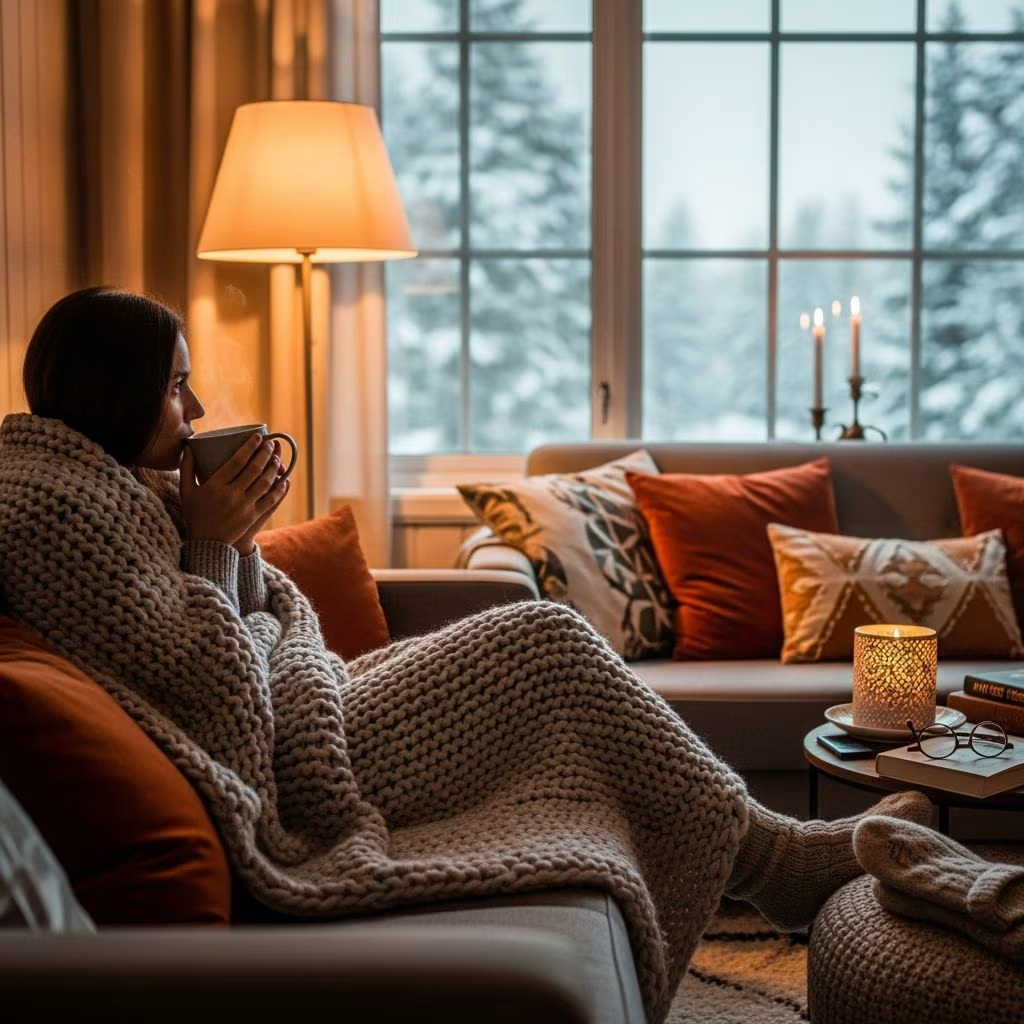
Blankets aren’t just for bed—they’re versatile insulators for daily use. Drape heavy quilts or fleece blankets over yourself while lounging, working, or even sleeping during the day on extreme cold days. This traps your body’s radiant heat efficiently.
- Daytime cocooning: Stay under multiple layers while reading or watching TV to retain warmth without ambient heating.
- Bed fortification: Layer wool blankets, down comforters, and fleece throws on beds. A fleece blanket over your head (with breathing space) can mimic a sleeping bag effect.
- Pet companionship: Cuddling with pets adds shared body heat for extra coziness.
Combine with hot water bottles or microwavable rice socks placed at your feet or back for targeted warmth that lasts hours. This approach keeps core body temperature stable, reducing the urge to turn up the heat.
Seal Drafts and Insulate Windows
Drafts are silent heat thieves, siphoning warmth through tiny gaps. Inspect doors, windows, outlets, and baseboards for air leaks. Use weatherstripping, door sweeps, or rolled towels to block them temporarily.
- Plastic sheeting on windows: Apply clear plastic film kits over frames to create an insulating air barrier, reducing heat loss by up to 30% per the U.S. Department of Energy.
- Heavy curtains or blankets: Hang thermal curtains or blankets over windows and doors at night; open them during sunny days for solar gain.
- Outlet insulators: Insert foam gaskets behind electrical outlet covers to plug sneaky leaks.
For floors and ceilings with poor insulation, lay down rugs, carpets, or blankets. These simple fixes can make rooms feel dramatically warmer without any energy use.
Harness Passive Solar Heat
Let the sun do the work. South-facing windows capture maximum sunlight in the northern hemisphere. Open curtains during peak sun hours (10 AM-3 PM) to let rays warm interior surfaces, which radiate heat back into the room.
- South-facing rooms: Migrate to these spaces during the day; they stay naturally 5-10°F warmer.
- Dark surfaces inside: Place dark rugs or furniture near windows to absorb and hold solar heat.
- Nighttime reversal: Close insulated curtains promptly after sunset to lock in the day’s warmth.
This passive technique, endorsed by energy.gov, can offset heating needs significantly in sunny winters.
Optimize Cooking and Hot Drinks
Generate ambient heat while nourishing yourself. Cooking stews, baking bread, or simmering soups on the stove or in the oven releases warmth that lingers for hours.
- Oven afterheat: Leave the door cracked post-baking to distribute residual heat safely.
- Hot beverages: Sip tea, coffee, or herbal infusions frequently; they raise core body temperature from the inside out.
- Steamy showers: A hot shower humidifies and warms the bathroom, providing a cozy retreat.
Bonus: Use the kitchen as a gathering spot to concentrate warmth where people are.
Concentrate Heat in One Room
Heat the people, not the house. Close off unused rooms and focus warmth in living areas like the kitchen or bedroom.
- Blanket barriers: Hang blankets over doorways to isolate warm zones.
- Tent or fort: Pitch an indoor tent or build a blanket fort around a seating area for hyper-efficient micro-heating.
- Safe heat sources: If needed, use a wood stove, rocket stove, or vented portable heater sparingly.
A programmable thermostat set to 55°F in unused areas prevents wasted energy, per ENERGY STAR recommendations.
Boost Circulation and Activity
Stay active to generate internal heat. Do jumping jacks, yoga, or household chores to get blood flowing. A quick 10-minute routine can raise your temperature noticeably.
- Mindset matters: Positive thinking and relaxation reduce perceived coldness.
- Sleep warmly: Use electric mattress pads on low if available—they warm from below efficiently.
Combine with layering for sustained comfort.
Advanced Tips for Extreme Cold
For power outages or sub-zero temps:
- Wood or rocket stoves: Vent properly outdoors for safe, effective heating.
- Solar generators: Power essentials quietly without fumes.
- Ceiling blankets: Drape over exposed areas to block rising heat loss.
| Method | Cost | Heat Gain | Best For |
|---|---|---|---|
| Layering Clothes | $0-50 | High (personal) | Daily use |
| Window Plastic | $10-20 | Medium (room) | Drafty homes |
| Passive Solar | $0 | High (sunny days) | South-facing rooms |
| Blanket Fort | $0 | Very High (localized) | Nights/outages |
Frequently Asked Questions (FAQs)
Q: How low can I safely set my thermostat?
A: Aim for 60-68°F when home, 55°F when away or asleep to avoid frozen pipes, per U.S. Department of Energy guidelines.
Q: Are hot water bottles safe for all-night use?
A: Yes, in a cover to prevent burns; they provide 4-6 hours of gentle warmth.
Q: Can I unplug my fridge in extreme cold?
A: If outdoor temps keep it below 40°F safely, yes—but monitor food temps closely to avoid spoilage.
Q: What’s the best fabric for indoor winter wear?
A: Fleece and wool excel at trapping air for insulation without bulk.
Q: How do I prevent pipes from freezing without heat?
A: Insulate exposed pipes with foam sleeves and let faucets drip slightly in cold snaps.
References
- Standard 55: Thermal Environmental Conditions for Human Occupancy — ASHRAE. 2023-06-01. https://www.ashrae.org/technical-resources/bookstore/standard-55-thermal-environmental-conditions-for-human-occupancy
- Winterizing Your Home — U.S. Department of Energy. 2024-10-15. https://www.energy.gov/energysaver/winterizing-your-home
- Programmable Thermostats — ENERGY STAR (U.S. EPA). 2025-01-10. https://www.energystar.gov/products/programmable_thermostats
- Energy Efficient Home Design — U.S. Department of Energy. 2024-11-20. https://www.energy.gov/energysaver/energy-efficient-home-design
This article is general information, not personal financial advice. Consider your own situation, or speak with a licensed adviser, before acting on it.


