

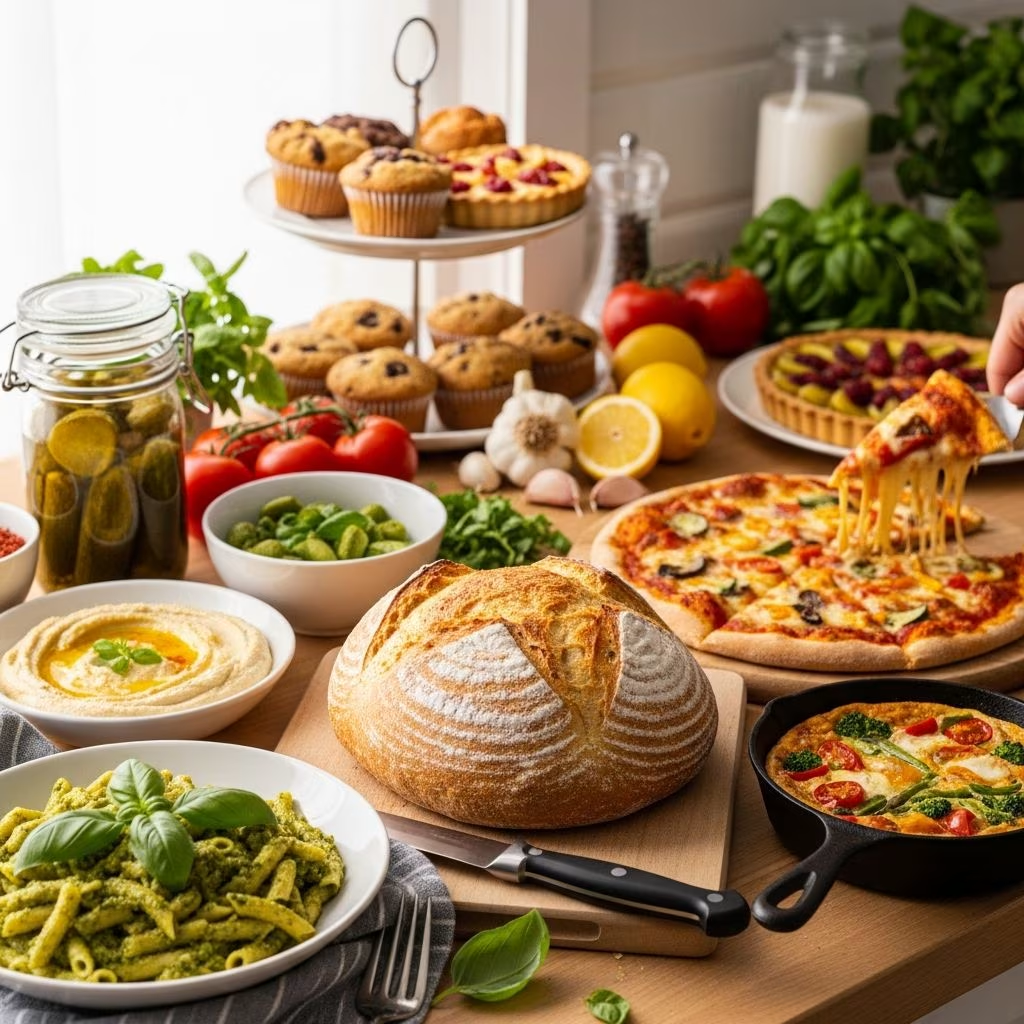
Making food from scratch is a smart way to stretch your budget, control what goes into your meals, and enjoy fresher tastes. Store-bought versions often come with hidden additives, high prices, and less flavor. This guide covers 13 foods you can easily prepare at home, with tips, recipes, and savings insights drawn from expert advice and home cooks. Whether you’re a beginner or seasoned maker, these ideas will help you eat better for less.
Sandwiches
Sandwiches are a lunch staple, but pre-made ones from delis or stores can cost $5–$10 each and often contain preservatives. Making your own lets you use fresh, seasonal ingredients and customize to your taste. Start with quality bread—consider baking your own (see bread tips below)—and layer on veggies, lean proteins, and homemade spreads like hummus or mustard.
- Cost savings: A homemade sandwich costs under $2 using bulk buys.
- Tip: Prep fillings in advance: grill chicken, slice veggies, and store in portions for grab-and-go assembly.
- Recipe idea: Whole-grain bread, turkey, avocado, lettuce, tomato, and a drizzle of homemade vinaigrette.
Buy produce in season from farmers markets for peak freshness and lowest prices. Avocados, for example, are affordable now and perfect for creamy spreads.
Applesauce
Store applesauce jars run $2–$4 for small sizes, packed with sugar and thickeners. Homemade uses just apples, water, and optional cinnamon, cooked down in 20 minutes. Use a food mill for smooth texture or blend for chunky style.
- Pro tip: Keep pinkish apple skins on for naturally vibrant color—no dyes needed.
- Savings: 10 pounds of apples ($10) yield gallons, far cheaper than organic store brands.
- Variations: Add pears or berries for mixed fruit sauce; freeze in portions.
It’s kid-friendly and versatile for baking or oatmeal.
Hummus and Other Dips
Hummus costs $4+ per tub, but homemade with beans, spices, and vinegar is about $1.50 per batch. Blend chickpeas (cooked from dry), tahini, garlic, lemon, and olive oil. Experiment with beet, roasted red pepper, or spinach versions.
- Expert insight: Nicole Truog notes full ingredient control avoids store preservatives.
- Other dips: Make baba ganoush from eggplant or spinach-artichoke for parties.
- Storage: Lasts a week in the fridge; freeze extras.
Pressure cook dry beans to slash costs further.
Peanut Butter
Jars cost $5+, but blend roasted peanuts, a touch of oil, honey, and salt in minutes for natural taste kids love. No stabilizers or sugars like in commercial brands.
- Recipe: 3 cups peanuts, 1 tsp oil, 1 tbsp honey. Process until smooth.
- Savings: $5 peanuts make multiple jars.
- Twists: Add chocolate, cinnamon, or flaxseeds for nutrition.
Family involvement makes it fun and educational.
Smoothies and Protein Drinks
Juice bar smoothies hit $5–$8; home versions use 50 cents in fruit, milk, yogurt, wheat germ, and nutritional yeast. Blend frozen bananas for creaminess.
- Comedian Jim Dailakis’ hack: Protein-packed for post-workout fuel.
- Ideas: Berry blast, green detox, or peanut butter banana.
- Tip: Buy frozen fruit on sale; portion into bags.
Nutritional yeast adds B vitamins cheaply.
Bacon
Homemade bacon starts with pork belly cured at home, smoked or oven-baked. It’s cheaper than artisanal brands ($10+/lb) and free of nitrates.
- Basic cure: Salt, sugar, Prague powder #1; cure 7 days, smoke 4–6 hours.
- Savings: Half the price of gourmet.
- Alternative: Canadian bacon from pork loin.
Requires planning but yields thick, flavorful strips.
Beans and Grains
Canned beans cost 25–40% more than home-cooked; pressure cooking saves time and money. Cook rice, quinoa, or lentils in bulk.
- Jill Nussinow’s method: Pressure cooker for brown rice halves frozen rice costs.
- Storage: Freeze in portions.
- Benefits: Fresher, no BPA cans.
Soak overnight for even cooking.
Soup
Pre-made soups are pricey ($3–$5/can); simmer stock from scraps with veggies and herbs. Make large batches for freezing.
- Ideas: Minestrone, chicken noodle, lentil.
- Tip: Use veggie peels for stock base.
- Savings: Pennies per serving.
Seasonal veggies keep it cheap.
Salad Dressing
Bottles cost $3+; whisk balsamic vinegar, oil, mustard, and honey in 30 seconds. Endless variations.
- Base recipe: 3:1 oil-vinegar ratio, salt, pepper.
- Flavors: Ranch, Caesar, Asian ginger.
- Pro: No emulsifiers.
Michele Anna Jordan inspires vinaigrette mastery.
Pasta Sauce
Skip jars ($3+); blend canned tomatoes with garlic, oil, herbs, or use fresh farmers market produce.
- Phil Lempert’s hack: Crushed tomatoes + pantry staples.
- Tip: Freeze cherry tomatoes blended for salsa-like sauce.
- Variations: Pesto, alfredo from scratch.
Roast veggies for depth.
Hash Browns
Store bags $2–$3; bake potatoes on sale, shred, and freeze for $1.60/six servings.
- Jen Brewer’s method: Kids help peel; fridge overnight.
- Cook: Pan-fry with onion.
- Alternatives: Sweet potato version.
Perfect breakfast side.
Guacamole
Avocados are cheap in season; mash with lime, onion, cilantro, tomato. $2 serves four vs. $5 store tub.
- Classic recipe: 4 avocados, 1 onion, 2 tomatoes, jalapeño.
- Tip: Add Greek yogurt for creamy dip.
- Storage: Press plastic wrap on surface to prevent browning.
Fresh and addictive.
Other Favorites: Salsa, Trail Mix, Protein Bars
Expand with easy wins: fresh salsa from tomatoes ($1/pint), custom trail mix (nuts, seeds, dried fruit), and no-bake protein bars (oats, peanut butter, honey).
- Salsa: Blend marked-down tomatoes.
- Trail mix: Bulk bins save 50%.
- Bars: Melt, mix, chill; add chocolate chips.
Bonus: Bread, yogurt, broth, granola—scald milk for yogurt, simmer bones for broth.
General Tips for Success
- Buy seasonal, bulk, on-sale items.
- Invest in tools: blender, pressure cooker, food processor.
- Batch cook and freeze.
- Grow herbs/veggies for ultra-savings.
| Food | Store Cost | Home Cost | Savings % |
|---|---|---|---|
| Hummus | $4 | $1.50 | 62% |
| Peanut Butter | $5 | $1.50 | 70% |
| Smoothie | $5–$8 | $0.50 | 90% |
| Beans | Canned $2 | $1.20 | 40% |
Use whole grains and veggies for nutrition, as in frugal diets emphasizing variety. No-knead bread adds chewy homemade loaves easily.
Frequently Asked Questions (FAQs)
Q: Is homemade always cheaper?
A: Yes, for bulk items like these, especially with sales and tools like pressure cookers. Initial time investment pays off long-term.
Q: How do I store homemade items?
A: Fridge for 3–7 days, freezer up to 3 months in portions. Label dates.
Q: What if I lack time?
A: Batch on weekends; many recipes take under 30 minutes.
Q: Can kids help?
A: Absolutely—peeling potatoes, blending smoothies builds skills and fun.
Q: Are there health benefits?
A: Fewer additives, fresher ingredients support balanced diets with veggies and grains.
References
- 13 Foods You Should Make Yourself — Wise Bread. 2010 (enduring frugal advice). https://www.wisebread.com/13-foods-you-should-make-yourself
- Healthy, Frugal Eating — Wise Bread (USDA-aligned guidelines). 2010. https://www.wisebread.com/healthy-frugal-eating
- No-Knead Bread Recipe — The Odd Pantry. Accessed 2026. https://theoddpantry.com/tag/food-blog/
This article is general information, not personal financial advice. Consider your own situation, or speak with a licensed adviser, before acting on it.


