

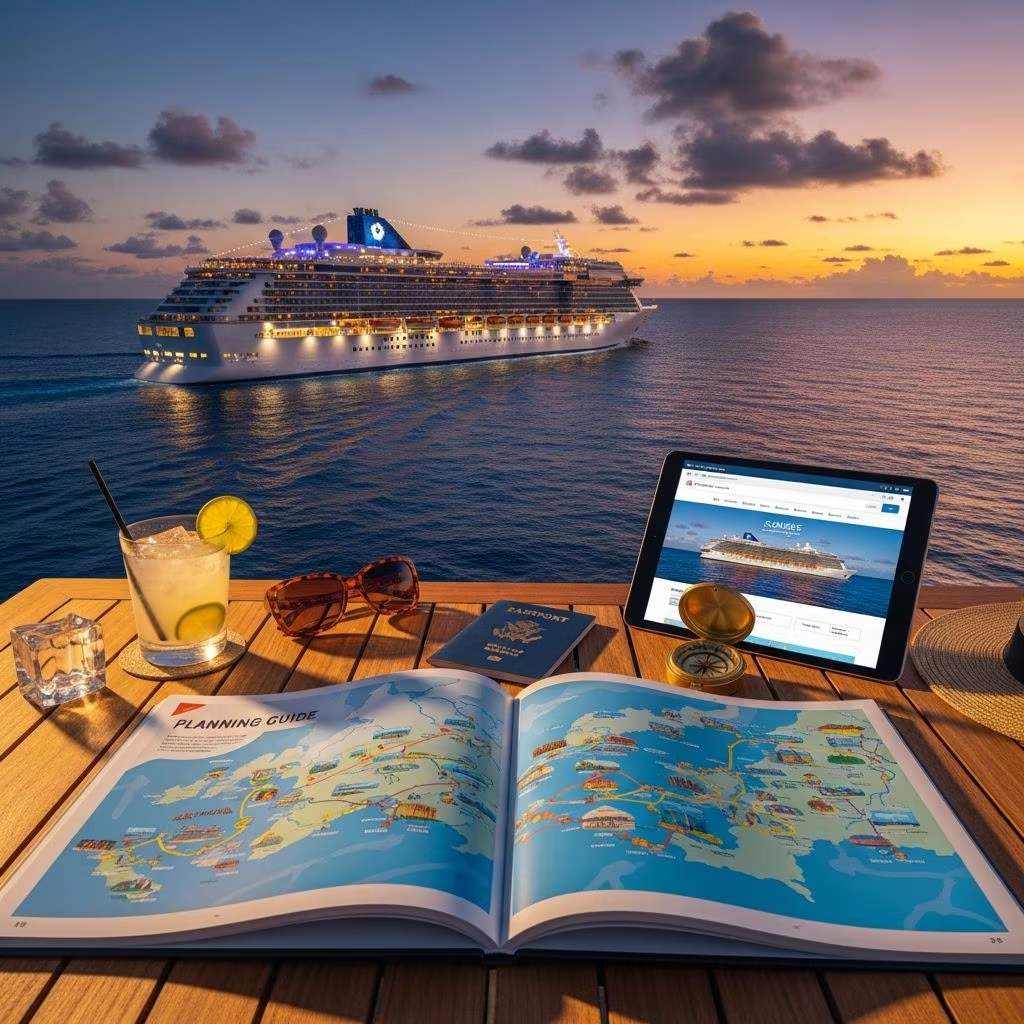
Planning a cruise vacation offers a unique blend of relaxation, exploration, and luxury, where you unpack once and enjoy multiple destinations. This guide provides a step-by-step roadmap for beginners, drawing from proven strategies to ensure a stress-free experience.
Establishing Your Financial Framework
The foundation of any successful cruise lies in setting a realistic budget early. Consider all elements: base fare, travel to the port, onboard extras like drinks and spa treatments, shore activities, gratuities, and potential upgrades. Average costs vary by destination and duration, but short Caribbean trips start around $500 per person, while longer voyages can exceed $3,000.
- Base Cruise Fare: Covers cabin, most meals, and entertainment.
- Pre-Cruise Travel: Flights or drives to departure ports like Miami or Seattle.
- Onboard Spending: Wi-Fi, specialty dining, alcohol packages.
- Excursions and Gratuities: Port adventures and daily tips for crew.
To optimize, use cruise line deal trackers and book during wave season (January-March) for discounts up to 50%. Track expenses with apps or spreadsheets to avoid surprises.
Selecting Ideal Destinations and Durations
Match your itinerary to available time off, interests, and weather preferences. Popular regions include the Caribbean for sunny beaches, Alaska for wildlife, and Europe for history.
| Region | Best Season | Typical Duration | Highlights |
|---|---|---|---|
| Caribbean/Bahamas | November-April | 3-7 days | Beaches, snorkeling |
| Alaska | May-September | 7-14 days | Glaciers, wildlife |
| Mediterranean | May-October | 7-12 days | Ancient ruins, cuisine |
| Mexico/Pacific Coast | October-May | 4-7 days | Cultural sites, resorts |
Beginners should start with 3-5 day trips from nearby ports to minimize travel time and test the cruise lifestyle. Factor in vacation days needed, including buffer for flights.
Navigating Cruise Lines and Ship Options
Over 350 ships sail worldwide, each with distinct vibes. Family-focused lines like Royal Caribbean offer water parks and kids’ clubs, while luxury options like Viking emphasize adults-only serenity.
- Mass-Market: Carnival, Norwegian – Affordable, fun activities for all ages.
- Premium: Celebrity, Holland America – Enhanced service, better food.
- Luxury: Seabourn, Regent – All-inclusive, personalized experiences.
Research via official sites: review deck plans, recent passenger feedback, and onboard features like rock climbing or theaters. Book 6-12 months ahead for prime sailings.
Choosing the Perfect Cabin
Cabins range from compact insides to spacious suites. Understand categories: interior (no windows, cheapest), oceanview (picture window), balcony (private outdoor space), and suites (extra perks like priority boarding).
Pro tips: Mid-ship locations reduce motion sickness; higher decks offer better views but more sway. For families, connecting cabins or family suites provide space.
| Cabin Type | Size (sq ft) | Pros | Cons | Avg. Price Premium |
|---|---|---|---|---|
| Interior | 150-200 | Budget-friendly | No natural light | Base |
| Oceanview | 180-250 | Sea views | Limited vistas | +20% |
| Balcony | 200-300 | Private deck | Smaller space | +50% |
| Suite | 300+ | Luxuries, perks | Expensive | +100%+ |
Booking Excursions and Onboard Packages
Enhance your trip with pre-booked shore tours via the cruise planner for guaranteed spots and group rates. Independent options like local operators can save 30-50% but require timing coordination.
Packages bundle value: beverage plans ($50-100/day), dining credits, Wi-Fi. All-inclusives simplify budgeting for drinks and tips.
- Book excursions 1-3 months out.
- Prioritize must-dos like zip-lining in Mexico or glacier hikes in Alaska.
- Check cancellation policies.
Pre-Cruise Preparations and Travel Logistics
Arrive at the port a day early to avoid flight delays – book hotels with shuttle services. Set up online accounts for reservations, menus, and upgrades.
Gather documents: passport (valid 6+ months post-trip), visas if needed, travel insurance covering medical evacuations ($100-300/person).
Managing Payments and Rewards
Use credit cards with no foreign transaction fees and cruise-specific rewards for cashback on fares (2-5%). Pay deposits early for best rates; final payments due 60-90 days prior. Track onboard charges via daily statements to control spending.
Embarkation Day and Onboard Essentials
Expect security like airports: liquids in 3oz containers. Arrive during priority windows; luggage is tagged and delivered. Download apps for schedules, maps, and payments.
Pack smart: formal attire for dinners, reef-safe sunscreen, power strips (non-surge), medications. Laundry services available onboard.
Daily Life Aboard: Dining, Activities, and Relaxation
Meals span buffets (casual), main dining rooms (assigned seating), and specialty venues (extra fee). Activities include shows, pools, fitness classes, casinos.
- Reserve popular shows early.
- Explore at sea days fully.
- Tip crew $15-20/day/person.
Disembarkation and Post-Cruise Reflections
Pack night before; select self-assist or tagged luggage. Early walkers exit first. Arrange transfers home. Review for future loyalty perks.
Frequently Asked Questions
What’s the best first cruise for families?
Opt for Royal Caribbean or Disney on 4-7 day Caribbean routes with kids’ programs.
Do I need a passport for Caribbean cruises?
Birth certificate suffices for closed-loop U.S. sailings; passport recommended.
How much to budget for extras?
Plan $100-200/day/person for drinks, excursions, shopping.
Are cruises all-inclusive?
Most cover meals/entertainment; premium drinks, Wi-Fi extra unless packaged.
Can I bring my own alcohol?
Usually one bottle per adult at embarkation; no onboard consumption.
References
- A Beginner’s Guide to Choosing the Perfect First Cruise — CruiseDirect. 2023. https://www.cruisedirect.com/blog/posts/a-beginners-guide-to-choosing-the-perfect-first-cruise
- Beginner’s Guide to Planning a Cruise — Eat Sleep Cruise. 2024. https://eatsleepcruise.com/beginners-guide-to-planning-a-cruise/
- 6 Smart Steps to Planning a Cruise — NerdWallet. 2025-02-01. https://www.nerdwallet.com/travel/learn/planning-a-cruise
- 7 Essential Steps for Planning a Cruise Vacation — Join Me In Transit. 2018-02-26. https://joinmeintransit.com/2018/02/26/7-essential-steps-in-planning-a-cruise-vacation/
- How To Plan A Cruise For The First Time — Royal Caribbean. 2024. https://www.royalcaribbean.com/guides/how-to-plan-a-cruise-for-the-first-time-tips
- A Beginner’s Guide to Cruising — Adventures Await. 2025-05-20. https://adventuresawait.blog/2025/05/20/a-beginners-guide-to-cruising/
This article is general information, not personal financial advice. Consider your own situation, or speak with a licensed adviser, before acting on it.


