

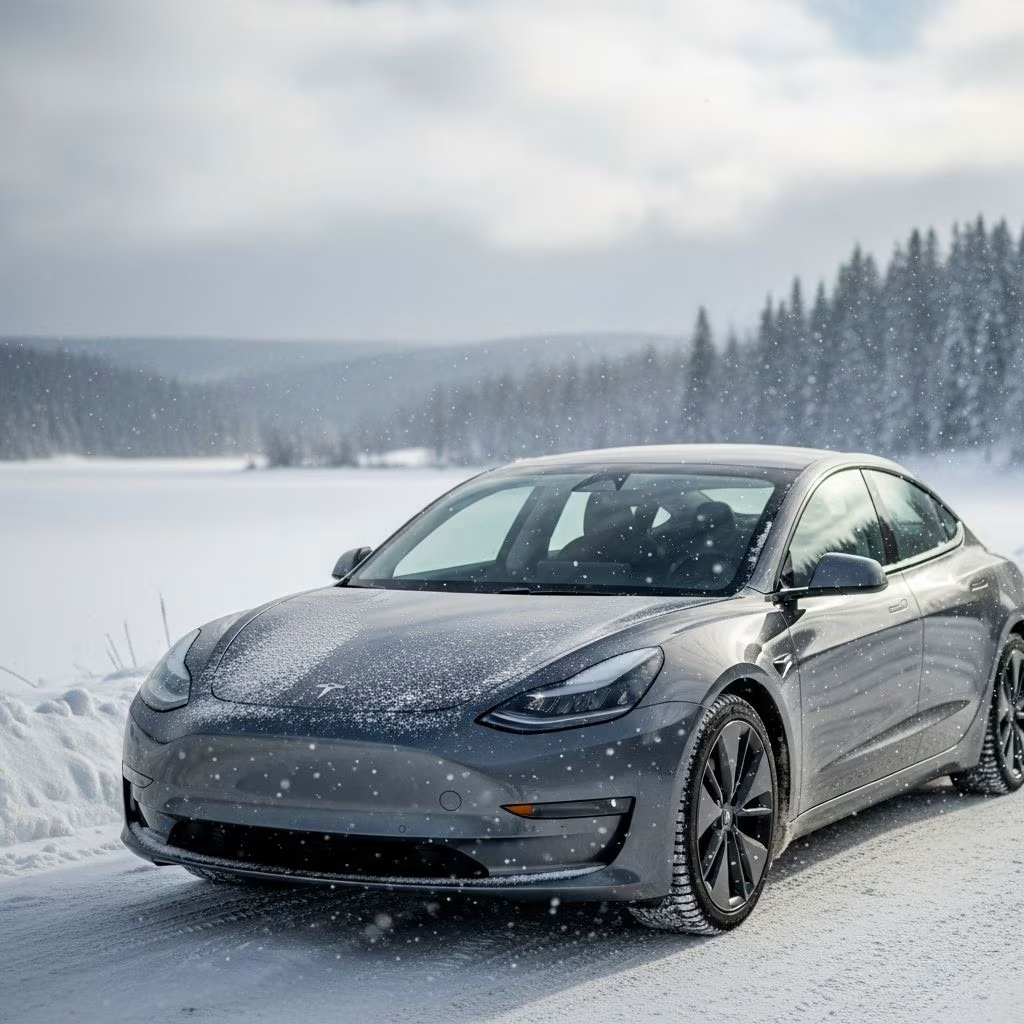
Electric vehicles offer remarkable efficiency and low operating costs year-round, but cold weather poses unique challenges like reduced battery range and slower charging. This guide provides actionable strategies to ensure your EV performs reliably through winter, drawing from manufacturer recommendations and energy experts.
Understanding Cold Weather Effects on EV Batteries
Lithium-ion batteries in EVs experience capacity loss in low temperatures because chemical reactions slow down below optimal levels. Range can drop by 20-40% in freezing conditions, primarily due to increased internal resistance and energy demands for heating. Cabin heating further strains the battery, as it draws significant power compared to propulsion alone.
- Battery efficiency peaks between 20°C and 40°C; below freezing, performance declines sharply.
- Cold batteries charge slower, as the battery management system limits input to prevent damage.
- Prolonged exposure to sub-zero temperatures risks reduced lifespan if not managed properly.
To counteract these issues, prioritize keeping the battery at moderate temperatures through smart parking and preconditioning routines.
Optimal Parking and Storage Practices
Where you park your EV significantly influences its winter readiness. Indoor storage is ideal, as it shields the vehicle from extreme cold and precipitation.
- Garage parking: Maintains ambient temperatures closer to optimal, preserving range and battery health.
- Covered spaces or carports: Offer protection from snow accumulation and wind chill.
- Sunny outdoor spots: Absorb natural solar heat during daylight hours to gently warm the battery.
For outdoor charging setups, protect connectors from ice buildup using magnetic covers or insulated bags. Always follow manufacturer guidelines for hanging chargers to avoid freezing.
Mastering Preconditioning Techniques
Preconditioning warms the battery and cabin using grid power rather than battery reserves, preserving driving range. Most EVs allow this via apps, key fobs, or scheduled departure times.
- Plug in the vehicle overnight.
- Set preconditioning for 20-30 minutes before departure to reach ideal temperatures.
- Use heated seats and steering wheels post-preheat for efficient personal comfort, minimizing full HVAC use.
This practice not only boosts range by up to 10-15% but also enhances charging speeds at stations by optimizing battery temperature.
Smart Charging Habits for Winter
Winter charging requires planning to maximize efficiency and battery safety. Aim for 80-100% charge levels before cold mornings, timing sessions to end near departure.
| Scenario | Recommended Charge Level | Timing Tip |
|---|---|---|
| Daily Commute | 80-100% | Charge overnight, finish by morning. |
| Extended Storage | 70-80% | Avoid full discharge; monitor weekly. |
| Public Fast Charging | Precondition en route | Use navigation for auto-prep. |
Keep batteries above 20% at all times to reserve power for emergencies like cabin heating. In sub-zero weather, some models activate automatic battery heaters when plugged in.
Tire Selection and Maintenance Essentials
Tires are critical for winter traction and efficiency. Cold air causes pressure drops of 1 PSI per 10°F decline, increasing rolling resistance and energy use.
- Install winter tires: Provide superior grip on snow and ice compared to all-seasons.
- Check pressure weekly: Refer to door jamb sticker for cold-weather specs.
- Minimize weight: Brush off snow before driving to reduce drag.
Many EVs feature all-wheel drive, enhancing snow performance when paired with proper tires.
Efficient Driving and Energy Management
Adopt driving habits that conserve battery power in winter. Moderate speeds and eco modes reduce consumption significantly.
- Activate ECO or battery saver modes to optimize HVAC and limit aggressive acceleration.
- Use regenerative braking judiciously: Consult manual for icy road settings.
- Plan routes with navigation: Auto-preconditions for charging stops, saving time.
Avoid high speeds, as aerodynamic drag escalates energy draw in cold, dense air.
Protecting Charging Infrastructure
Home chargers face winter vulnerabilities like frozen ports. Insulate exposed components and clear snow regularly.
- Use connector covers to prevent ice locks.
- Charge during milder evening hours if possible.
- For road trips, select stations with preconditioning integration.
Public chargers may take longer in cold; factor in extra time for sessions.
Advanced Winter Modifications
Some owners enhance EVs for harsh winters. Lift kits increase ground clearance for deep snow, while thermal battery blankets add insulation. Verify compatibility with your model through dealers.
Common Misconceptions About EVs in Winter
EVs excel in snow with AWD and instant torque, outperforming many gas vehicles when prepared. Unlike ICE cars, they produce no exhaust, making indoor warm-ups safe.
FAQs
Do EVs lose significant range in winter?
Yes, expect 20-40% reduction due to cold batteries and heating demands, but preconditioning mitigates much of this.
Should I preheat my EV in the garage?
Absolutely, while plugged in—it’s fume-free and uses external power.
Are winter tires necessary for EVs?
Highly recommended for optimal traction, especially in snow; they also improve range via lower resistance.
How often should I check tire pressure?
Weekly in winter, as cold causes rapid drops affecting efficiency.
Can I store my EV with low charge in winter?
No, maintain at least 20-70% to protect the battery from cold damage.
Seasonal Checklist for EV Owners
- Pre-Departure: Precondition while plugged in; use seat/steering heat.
- Daily: Monitor charge >20%; check tire pressure.
- Weekly: Inspect charger for ice; clear snow from vehicle.
- Monthly: Review driving data for efficiency trends.
References
- Seasonal Maintenance Checklist For Electric Vehicles — Jones Ford Verde Valley. 2023. https://www.jonesfordverdevalley.com/ford-evs-seasonal-checklist
- How can I maximize my Ford Electric Vehicle’s range during winter? — Ford. 2024. https://www.ford.com/support/how-tos/electric-vehicles/electric-vehicle-maintenance/how-can-i-maximize-my-electric-vehicles-range-during-winter/
- Tips for Driving Your EV in the Winter — GreenCars. 2023. https://www.greencars.com/expert-insights/tips-for-driving-your-ev-in-the-winter
- Tips for EV Maintenance in the Winter — East Hills CDJR. 2023. https://www.easthillsjeep.com/tips-for-ev-maintenance-in-the-winter.htm
- Winterizing Your Electric Vehicle — Department of Energy. 2024-01-15. https://www.energy.gov/articles/winterizing-your-electric-vehicle
- Your Guide to Electric Vehicles in Winter — Drive Electric Vermont. 2023. https://www.driveelectricvt.com/blog/your-guide-to-electric-vehicles-in-winter
- Winter Tips for Electric Vehicle Owners — Efficiency Maine. 2023. https://www.efficiencymaine.com/winter-tips-for-electric-vehicle-owners/
This article is general information, not personal financial advice. Consider your own situation, or speak with a licensed adviser, before acting on it.


