

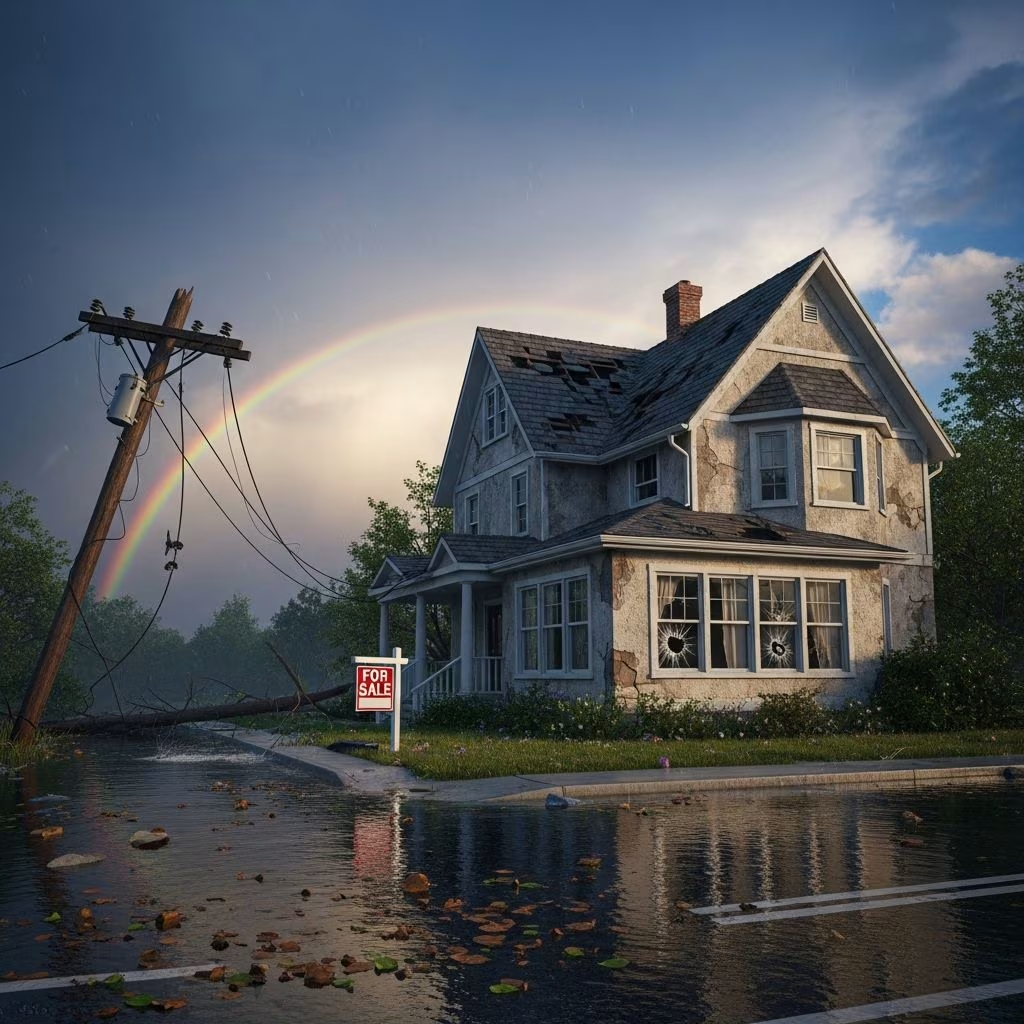
Standard homeowners insurance policies provide protection against many weather-related perils, but coverage varies significantly by event type, location, and policy specifics. Understanding these nuances is crucial for homeowners facing increasing natural disaster risks due to climate patterns.
Core Elements of Coverage in Standard Policies
Most basic homeowners policies safeguard against sudden damages from common weather events. These include wind-driven destruction, hail impacts, lightning-induced fires, and wildfires under certain conditions. For instance, wind and hail account for a substantial portion of claims, often the leading cause of property losses.
- Wind and Hail: Policies generally cover repairs to roofs, siding, and windows damaged by storms or tornadoes. High winds from hurricanes may also qualify, though coastal regions often impose special rules.
- Fire and Lightning: Damage from wildfires or strikes is typically included, covering structural repairs and personal items within limits.
- Weight of Ice or Snow: Collapse from accumulated winter loads on roofs is protected in many policies.
These protections apply to the dwelling, detached structures like garages, and personal belongings, but always verify your declarations page for exact terms.
Major Exclusions: Floods and Earthquakes
Not all disasters fall under standard coverage. Floods and earthquakes demand separate policies due to their widespread, predictable nature in prone areas. Flood damage from rising waters, storm surges, or heavy rains is explicitly excluded, as is ground-shaking from seismic activity.
| Disaster Type | Standard Coverage? | Alternative Option |
|---|---|---|
| Floods | No | National Flood Insurance Program (NFIP) or private flood policies |
| Earthquakes | No | Earthquake endorsement or standalone policy |
| Landslides/Mudflows | No | Specialized endorsements where available |
Earthquakes pose risks across 75% of U.S. states, yet standard policies omit them to manage insurer exposure. Flooding similarly affects millions annually, necessitating dedicated coverage.
Regional Variations in Protection Levels
Coverage adapts to local hazards. In wildfire-vulnerable states like California, standard fire protection holds, but premiums rise and exclusions may apply in extreme zones. Coastal Florida homeowners face hurricane deductibles, often 2-5% of dwelling value, separate from standard ones.
- California: High wildfire exposure; earthquake add-ons strongly advised.
- Florida: Windstorm policies or deductibles common for hurricanes; flood insurance vital.
- Tornado Alley (Midwest): Wind/hail covered, but elevated deductibles possible.
- Texas/Louisiana: Flood-prone; NFIP participation essential.
Insurers in high-risk zones may limit policies or require percentage-based deductibles, reflecting rising claims from intensified weather events.
Enhancing Protection with Add-On Coverages
To bridge gaps, consider endorsements or standalone policies. These extend standard limits for specific threats.
- Flood Insurance: Through NFIP or private markets, covers building and contents up to set limits; 30-day waiting period common.
- Earthquake Insurance: Protects against shaking damage; available as rider in most states, mandatory offer in California.
- Windstorm/Hurricane: Separate in coastal areas; covers wind but not water.
- Water Backup: Guards against sewer or sump overflows.
Review annually, especially as construction costs climb, to avoid underinsurance where dwelling limits fall short of rebuild expenses.
Filing Claims After a Disaster
Post-event steps ensure smooth reimbursement. Document damage immediately with photos, videos, and lists. Contact your insurer promptly, as time limits apply. Temporary repairs to prevent further loss are reimbursable if reasonable.
- Secure your property and ensure safety.
- Notify insurer within 24-48 hours.
- Prepare inventory of damaged items.
- Avoid permanent fixes until adjuster approval.
Expect an adjuster visit; disputes may require independent appraisal. Payouts cover actual cash value or replacement cost, per your policy.
Cost Factors and Premium Impacts
Natural disasters drive up rates in affected areas. Claims history, location risk, and coverage expansions influence quotes. High-risk zones see non-renewals or market withdrawals by carriers.
- Deductibles: Standard 1-2% for home; higher for named storms.
- Premium Hikes: Post-disaster increases common; shop multiple quotes.
- Mitigation Discounts: Fortified roofs or shutters can lower costs 10-30%.
Bundle policies or improve credit for savings, but prioritize comprehensive protection.
Climate Change and Evolving Risks
Intensifying storms, fires, and floods reshape insurance landscapes. Carriers adapt with restricted underwriting in vulnerable spots. Homeowners must proactively assess risks via FEMA maps or USGS data.
Underinsurance looms large as repair costs soar; aim for coverage matching current rebuild estimates, factoring inflation.
Frequently Asked Questions
Does home insurance cover tornado damage?
Yes, wind, hail, and debris from tornadoes are covered under standard policies, including roof repairs and interior water damage from openings.
Is wildfire damage included?
Typically yes, but exclusions apply in extreme-risk zones; check policy endorsements.
How do I get flood coverage?
Purchase via NFIP or private insurers; not an add-on to homeowners policy.
What about volcanic eruptions?
Ash, fire, and lava flow damage are covered; earthquakes or floods from them are not.
Can I add earthquake coverage anywhere?
Most states allow riders; California mandates the option from all insurers.
Proactive Steps for Homeowners
Annual policy reviews, risk mapping, and mitigation investments fortify resilience. Consult agents for personalized advice, ensuring alignment with your area’s threats.
References
- Natural disasters and home insurance: What’s covered? — Kin Insurance. 2023. https://www.kin.com/blog/natural-disasters-and-home-insurance/
- Which disasters are covered by homeowners insurance? — Insurance Information Institute (III). 2024-10-15. https://www.iii.org/article/which-disasters-are-covered-by-homeowners-insurance
- Does Homeowners Insurance Cover Natural Disasters? — Meyer & Associates Insurance. 2023. https://towson.meyerandassoc.com/blog/auto-home/does-homeowners-insurance-cover-natural-disasters/
- Are You Covered for a Natural Disaster? — AAA Insurance. 2024. https://www.ace.aaa.com/publications/insurance/are-you-covered-for-a-natural-disaster.html
- Does Home Insurance Cover Natural Disasters? — Farmers Insurance. 2024. https://www.farmers.com/learn/insurance-questions/does-home-insurance-cover-natural-disasters/
This article is general information, not personal financial advice. Consider your own situation, or speak with a licensed adviser, before acting on it.


