

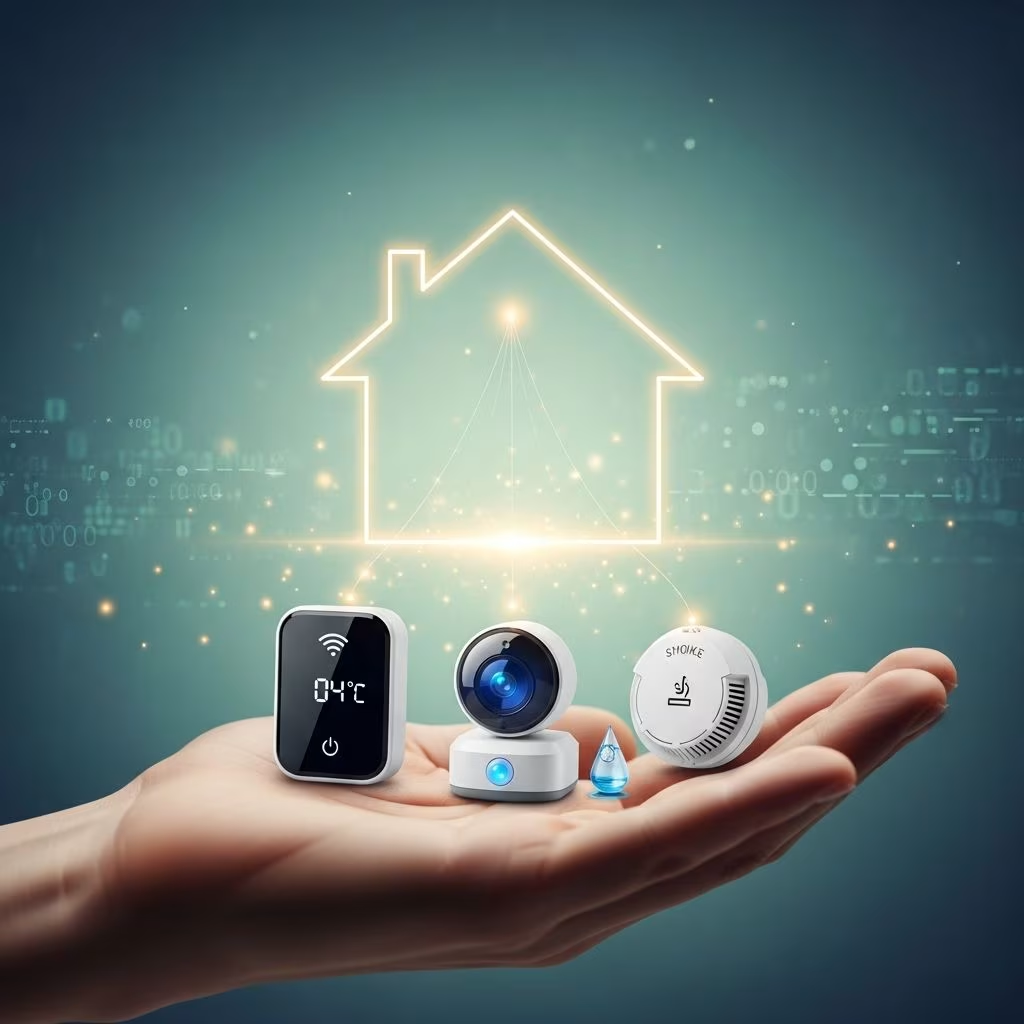
Smart home technology is revolutionizing how homeowners protect their properties and manage costs. By integrating devices that detect risks early, you can prevent damage from common hazards like water leaks, fires, and burglaries, often earning significant insurance discounts in the process. Insurers reward these proactive measures with premium reductions ranging from 5% to 20%, depending on the setup and provider.
The Rise of Preventive Home Insurance
Insurance models are shifting from reactive claims processing to proactive risk prevention. Traditional policies focused on payouts after disasters, but in 2026, carriers prioritize technologies that stop issues before they escalate. This change benefits everyone: fewer claims stabilize premiums, improve coverage availability, and make homes more secure.
Homeowners with connected devices gain an edge during underwriting and renewals. Properties equipped with monitoring tech are viewed as lower risk, potentially avoiding restrictions post-claim or securing better rates.
Key Smart Devices That Deliver Insurance Savings
Not all gadgets qualify equally. Insurers prioritize devices addressing high-cost claims like water damage (the top cause), fires, and thefts. Here’s a breakdown of top performers:
- Water Leak Sensors and Shutoff Valves: These detect moisture and automatically halt water flow, preventing floods. Discounts often reach 5-10%.
- Smart Smoke and Heat Detectors: Early fire alerts reduce damage spread. Many carriers offer 5-15% off for integrated systems.
- Monitored Security Systems: Cameras, locks, and alarms deter break-ins. Professional monitoring can yield up to 15-20% savings.
- Smart Thermostats: Prevent pipe freezing by maintaining temperatures. Some policies credit these for cold-weather risk reduction.
- Low-Temperature Alarms: Alert to drops that could burst pipes, complementing thermostats.
| Device Type | Risk Addressed | Typical Discount | Examples |
|---|---|---|---|
| Water Sensors | Leaks/Floods | 5-10% | Placed near appliances |
| Smoke Detectors | Fires | 5-15% | Whole-home integration |
| Security Systems | Theft/Burglary | 10-20% | Monitored with cameras |
| Thermostats | Frozen Pipes | 2-5% | Auto-adjust features |
How Discounts Are Calculated and Applied
Savings vary by insurer, device combo, and installation quality. A basic sensor might save 2-5%, while a full ecosystem could hit 20%. Carriers like Travelers provide specific protective device discounts for smart alerts on fires or burglaries. Comprehensive systems weighing multiple risks often maximize rebates.
Professional monitoring boosts eligibility, as real-time data proves risk reduction. Self-installed options work if certified, but check provider specs.
Steps to Unlock Your Smart Home Discount
- Review Your Policy: Contact your agent to list qualifying devices and current discount programs.
- Select Approved Tech: Choose insurer-vetted models; many publish lists.
- Install Properly: Ensure coverage of key areas like basements, kitchens, and entries. Professional help may be required.
- Submit Proof: Provide photos, receipts, or app screenshots showing active monitoring.
- Bundle for More Savings: Combine devices for layered discounts.
- Reassess Annually: Tech evolves; update for ongoing perks.
Enhancing Coverage for Connected Homes
Discounts are just the start. Standard policies may underinsure high-value smart gear. Consider add-ons like:
- Electronics endorsements for device replacement.
- Equipment breakdown for failures.
- Cyber coverage for hacks.
These fill gaps, ensuring full protection alongside savings.
Challenges and Considerations
While beneficial, smart tech introduces risks like cyber vulnerabilities or device failures. Insurers may require proof of functionality, and not all gadgets qualify—convenience items like smart fridges don’t count. Compatibility with home systems is key; mismatched setups could void discounts.
In high-risk areas, these devices might be near-mandatory for renewals post-claim. Always verify with your carrier.
Real-World Impact in 2026
By 2026, predictive monitoring lets insurers foresee issues, further incentivizing tech adoption. Texas and New Jersey carriers lead with sensor programs, but nationwide trends grow. Homeowners report easier approvals and stable rates.
FAQs
Do all insurers offer smart home discounts?
No, but major ones like Travelers do. Availability varies; inquire directly.
What’s the average savings?
5-20% on premiums, highest for security and water systems.
Can DIY installs qualify?
Often yes, if certified and functional. Professional preferred by some.
Are smart devices required for insurance?
Not yet, but increasingly expected after claims in risky homes.
How do I prove devices are active?
Share app data, photos, or monitoring logs with your agent.
Adopting smart devices positions your home as a low-risk asset, blending convenience, safety, and financial perks. Start small with high-impact sensors to test the waters and scale up for maximum insurance rewards.
References
- Is Your Smart Home Fully Protected? What Homeowners Insurance Covers in the Digital Age — Coughlin Insurance. 2025-06-15. https://coughlinis.com/is-your-smart-home-fully-protected-what-homeowners-insurance-covers-in-the-digital-age/
- Smart home insurance: Discounts, devices and tips — Higginbotham. 2025-08-20. https://www.higginbotham.com/blog/smart-home-insurance/
- Smart Home Technology & Homeowners Insurance in 2026 — OIA Now. 2026-01-10. https://www.oianow.com/post/smart-home-technology-homeowners-insurance
- Smart Home Tech: Unlocking Insurance Discounts — iProtect Insurance. 2025-11-05. https://iprotectinsurance.com/smart-home-tech-unlocking-insurance-discounts/
- Can Home Sensors Lower Insurance Costs in 2026? — Gearbrain. 2026-02-14. https://www.gearbrain.com/home-sensors-lower-insurance-2026-2674867367.html
- How Smart Tech Can Protect Your Home, Reduce Your Premium — NIA Coverage. 2025-09-22. https://www.niacoverage.com/how-smart-tech-can-protect-your-home-reduce-your-premium/
- How Smart Home Technology Helps Protect Your Home — Travelers Insurance. 2025-04-30. https://www.travelers.com/resources/home/smart-home/how-smart-home-technology-helps-protect-your-home
This article is general information, not personal financial advice. Consider your own situation, or speak with a licensed adviser, before acting on it.


