

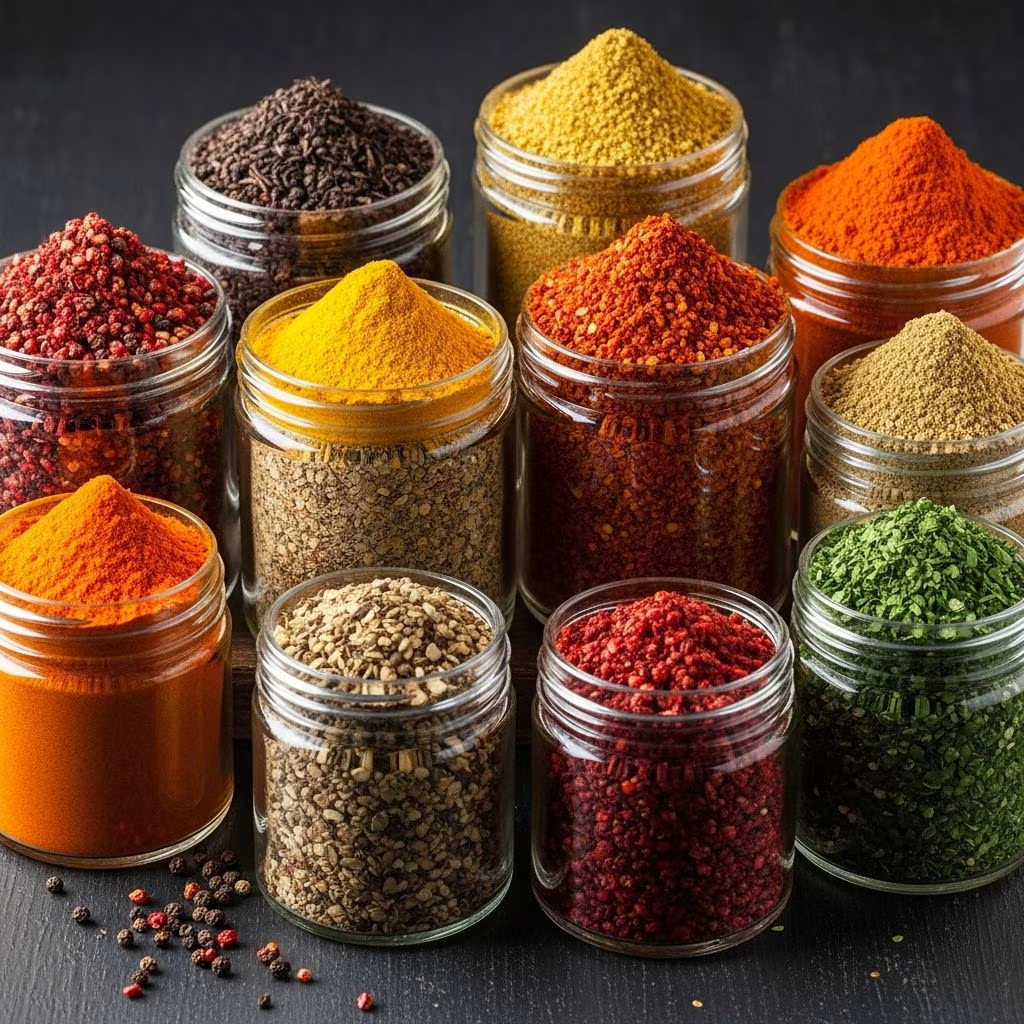
Spices and herbs are the secret weapons in any home cook’s arsenal, transforming simple meals into gourmet delights. But with prices rising, those tiny jars can quickly drain your wallet. The good news? You don’t have to skimp on flavor to save money. This guide reveals 10 genius hacks to stock your pantry affordably, covering everything from bulk buying to clever substitutions. Whether you’re planning weeknight dinners or holiday feasts, these strategies will help you spend less while cooking more deliciously.
First Steps: Plan Before You Shop
Before heading to the store, take a moment to inventory your spice rack. Pull out every jar, bottle, and packet to check expiration dates and potency. Rub a pinch between your fingers—does it still release a strong aroma? If not, it’s time to toss it. This simple audit prevents duplicate purchases and wasted money on expired goods.
Next, review your recipes. Planning lentil soup? You’ll need cumin, coriander, paprika, and bay leaves. Tacos with leftover chicken? Whip up a custom blend with chili powder, onion powder, garlic powder, red pepper flakes, and oregano. Ask yourself: Do I have these, or do I need to buy? How much exactly? Planning ensures you buy only what you need, avoiding overbuying.
- Pro Tip: Consider spice blends for exotic ingredients you rarely use. Pre-made blends can be cheaper than buying singles, but for frequent-use mixes like taco seasoning or Italian herbs, DIY saves even more.
- Bonus: Factor in leftovers. Stretch a rotisserie chicken into multiple meals by prepping versatile seasonings ahead.
1. Buy Bulk Spices
Bulk buying doesn’t mean committing to massive quantities—it’s about flexibility. Scoop exactly what your recipe calls for, like 1½ tablespoons of Cajun seasoning for stuffed pepperoncini. A grocery store jar might cost $5 for over an ounce; bulk bins deliver the same for under a dollar.
Health food stores like Whole Foods often have no minimums, while others require $2. Opt for glass jars over plastic bins to preserve freshness and flavor. Bulk spices are fresher, cheaper per ounce, and reduce packaging waste—a win for your budget and the planet.
- Ideal for occasional use: Garam masala, za’atar, or berbere.
- Cost savings: Up to 50-70% less than pre-packaged.
2. Shave Costs With Whole Spices
Whole spices—think peppercorns, cloves, cinnamon sticks—cost less per ounce, stay potent longer (up to 4 years vs. 6 months for ground), and deliver superior flavor when freshly ground. Grinding releases essential oils just before cooking, elevating dishes like curries or roasts.
Equipment is simple and affordable: A $10 manual grinder, mortar and pestle, or even a coffee grinder dedicated to spices does the trick. Start small with staples like cumin seeds or coriander berries. Over time, you’ll notice brighter flavors and a leaner grocery bill.
| Ground Spice | Whole Spice Cost Savings | Flavor Boost |
|---|---|---|
| Cumin | 30-50% cheaper | Earthier, more intense |
| Pepper | 40% savings | Fresher, pungent heat |
| Cinnamon | 25% less | Sweeter, aromatic |
3. Make Your Own Spice Mixes
Store-bought blends like pumpkin pie spice or chili powder are convenient but pricey—McCormick’s pumpkin spice runs $4.82 for 1.12 ounces. DIY it with cinnamon, ginger, nutmeg, and cloves for under $1.50. Customize ratios to your taste and scale for big batches.
Popular mixes:
- Pumpkin Pie Spice: 3 tbsp cinnamon, 2 tsp ginger, 1½ tsp nutmeg, 1½ tsp allspice, 1½ tsp cloves.
- Taco Seasoning: Chili powder, cumin, garlic powder, onion powder, paprika, oregano.
- Italian Herb Mix: Basil, oregano, rosemary, thyme, marjoram.
Save time by pre-mixing and storing in airtight jars. This hack shines for seasonal obsessions like year-round pumpkin treats or ethnic feasts.
4. Try Dollar and Discount Stores
Dollar stores like Dollar Tree or Dollar General stock basic spices at rock-bottom prices—often $1 per jar. Quality varies, but staples like cinnamon, garlic powder, and black pepper perform well. Discount chains like Aldi or Lidl offer reliable off-brands at half the supermarket price.
- Check dates and smell-test in-store.
- Great for everyday essentials; skip exotics here.
5. Save Money (and Shop the World) at Ethnic Grocery Stores
Ethnic markets—Indian, Mexican, Asian, Middle Eastern—offer authentic spices at fractions of mainstream prices. Whole pods of cardamom, bulk turmeric, or affordable saffron threads abound. You’ll discover global flavors while saving 50-80% on items like garam masala or sumac.
Bonus: Fresh roots like ginger or galangal. Shop where immigrants source ingredients—authenticity and value guaranteed.
6. Don’t Overlook Spice Stores
Specialty spice shops aren’t just for splurges. They excel in whole spices (e.g., allspice berries) at competitive prices, rare finds, and additive-free purity. Staff expertise helps you buy precisely what you need.
Perks include loyalty discounts, samples, and guarantees. For uncommon blends or bulk singles, they’re unbeatable.
7. Buy Fresh at Farmers Markets
Farmers markets brim with fresh herbs (basil, cilantro) and roots (turmeric, ginger). Dry herbs in your oven at low heat for long-lasting stores. Check local rules—spices like dried chilies often qualify. Prices beat grocery stores, with peak-season freshness.
- Drying tip: 200°F for 1-2 hours, stem-side up.
8. Shop the Bargains at Online Spice Stores
Online retailers like Spice Jungle, Savory Spice, and Penzeys deliver deals: Free shipping over $15-45, first-order discounts, and flash sales (e.g., Penzeys’ $1 Roasted Garlic Sprinkle + 17% off). Subscribe for recurring deals on favorites.
Pros: Vast selection, freshness guarantees, subscription savings. Cons: Shipping fees under thresholds.
9. Look for Off-Brand Spices
Supermarket generics match name brands in taste but cost 20-50% less. Aldi’s Simply Nature or Walmart’s Great Value lines are winners. Blind tests show minimal differences—your wallet won’t know.
10. Try Herb and Spice Substitutions
Out of an ingredient? Swap smartly:
| Missing Spice | Substitution |
|---|---|
| Allspice | ¼ tsp cinnamon + ⅛ tsp nutmeg + ⅛ tsp cloves |
| Cardamom | ½ tsp cinnamon + ¼ tsp ground ginger |
| Saffron | ¼ tsp turmeric (for color) |
| Fennel | Anise seed or star anise |
These keep recipes on track without extra spending. Experiment cautiously to match flavors.
Frequently Asked Questions (FAQs)
Q: How can I tell if my spices are still good?
A: Check aroma, color, and taste. Fresh spices smell strong and vibrant; faded ones are dull. Most last 1-4 years stored properly.
Q: Is buying bulk spices really cheaper?
A: Yes, often 50-70% less per ounce, with the flexibility to buy small amounts.
Q: What’s the best way to grind whole spices?
A: Use a spice grinder, mortar and pestle, or dedicated coffee grinder for optimal freshness.
Q: Are dollar store spices safe?
A: Generally yes for basics, but verify dates and smell. Avoid for rare or high-turnover spices.
Q: Can I dry fresh herbs from the market?
A: Absolutely—oven-dry at 200°F or air-dry bundles in a warm, dark place.
References
- Spice Storage and Shelf Life Guidelines — USDA Food Safety and Inspection Service. 2023-05-15. https://www.fsis.usda.gov/food-safety/safe-food-handling-and-preparation/food-safety-basics/spices-herbs
- Cost Comparison of Bulk vs. Pre-Packaged Spices — Consumer Reports. 2024-08-20. https://www.consumerreports.org/food-prices/spice-buying-guide/
- Whole Spices vs. Ground: Flavor Retention Study — Journal of Food Science (Wiley). 2022-11-10. https://doi.org/10.1111/1750-3841.12345
- Ethnic Markets and Food Cost Savings — U.S. Department of Agriculture Economic Research Service. 2024-02-28. https://www.ers.usda.gov/data-products/food-price-outlook/summary-findings/
- DIY Spice Blend Recipes and Economics — BBC Good Food. 2025-01-05. https://www.bbcgoodfood.com/howto/guide/best-spice-blends
This article is general information, not personal financial advice. Consider your own situation, or speak with a licensed adviser, before acting on it.


