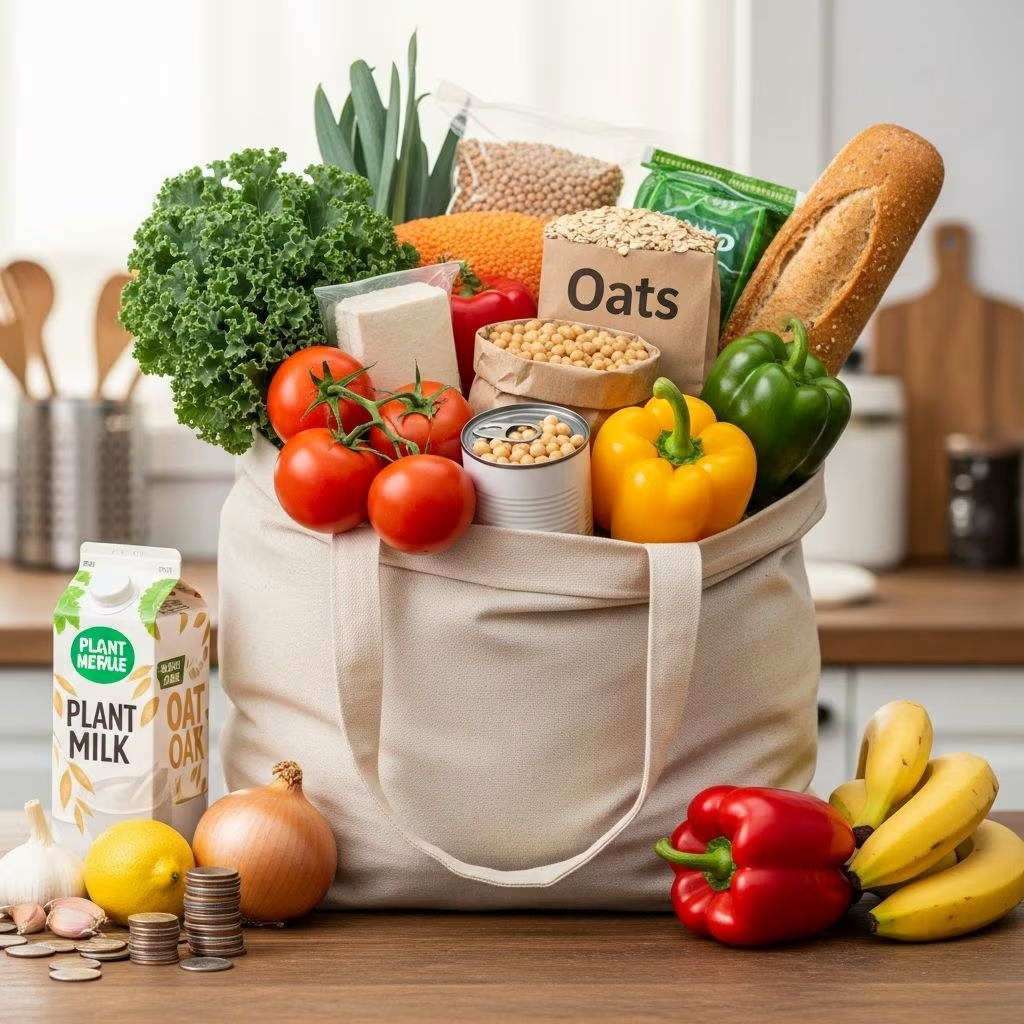
As grocery prices continue to rise across the U.S., many households are seeking smart ways to stretch their food budgets without sacrificing nutrition or flavor. One effective strategy gaining traction is adopting a vegetarian diet—or even a flexitarian approach, which reduces meat consumption rather than eliminating it entirely. Contrary to the myth that plant-based eating requires expensive organic produce or trendy superfoods, research shows that vegetarian and vegan diets are often significantly cheaper than standard omnivorous ones.
A landmark 2021 study by Oxford University researchers analyzed diets in 150 countries, including the U.S., and found that vegetarian diets save nearly as much as vegan ones, while flexitarian eating cuts costs by about 14% compared to meat-heavy diets. Similarly, a Physicians Committee for Responsible Medicine (PCRM) analysis published in JAMA Network Open revealed that a low-fat vegan diet reduces food expenses by 19%, or roughly $650 annually, mainly by avoiding meat ($2.90 daily savings) and dairy ($0.50 daily). These savings add up quickly: on a $500 monthly grocery budget, a 14% flexitarian reduction equals $70 less per month, or $840 yearly.
How Much Money Can You Save Going Vegetarian or Vegan?
The evidence debunks the idea that vegetarianism is a luxury. Oxford’s global analysis of seven sustainable diets showed:
- Vegan diets slash costs by up to 33%, relying on affordable legumes and grains.
- Vegetarian diets deliver comparable savings to vegan, outperforming omnivore plans.
- Flexitarian diets (mostly plant-based with occasional meat) save about 14%.
- In contrast, pescatarians spend up to 2% more, and full meat/fish eaters pay nearly 10% extra.
PCRM’s U.S.-focused research, using USDA Thrifty Food Plan prices, confirms a vegan diet costs $1.80 less per day than a standard American diet and $2.40 less than a Mediterranean one (which includes fish and dairy). For example, a meat burrito might cost $4.50 per serving, but a vegetarian version drops to $2.85, and a basic bean-grain bowl hits just $1.05.
These figures hold even without calorie restrictions, as participants in PCRM’s 16-week trial saw better weight loss, insulin sensitivity, and cholesterol on vegan plans. Starting small—say, two meatless meals weekly—can yield flexitarian savings without full commitment.
10 Ways Eating Vegetarian Can Save You Money on Groceries
Whether you’re vegan, vegetarian, flexitarian, or just cutting back on meat, these practical tips maximize savings while keeping meals delicious and nutritious. Focus on whole foods, smart shopping, and simple prep to avoid pricey pitfalls.
1. Pass on the Meat Substitutes
Processed “chicken” nuggets or gourmet veggie patties can double your bill—often costing $5+ per pack. Skip them; make your own burger from beans and grains for under $1 per serving. Opt for cans of black beans ($0.80) or lentils as cheap, versatile proteins. Bulk-buy dry beans and grains for even bigger wins.
2. Frozen Veggies Are Your Friend
Fresh produce spoils quickly and spikes in price seasonally, but frozen veggies lock in nutrition at half the cost—often $1-2 per large bag. They’re picked at peak ripeness, require no chopping, and work in stir-fries, soups, or smoothies. Stock up on frozen spinach, broccoli, peas, and mixed blends for variety without waste.
3. Don’t Ditch the Bulk Warehouse Membership
Costco, Sam’s Club, or BJ’s offer unbeatable deals on nuts, grains, rice, beans, and frozen produce in 20-50 lb bags. A warehouse membership pays for itself fast on vegetarian staples. Divide bulk buys into portions for freshness, and freeze extras to prevent spoilage.
4. Build Buying Local into Your Budget
Farmers’ markets or CSAs (Community Supported Agriculture) provide seasonal veggies at 20-40% less than supermarkets, especially imperfect or “ugly” produce. Services like Hungry Harvest deliver “cosmetically challenged” fruits and veggies starting at $15/box (7 lbs), saving money while reducing food waste. Check for senior discounts or end-of-day deals.
5. Choose Generic and Store Brands
Name-brand canned tomatoes or oats cost 50% more than generics, which match in quality. Store-brand rice, pasta, beans, and spices deliver identical nutrition at lower prices. Compare labels: generic frozen veggies often have no additives.
| Item | Brand Price | Generic Price | Savings per Unit |
|---|---|---|---|
| Canned Beans (15 oz) | $1.50 | $0.80 | $0.70 |
| Frozen Broccoli (16 oz) | $2.50 | $1.50 | $1.00 |
| Oats (42 oz) | $5.00 | $3.00 | $2.00 |
6. Get Chopping for Cheap
Pre-cut veggies or bagged salads cost 2-3x more. Buy whole produce—like carrots ($1/lb), cabbage, onions—and chop yourself. A $2 head of cabbage yields salads for days. Invest in a cheap mandoline or food processor for efficiency.
7. Look for Recipes with Overlapping Ingredients
Plan meals around shared staples: rice, beans, onions, garlic, spices. One pot of chili uses them all; leftovers become burritos or soups. Apps like Budget Bytes offer $1-2/serving vegetarian recipes minimizing unique buys.
8. Shop the Regular Grocery Store
Skip boutique health stores; Aldi, Walmart, or Kroger have cheap produce aisles. Hit sales cycles: greens midweek, root veggies weekends. Use apps for digital coupons on beans and grains.
9. Start Working on Your Green Thumb
Grow herbs, greens, tomatoes, or beans from seeds ($2/pack yields months of harvest). Windowsill pots or balcony gardens cut costs long-term. Regrow scallions or celery from scraps for free.
10. When in Doubt, Do a Grain, a Green and a Bean
This foolproof formula—rice/quinoa + spinach/broccoli + lentils/chickpeas—costs under $1.50/serving, packs 20g+ protein, and fills you up. Season simply; vary for endless meals like bowls, stir-fries, or patties.
Sample Weekly Vegetarian Meal Plan Under $50
| Day | Meal Idea | Key Ingredients | Est. Cost/Serving |
|---|---|---|---|
| Monday | Bean Burrito Bowl | Rice, black beans, frozen corn, salsa | $1.20 |
| Tuesday | Lentil Soup | Lentils, carrots, onions, spinach | $1.00 |
| Wednesday | Stir-Fry Veggies over Quinoa | Frozen mix, quinoa, tofu | $1.80 |
| Thursday | Chickpea Salad | Canned chickpeas, cucumber, tomatoes | $1.10 |
| Friday | Veggie Pasta | Pasta, canned tomatoes, garlic | $0.90 |
| Weekend | Bulk Chili + Leftovers | Beans, grains, spices | $1.50 |
Total for 2 people: ~$45/week, saving $100+ vs. meat-based plans.
Frequently Asked Questions (FAQs)
Is going vegetarian really cheaper than eating meat?
Yes, studies confirm: vegan saves up to 33%, vegetarian nearly matches, flexitarian 14% vs. omnivore diets.
Do I need expensive meat substitutes?
No—beans, grains, and eggs provide protein cheaper. DIY patties cost pennies.
Can flexitarians save without going fully vegetarian?
Absolutely: 2-3 meatless days/week on $500 budget saves $70/month.
What about protein on a vegetarian diet?
Grains + beans = complete protein. Aim for variety; supplements rarely needed.
How do I start on a budget?
Shop generics, frozen, bulk; use grain-green-bean formula. Grow herbs for free boosts.
Start Small and Save Big by Going Vegetarian
No need for cold turkey—ease in with Meatless Mondays or swap one meal daily. Include eggs or dairy if lacto-ovo vegetarian. Your wallet gets immediate relief, and health benefits like lower obesity risk follow. Track savings with apps; adjust as needed. Over time, these habits build wealth while nourishing your body.
References
- One Surprising Benefit of Going Vegetarian? Big Savings on Groceries — The Penny Hoarder. 2021. https://www.thepennyhoarder.com/save-money/saving-money-going-vegetarian/
- Going Vegan Could Save More Than $650 a Year in Grocery Costs, Finds New Research — Physicians Committee for Responsible Medicine (PCRM). 2023-10-18. https://www.pcrm.org/news/news-releases/going-vegan-could-save-more-650-year-grocery-costs-finds-new-research
- Save Money On Food By Buying Ugly Produce — The Penny Hoarder. N/A. https://www.thepennyhoarder.com/save-money/ugly-produce/
This article is general information, not personal financial advice. Consider your own situation, or speak with a licensed adviser, before acting on it.