

When planning a vacation, most travelers meticulously search for the best flight deals and affordable lodging options. However, many people abandon their financial discipline once they arrive at their destination, particularly when it comes to food expenses. The reality is that dining costs can quickly spiral out of control while traveling, as food consistently prices higher in tourist destinations and unfamiliar locations. But with strategic planning and creative thinking, you can significantly reduce your food expenses without sacrificing the enjoyment of your trip. Here are 11 practical strategies to help you keep your vacation food budget in check.
1. Pack Snacks Before You Travel
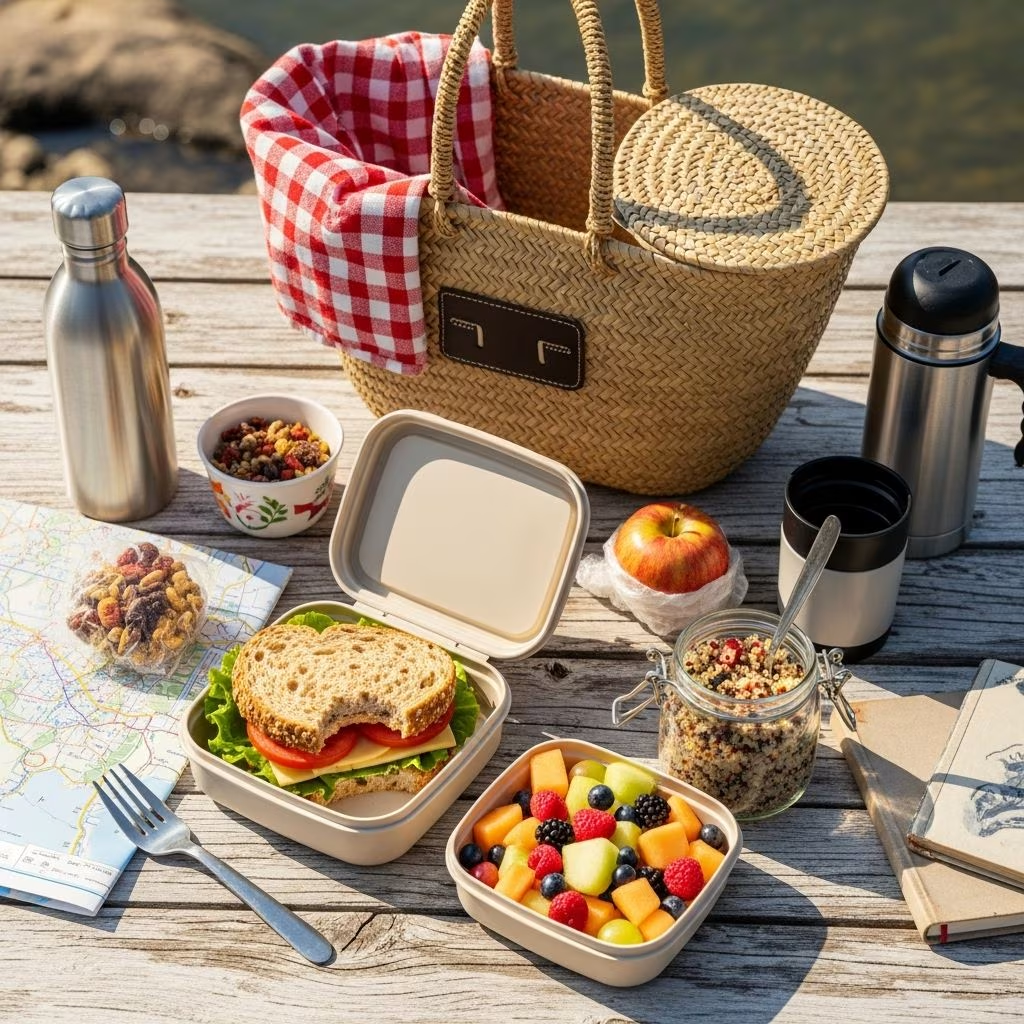
One of the simplest ways to avoid overpaying for food is to pack snacks from home before your trip begins. Airports and convenience stores are notorious for charging premium prices for snacks and beverages. By bringing your own provisions, you eliminate the temptation to purchase overpriced airport fare or convenience store items during your travels.
Consider packing the following snack options:
- Trail mix and granola
- Crackers and whole grain bread
- Fresh apples and dried fruit
- Nuts and seeds
- Protein bars and energy bars
- Popcorn and pretzels
These items are shelf-stable, travel-friendly, and provide sustained energy throughout your day of sightseeing or driving. Having snacks readily available reduces the likelihood that you’ll purchase expensive impulse snacks during your travels.
2. Bring a Reusable Water Bottle
Purchasing bottled water while traveling can quickly add up, with tourist areas often charging $5 or more for a single 16-ounce bottle. Tourist destinations capitalize on visitors who have limited access to free water alternatives. However, airports and most public areas provide free water fountains, fast-food restaurants offer tap water at no cost, and many locations now have filtered water fill-up stations.
Pack an empty reusable water bottle and fill it up at various locations throughout your journey. This simple habit can save you hundreds of dollars over the course of your trip. Additionally, staying properly hydrated with water is especially important while traveling, as you may be more active and exposed to the elements than usual.
3. Go Grocery Shopping and Cook Your Own Meals
If your accommodation includes kitchen access, shopping at local grocery stores and preparing your own meals can substantially reduce your food costs. This approach is particularly effective if you’re renting a vacation home, staying at an extended-stay hotel, or booking accommodations with kitchenette facilities.
For those driving to their destination, consider bringing non-perishable groceries from home or packing a cooler with ice for items that require refrigeration. Even if you don’t have a full kitchen available, you can prepare simple meals with just a mini fridge and microwave:
- Breakfast options: Cereal, oatmeal, muffins, fresh fruit, and yogurt
- Lunch options: Sandwiches made to order, which cost a fraction of deli-made alternatives
- Snack items: Cheese, crackers, vegetables, and dip
- Beverage staples: Coffee, tea, and juice boxes
Preparing even some of your meals at your accommodation can dramatically reduce your daily food expenses compared to eating out for every meal.
4. Choose Lunch Over Dinner at Restaurants
If you want to experience dining at a high-profile or upscale restaurant during your vacation, strategically schedule your visit during lunch rather than dinner. Most restaurants offer significantly lower prices during lunch hours compared to dinner service. This approach allows you to sample the cuisine and experience the restaurant’s ambiance without paying premium dinner prices.
After enjoying your nice lunch, select more budget-friendly dining options for dinner, such as quick-service restaurants, food trucks, casual eateries, or sandwiches and light meals available at your hotel. This strategy balances your desire to experience quality dining with your commitment to maintaining a reasonable food budget.
5. Find Discounts and Special Offers
Numerous websites and platforms offer significant discounts on restaurant dining and food experiences:
- Deal websites: Groupon and LivingSocial provide discounts on dining, entertainment, shopping, and activities
- Hotel resources: Check your hotel lobby and visitors center for printed travel brochures and restaurant guides that often include dining coupons
- Gift card discounts: Websites like Restaurant.com and Raise.com offer discounted restaurant gift cards at substantial markups
- Birthday specials: If you’re traveling to celebrate your birthday, take advantage of free birthday meals and discounts offered by many restaurants and attractions
- Local promotions: Research local restaurant websites and social media pages for special promotions and limited-time offers
Investing a little time in researching available discounts before or during your trip can yield significant savings on your dining expenses.
6. Use Money-Saving Apps for Dining and Gas
Food and fuel costs often represent the largest expenses on road trips. Fortunately, several mobile applications can help you earn cash back on these necessary purchases. Apps like Upside allow you to earn real cash rewards every time you dine out or fill your tank with gas. Regular users of such apps can accumulate substantial savings, potentially earning up to $290 per year in rewards.
Download and activate these cash-back apps before your trip begins, and ensure you apply your rewards code at participating restaurants and gas stations. This passive savings strategy requires minimal effort but can provide meaningful financial benefits over the course of your travels.
7. Order Appetizers as Your Main Meal
Restaurant appetizers typically cost considerably less than full entrees while often providing sufficient portions for a satisfying meal. When dining out, review the menu prices carefully to identify appetizer options that fit your budget. You can further enhance your value by ordering an appetizer alongside a side dish or house salad, which often totals less than a traditional entree price.
This strategy allows you to enjoy restaurant dining while maintaining strict control over your spending. Many appetizers are deliberately designed to be sharing plates, so you might also split an appetizer with a travel companion to reduce individual costs further.
8. Order Water Instead of Beverages
Beverages represent one of the easiest areas to cut costs when dining out. Soft drinks, alcohol, specialty coffee drinks, and fresh juices can easily add $5 to $10 per person to your restaurant bill. By simply ordering water instead, you reduce your meal cost substantially.
Additional benefits of ordering water include:
- Improved hydration while traveling, reducing fatigue and improving health
- Filling your stomach with liquid before meals, reducing the quantity of food you feel compelled to order
- Leaving you less likely to order expensive desserts
- Creating leftovers to enjoy later if you finish eating before completing your meal
Water is always complimentary at restaurants and offers the best value of any beverage option.
9. Research Dining Options in Advance
Before departing for your trip, invest time in researching restaurants, bars, and eateries near your accommodation and planned activities. Review online menus and prices on websites like Yelp to identify dining options that align with your budget. This research allows you to:
- Filter out expensive establishments that exceed your budget
- Identify quality dining options at reasonable prices
- Discover local favorites recommended by other travelers
- Make reservations at popular restaurants in advance
- Plan your meals strategically to optimize your food budget
Having a predetermined dining plan prevents impulsive, expensive meal choices and ensures you’re aware of your options before hunger and fatigue cloud your judgment.
10. Embrace Free Food and Drink Opportunities
Many accommodations and attractions offer complimentary food and beverages that savvy travelers can leverage:
- Hotel amenities: Enjoy free cookies, coffee, continental breakfast, and other complimentary offerings provided by your hotel
- Tours and tastings: Consume free samples available during winery, brewery, and distillery tours
- Social connections: Accept dinner invitations from friends and relatives living near your destination
- Event freebies: Attend community events, festivals, and open houses that provide free food and beverages
- Happy hours: Take advantage of restaurant happy hour specials with discounted appetizers and beverages
Free food represents the ultimate value for budget-conscious travelers. Maximize these opportunities whenever possible throughout your journey.
Additional Money-Saving Food Strategies
Beyond these 10 primary strategies, consider implementing additional approaches to further reduce your travel food budget. Shopping at ethnic grocery stores often provides better deals on staples including rice, pasta, condiments, and canned goods. These establishments typically have lower overhead costs and spend less on advertising, allowing them to offer competitive pricing. Ethnic markets also provide excellent selections of specialty spices and ingredients for international cuisines.
Meal planning, even during your travels, helps you avoid impulse food purchases and overpriced convenience options. Spending 30 minutes planning your meals and shopping list significantly reduces food costs and prevents wasteful spending.
Frequently Asked Questions
Q: Is it worth packing snacks for a short weekend trip?
A: Yes, absolutely. Even on short trips, airport and convenience store snacks cost considerably more than snacks brought from home. Packing snacks takes minimal effort and provides immediate savings.
Q: What if my hotel doesn’t provide free breakfast?
A: Purchase affordable breakfast items from a grocery store, such as cereal, oatmeal, fruit, and yogurt. These cost significantly less than restaurant breakfasts and can be consumed in your room.
Q: Can I really earn significant money with cash-back apps?
A: Yes, frequent users of cash-back apps like Upside report earning $200-$290 annually. Every dining and fuel purchase adds up, making the app worthwhile for road trips.
Q: How do I find ethnic grocery stores in unfamiliar cities?
A: Use Google Maps to search for “ethnic grocery stores,” “international markets,” or specific cuisine types (e.g., “Vietnamese market”) in your travel destination.
Q: Is it rude to only order water at restaurants?
A: No, ordering water is completely acceptable and increasingly common. Restaurants expect a percentage of customers to order water, and servers respect this choice.
Q: How can I balance eating well with eating cheaply while traveling?
A: Focus on purchasing whole foods like fruits, vegetables, grains, and proteins from grocery stores. These provide nutritious meals at lower costs than restaurant food.
Q: What’s the best way to store groceries without a full kitchen?
A: Use a small cooler with ice or invest in a portable mini-fridge. Many hotels allow guest-owned coolers in rooms, making this an affordable storage solution.
Q: Should I avoid all restaurant dining to stay on budget?
A: No, strategic restaurant dining is reasonable. Use lunch specials, appetizers, discount codes, and cash-back apps to enjoy restaurants while controlling costs.
References
- How to Save Money on Food While Traveling — The Penny Hoarder. Accessed January 2026. https://www.thepennyhoarder.com/save-money/how-to-save-money-on-food-while-traveling/
This article is general information, not personal financial advice. Consider your own situation, or speak with a licensed adviser, before acting on it.


