

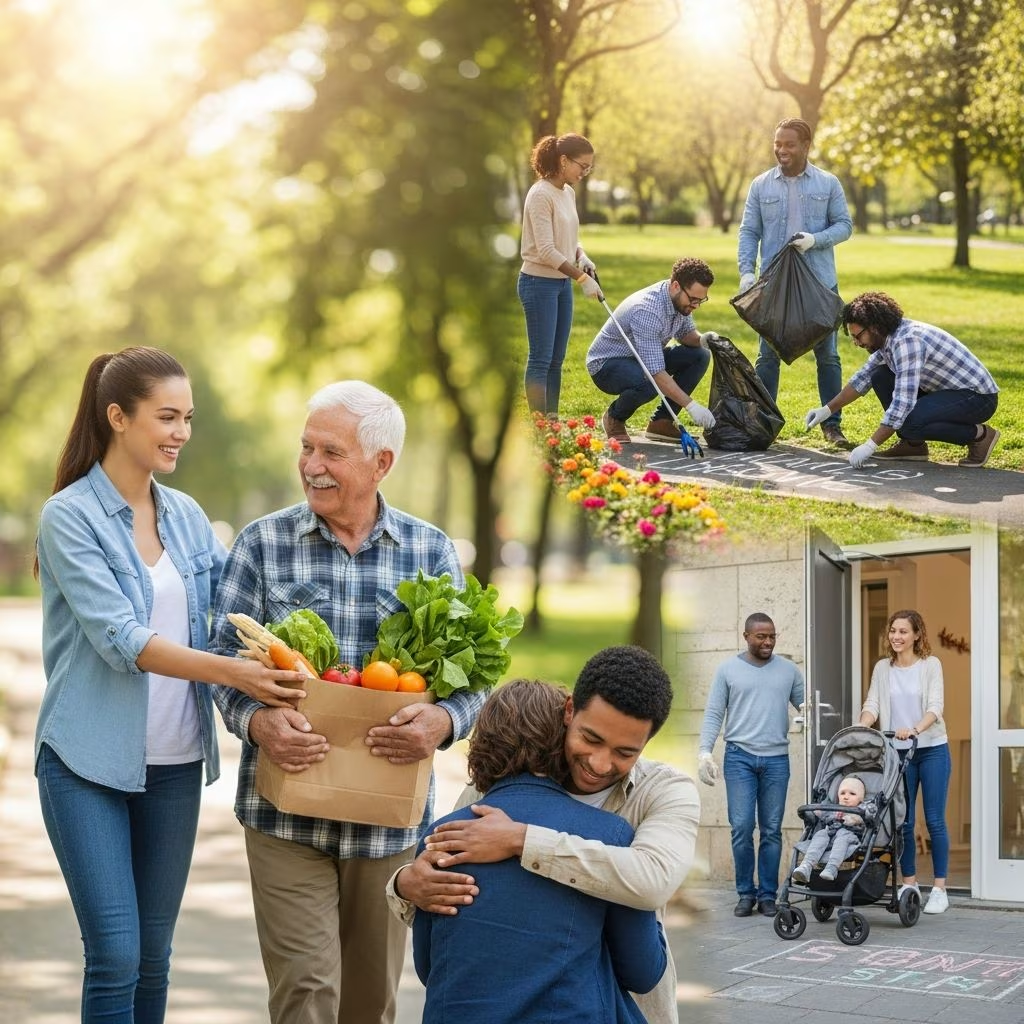
Small, thoughtful acts of kindness can transform an ordinary day into something memorable. You do not need a big budget, a special occasion, or a grand gesture to make a positive difference in someone’s life. In fact, research suggests that simple, everyday kindness supports both mental and physical well-being for the giver and the receiver.
This guide breaks down practical, free ways to do nice things for people that fit into real life. Use it as inspiration to brighten a loved one’s day, support your community, and feel more connected yourself.
Why Doing Nice Things For People Matters
Kindness is more than a feel-good extra. It is a key ingredient for healthier relationships, stronger communities, and better overall well-being.
- Boosts happiness: Studies show that people who regularly practice kind acts report higher levels of life satisfaction and positive mood.
- Reduces stress: Helping others is associated with lower stress and improved emotional resilience, especially during challenging times.
- Strengthens social bonds: Simple gestures communicate, “I see you and I care,” which deepens trust and connection.
- Creates a ripple effect: When someone experiences kindness, they are more likely to pay it forward, spreading the benefit far beyond a single interaction.
Most importantly, you do not have to spend money to be generous. What people value most is often your time, attention, and thoughtfulness.
Quick Comparison: Time vs. Effort vs. Social Impact
| Kind Action | Time Required | Effort Level | Typical Social Impact |
|---|---|---|---|
| Give a compliment | Seconds | Very low | Instant mood boost; builds confidence |
| Run an errand | 15–30 minutes | Moderate | Relieves stress and saves time for others |
| Babysit briefly | 1–3 hours | Moderate–high | Gives caregivers rest; deepens trust |
| Walk someone’s dog | 20–40 minutes | Low–moderate | Supports health of you, the owner, and the pet |
| Be a listening ear | 10–30 minutes | Moderate (emotional) | Helps people feel seen and supported |
12 Nice Things To Do For People (That Cost Nothing)
The ideas below mirror the original article’s structure and expand on each suggestion with practical tips, examples, and variations you can adapt to your own situation.
1. Give a Genuine Compliment
A sincere compliment is one of the simplest ways to brighten someone’s day. It requires almost no time, no money, and very little effort—but it can have a powerful emotional impact.
Thoughtful compliments can:
- Boost confidence and self-esteem
- Help people feel noticed and appreciated
- Strengthen relationships and break the ice in social situations
Some ideas:
- Tell a coworker you admire how they handled a tough meeting.
- Let a friend know you appreciate their consistency or reliability.
- Compliment a stranger on their hairstyle, shoes, or smile.
- Leave a positive comment on a friend’s social media post.
- Write a brief, kind review for a small business that did a great job.
The key is to be specific and authentic. Rather than a generic “good job,” say, “I really appreciate how calm you stayed and how clearly you explained everything.”
2. Run an Errand for Someone
Everyday tasks can be exhausting, especially for people juggling work, family responsibilities, or health challenges. Offering to run an errand for someone eases that burden in a tangible way.
People who may especially appreciate this include:
- Elderly neighbors who find it hard to get around
- Busy parents, especially those with young children
- Friends who are unwell, recovering, or overwhelmed
Ideas for free, helpful errands:
- Pick up groceries while you are already going to the store.
- Collect prescriptions or medical supplies.
- Drop off mail or packages.
- Return library books or borrowed items.
Offer something specific, like: “I’m stopping by the grocery store after work. Can I grab anything for you?” That makes it easier for people to accept help.
3. Offer to Babysit for Friends or Neighbors
Time is one of the most valuable gifts you can give, and for parents and caregivers, a short break can feel priceless. Even an hour or two of free babysitting can help them:
- Catch up on chores or work without distractions
- Have a relaxed meal or coffee break
- Go on a quick date or enjoy some personal time
Practical ways to do this kindly and safely:
- Offer specific time frames: “I can watch the kids this Saturday morning if that helps.”
- Ask about routines, allergies, and any house rules in advance.
- Plan simple, low-cost activities like reading, drawing, or outdoor play.
Even if you do not feel comfortable caring for very young children, you can still offer support—such as supervising older kids with homework, games, or a movie.
4. Take a Friend or Neighbor’s Dog for a Walk
Walking a dog is a small favor that benefits everyone involved. The dog gets exercise and stimulation, the owner gets a break, and you get fresh air and movement.
Regular walking is linked with better cardiovascular health, improved mood, and lower risk of chronic disease. Combining that with helping someone else makes it a powerful habit.
Who might appreciate this?
- Neighbors who work long hours
- Older adults with limited mobility
- Friends caring for a new baby or dealing with illness
To keep it thoughtful and safe:
- Ask about the dog’s temperament and any special needs.
- Stick to familiar routes and follow local leash rules.
- Share how the walk went when you return, so the owner feels at ease.
5. Help Friends and Neighbors with a Chore
Physical or time-consuming chores can be overwhelming, especially after a long week, a major life event, or during bad weather. Offering practical help shows you are paying attention and willing to pitch in.
Helpful chores you can do for free include:
- Mowing a neighbor’s lawn or raking leaves
- Shoveling snow from their driveway or sidewalk
- Bringing their trash bins to or from the curb
- Helping move heavy items or rearrange furniture
- Helping sort and organize a cluttered space
If you are worried it might feel awkward, use wording like:
- “I’m going to mow my lawn this afternoon. I’d be happy to do yours too if you’d like.”
- “I’m heading out to shovel the sidewalk; I’ll clear yours as well.”
Framing it as something you are already doing for yourself can make it easier for people to accept the help.
6. Share What You Have (Without Spending Extra)
Even if you are trimming your own expenses, you may already have more than you need of certain items—like books, pantry staples, or gently used clothing. Thoughtfully sharing these can feel generous without costing you more money.
Ideas for sharing from what you already own:
- Loan a favorite book to a friend who might enjoy it.
- Offer extra produce from your garden to neighbors.
- Share extra supplies for a project (crafts, tools, or baking ingredients).
- Put together a small “use what I have” bundle for someone, such as tea, stationery, or surplus household goods.
This type of sharing can also reduce waste and encourage more mindful consumption, aligning with environmental and financial goals.
7. Teach Someone Something You’re Good At
Sharing skills is a powerful, no-cost way to empower others. You do not need to be a professional to help someone learn; you only need to be a few steps ahead.
Skill-sharing can:
- Help kids or teens learn abilities they might not get in school
- Support adults who want to build confidence with technology or practical tasks
- Potentially help others develop income-generating skills
Ideas for skills you might share:
- Homework help (math, reading, writing, science)
- Basic computer or smartphone use, including email or social media
- Budgeting, goal-setting, or basic personal finance principles
- Cooking, baking, sewing, or simple repairs
- Creative skills like drawing, music, or crafting
Offering your knowledge for free can be especially meaningful for those who cannot easily pay for lessons or classes.
8. Be a Listening Ear
In a world full of distractions, giving someone your full attention is a rare and valuable gift. Many people are not looking for advice; they simply want to feel heard and understood.
Effective, kind listening:
- Supports mental and emotional health
- Helps reduce feelings of loneliness and isolation
- Builds trust and deepens relationships
Simple ways to be a better listener:
- Put your phone away or turn it face down to remove distraction.
- Use open-ended questions such as, “How are you feeling about that?”
- Reflect back what you hear: “It sounds like you’re really overwhelmed.”
- Resist the urge to immediately fix the problem unless they ask.
Research shows that strong social support is linked with better health outcomes and lower risk of depression. Being that supportive person for someone is a meaningful, free act of kindness.
9. Offer to Take Pictures for People
Memories often become more vivid when they are captured in photos. When you see others struggling to take a selfie or group shot, offering to help can make their experience smoother and more enjoyable.
Where this is especially helpful:
- Tourist spots, scenic overlooks, and local landmarks
- Parks, playgrounds, and community events
- Family gatherings or informal celebrations
Tips to make this gesture feel comfortable:
- Smile and use friendly language: “Would you like me to take a photo for you?”
- Take several shots so they can choose their favorite.
- Ask if they have any preferences: “Landscape or portrait? Want the building in the background?”
It is a tiny effort that can help others preserve moments they will treasure for years.
10. Reach Out to Someone You Haven’t Talked to in a While
Life gets busy, and even meaningful relationships can drift over time. Reaching out to someone you have not spoken with recently can spark joy, nostalgia, and renewed connection—for both of you.
People you might contact:
- Old friends or classmates
- Former coworkers or mentors
- Extended family members
- Someone who once did you a kindness or helped you through a difficult time
Easy ways to reconnect:
- Send a short message: “I was thinking of you and hope you’re doing well.”
- Share a specific memory that made you smile.
- Send a quick voice note if that feels more personal.
- Write a brief thank-you for something they did in the past.
Even if the conversation is brief, it can remind both of you that the connection still matters.
11. Encourage and Celebrate Others’ Progress
People often underestimate their own progress. Taking the time to notice and celebrate someone else’s efforts can give them the motivation to keep going.
What you can celebrate:
- Small wins, such as finishing a tough week at work
- Consistency with healthy habits like walking, budgeting, or studying
- Creative or professional milestones, even early ones
Ways to offer encouragement:
- Send a quick message after their big meeting or exam: “Proud of you for showing up and doing the work.”
- Ask about their goals and remember to follow up later.
- Share what you admire about their effort, not just the outcome.
Encouragement costs nothing but can help someone feel capable, valued, and supported.
12. Share Helpful Information and Resources
Sometimes the nicest thing you can do is connect someone with information that makes their life easier—especially if you already know where to find it.
Examples of helpful, free information you might share:
- Links to reputable, free financial education or budgeting guides
- Local community resources like libraries, job centers, and support groups
- Free or low-cost health and wellness programs in your area
- Tips or checklists you have used to stay organized or reduce stress
When sharing information, try to:
- Make sure your source is reliable and up to date.
- Offer it gently: “This helped me; feel free to ignore if it’s not useful to you.”
- Be available to answer questions or talk it through if they want.
Putting It Into Practice: Small Steps, Big Impact
You do not have to overhaul your life to start doing more nice things for people. Instead, choose one or two ideas that feel natural and build from there.
Simple ways to get started this week:
- Give at least one genuine compliment each day.
- Send a check-in message to someone you have not spoken to recently.
- Offer to help with a small chore for a neighbor or family member.
- Spend 10 minutes truly listening to someone without distractions.
Over time, these small actions can shift the tone of your relationships, your community, and even your own outlook. Kindness tends to compound: the more you give, the more you notice opportunities to give—and the more you feel connected in return.
Frequently Asked Questions (FAQs)
Q: How can I be kind if I am on a very tight budget?
A: Focus on what does not cost money: your attention, time, encouragement, and skills. Listening, offering to help with chores, writing kind messages, or sharing things you already own are all meaningful ways to show you care without spending.
Q: I feel shy offering help. How do I start without it feeling awkward?
A: Start with small, low-pressure gestures like compliments or quick check-in texts. When offering help, be specific: “I’m going to the store—can I grab anything for you?” This makes it easier for people to say yes and keeps the interaction natural.
Q: How do I avoid overcommitting when doing nice things for people?
A: Set clear boundaries from the start. Offer help within a time frame or scope you can handle, such as one afternoon of babysitting or a single errand. It is okay to say no or suggest an alternative time if a request does not fit your capacity.
Q: Are small acts of kindness really that important?
A: Yes. Research on prosocial behavior shows that even small, everyday acts of kindness are linked with greater happiness, stronger social connections, and better health outcomes over time. They may seem minor in the moment, but they accumulate into meaningful change.
Q: How can I involve my family or kids in doing nice things for others?
A: Choose simple, visible actions you can do together: helping a neighbor with yard work, writing thank-you notes, or baking using ingredients you already have and sharing the results. This helps children learn generosity, empathy, and community-mindedness by example.
References
- Kindness and well-being: The role of prosocial behavior — Otake et al., Journal of Happiness Studies. 2006-09-01. https://doi.org/10.1007/s10902-004-1271-2
- Volunteerism and health: What impact does it really have? — Corporation for National and Community Service. 2007-01-01. https://americorps.gov/sites/default/files/document/issuebrief_volunteer_health_0.pdf
- Physical Activity Guidelines for Americans, 2nd edition — U.S. Department of Health and Human Services. 2018-11-01. https://health.gov/sites/default/files/2019-09/Physical_Activity_Guidelines_2nd_edition.pdf
- Social relationships and health: A flashpoint for health policy — Umberson & Montez, Journal of Health and Social Behavior. 2010-09-01. https://doi.org/10.1177/0022146510383501
- Financial Literacy and Education Commission: About FLEC — U.S. Department of the Treasury. 2022-06-01. https://home.treasury.gov/policy-issues/consumer-policy/financial-education
This article is general information, not personal financial advice. Consider your own situation, or speak with a licensed adviser, before acting on it.


