

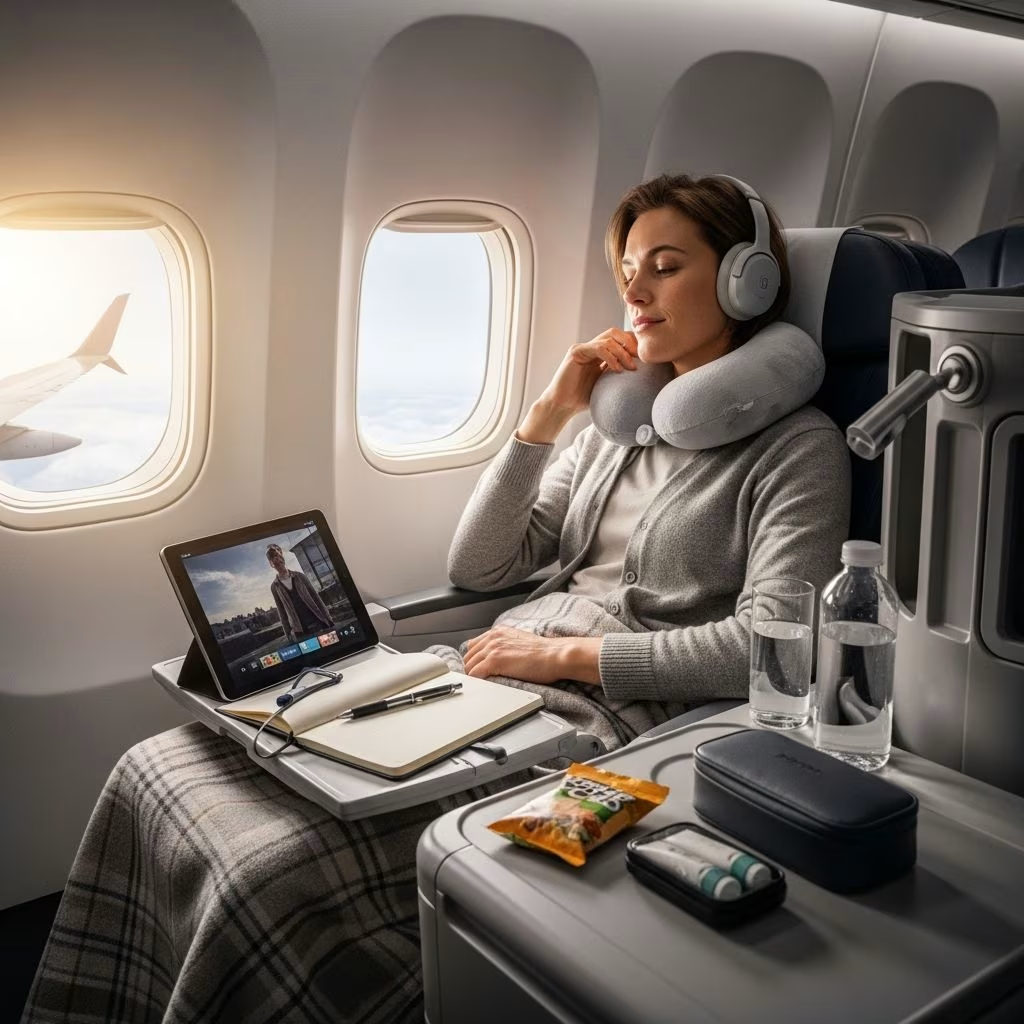
International flights can be grueling, often lasting 8-16 hours or more, testing your endurance with cramped seats, dry air, and disrupted routines. Mastering survival techniques ensures you land refreshed, ready to explore. This guide outlines 13 essential secrets drawn from expert advice, covering preparation, in-flight strategies, and recovery to make your long-haul journey tolerable and even enjoyable.
Pre-Flight Preparation: Set Yourself Up for Success
Success on a long flight starts before boarding. Proper planning minimizes discomfort and maximizes rest.
1. Choose the Right Seat
Seat selection is crucial for comfort. Opt for aisle seats for legroom and easy bathroom access, or window seats to lean against for sleep. Use tools like SeatGuru to avoid seats near galleys or lavatories, which are noisy. Exit row seats offer extra space but require assisting in emergencies—book early for premium economy if budget allows.
2. Pack Smart and Light
Avoid checked bag fees by using a carry-on only. Pack compression bags for clothes, a neck pillow, eye mask, earplugs, and noise-canceling headphones. Include snacks like nuts and protein bars, as airline food may disappoint. Layer clothing for varying cabin temperatures—start with moisture-wicking base layers.
- Essentials: Passport, meds, charger, portable battery.
- Comfort: Travel blanket, slippers, compression socks.
- Hygiene: Toothbrush, face wipes, lip balm, hand sanitizer.
3. Hydrate Before Takeoff
Airplane cabins have humidity as low as 10-20%, causing dehydration. Drink 8-16 oz of water per hour pre-flight. Skip alcohol and caffeine 24 hours before, as they exacerbate dehydration and disrupt sleep.
In-Flight Comfort Strategies
Once airborne, focus on maintaining circulation, rest, and entertainment to combat boredom and fatigue.
4. Dress for Comfort
Wear loose, breathable clothes in layers. Compression socks prevent swelling and deep vein thrombosis (DVT)—wear them if flying over 4 hours. Slip-on shoes allow easy removal for security and swelling feet.
5. Move Regularly
Prolonged sitting risks DVT. Every 2 hours, walk the aisle, do ankle circles, calf raises, or seated stretches. According to CDC guidelines, movement improves blood flow on flights longer than 4 hours[CDC].
6. Prioritize Sleep
Align sleep with destination time using melatonin (0.5-5mg) or sleep aids sparingly. Use eye mask and earplugs; recline fully if possible. Avoid screens 1 hour before intended sleep to boost melatonin naturally.
7. Stay Hydrated and Nourished
Bring an empty water bottle to fill post-security—aim for 1 gallon total on long flights. Moisturize skin and lips hourly. Eat light: fresh fruits, veggies, yogurt over heavy meals to avoid bloating.
Entertainment and Mental Survival
Boredom amplifies discomfort—keep your mind engaged.
8. Download Entertainment in Advance
Wi-Fi is spotty and pricey. Pre-load movies, TV shows, podcasts, audiobooks, and playlists on apps like Netflix or Spotify. Books or games on a tablet provide variety. Your choices for in-flight entertainment can be limited, so prepare ahead.
9. Practice Mindfulness or Journal
Meditate with apps like Headspace for 10 minutes hourly to reduce anxiety. Journal travel goals or gratitude to pass time productively.
Health and Hygiene on Board
Crowded cabins breed germs—protect yourself.
10. Boost Immunity
Vitamin C (1,000mg daily), zinc lozenges, and nasal saline spray fend off colds. Wipe surfaces with alcohol wipes; wear a mask if prone to illness. The WHO notes airplane air is HEPA-filtered but close quarters increase transmission risk[WHO].
11. Freshen Up Mid-Flight
Use facial wipes, deodorant, and change into fresh clothes halfway. Brush teeth and apply moisturizer to feel human again.
Post-Flight Recovery: Beat Jet Lag
Landing is just the start—recovery determines your trip’s kickoff.
12. Adjust to Local Time Immediately
Set watches to destination time upon boarding. Expose to natural light: morning sun for eastward flights, afternoon for westward. Stay awake until local bedtime.
13. Advanced Jet Lag Hacks
Melatonin timed to destination bedtime (evening for eastward). Light exercise outdoors, avoid naps longer than 20 minutes. Hydrate heavily first 48 hours.
| Jet Lag Direction | Strategy | Timing |
|---|---|---|
| Eastward (e.g., US to Europe) | Advance sleep schedule | Melatonin at 10 PM local |
| Westward (e.g., Europe to US) | Delay sleep schedule | Melatonin at 10 PM local |
| General | Light exposure | Morning/afternoon sun |
Frequently Asked Questions (FAQs)
Q: How much water should I drink on a long flight?
A: Aim for 8 oz per hour of flight time, totaling 4 liters for a 12-hour journey. Dehydration worsens jet lag and fatigue.
Q: Are neck pillows worth it?
A: Yes, inflatable memory foam ones provide support without bulk. Combine with a travel blanket for best results.
Q: What’s the best seat for sleeping?
A: Window seats allow head support against the wall; bulkhead seats offer legroom but no under-seat storage.
Q: How to avoid DVT on flights?
A: Wear compression socks, walk hourly, stay hydrated, and do calf exercises. Consult a doctor if high-risk.
Q: Can I eat my own food on planes?
A: Yes, non-liquid snacks are allowed through security. Opt for healthy options to maintain energy.
Bonus Money-Saving Tips for International Flights
Combine survival with savings:
- Book off-peak: Mid-week flights are cheaper.
- Use miles: Accumulate via credit cards for upgrades.
- Flexible dates: Tools like Google Flights show cheapest days.
These strategies transform dread into anticipation. Safe travels!
References
- Yellow Fever Vaccination Requirements — Centers for Disease Control and Prevention. 2024-01-15. https://wwwnc.cdc.gov/travel/diseases/yellow-fever
- 13 Secrets to Surviving an International Flight — PopSugar Smart Living via Wise Bread. 2015-08-12. https://www.wisebread.com/best-money-tips-how-to-survive-an-international-flight
- Deep Vein Thrombosis & Long-Haul Flying — World Health Organization. 2023-05-20. https://www.who.int/news-room/fact-sheets/detail/venous-thromboembolism-(vte)
- Jet Lag Disorder — American Academy of Sleep Medicine. 2024-02-10. https://jcsm.aasm.org/doi/10.5664/jcsm.10672
This article is general information, not personal financial advice. Consider your own situation, or speak with a licensed adviser, before acting on it.


