

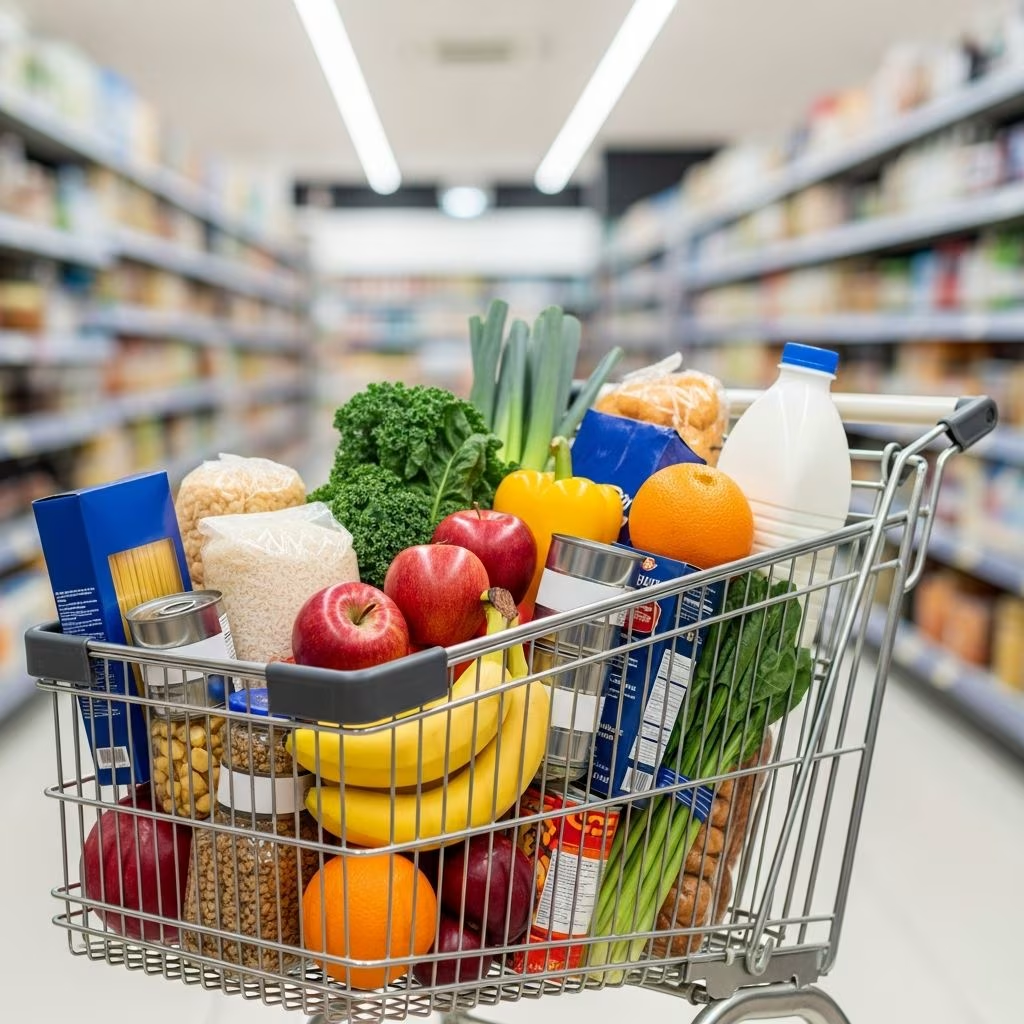
Grocery shopping is one of the biggest recurring expenses in most households, but it is also one of the easiest places to start saving money. With a bit of planning, some smart strategies in the store, and better food habits at home, you can significantly lower your food bill without sacrificing nutrition or enjoyment.
This guide walks you through 20 practical tips for grocery shopping on a budget, from planning your meals to using store discounts wisely and cutting food waste.
Why grocery budgeting matters
Food prices rise over time because of inflation, changes in supply, and higher production and transport costs. In recent years, many countries have seen food price inflation outpacing general inflation, putting more pressure on household budgets. Being intentional about your grocery spending helps you:
- Free up cash for savings and debt payoff
- Feel more in control of your money
- Reduce food waste and environmental impact
- Improve the quality and nutrition of the food you eat
Research shows that planning meals and shopping with a list are associated with better diet quality and more efficient grocery spending. The tips below build on those principles.
Step 1: Plan before you ever step into the store
1. Set a realistic monthly and weekly grocery budget
Start by deciding how much you can afford to spend on groceries in a month, then break it down by week. A common guideline is that total food spending (including dining out) often ranges from 10% to 14% of after-tax income, depending on household size and location, but your exact number should reflect your income, goals, and dietary needs.
To set a realistic budget:
- Review the last 2–3 months of bank or card statements to see what you actually spend now.
- Decide how much you want to cut (for example, 10% to start, then adjust over time).
- Divide the monthly amount by the number of weeks you shop (4 or 5) to get a weekly limit.
- Keep this number in mind every time you make a shopping list.
2. Take inventory of what you already have
Before planning meals or writing a list, quickly check:
- Pantry: rice, pasta, canned goods, baking staples
- Fridge: produce, dairy, leftovers, sauces
- Freezer: meats, vegetables, bread, prepared meals
This helps you avoid buying duplicates, use up ingredients before they spoil, and lower your bill by building meals around what you already own.
3. Build a simple meal plan around affordable foods
Meal planning is one of the most effective ways to reduce food costs and waste. It does not need to be complicated. A basic weekly plan might include:
- 2–3 easy dinners you repeat each week (for example, stir-fry, pasta, soup)
- 1–2 flexible “clean out the fridge” meals such as omelets or fried rice
- Breakfasts based on cheap staples like oats, eggs, or yogurt
- Portable lunches made from dinner leftovers
Focus your meal plan on budget-friendly, nutrient-dense foods like beans, lentils, frozen vegetables, whole grains, and in-season produce.
4. Create a detailed grocery list (and stick to it)
Once your meals are planned, list exactly what you need. Organize the list by store section to save time and reduce impulse buys:
- Produce
- Dry goods and canned items
- Dairy and eggs
- Meat and fish
- Frozen foods
- Household and personal care items
Bring the list to the store and commit to buying mostly what is on it. Leave a small amount of flexibility (for example, one or two sale items that fit your plan) to avoid feeling restricted.
5. Check digital flyers, coupons, and cash-back offers
Most major grocery chains have apps or websites where you can view:
- Weekly sale flyers
- Digital coupons
- Loyalty rewards and bonus points
Look for discounts on the ingredients you already planned to buy rather than planning your meals entirely around promotions. This keeps you from buying things just because they are on sale.
Step 2: Shop strategically to cut your bill
6. Choose the right store (or mix of stores)
Prices vary significantly among grocery stores, discount chains, warehouse clubs, and local markets. Some people find that combining one main store with occasional trips to a discount store or market for specific items gives the best balance of price and convenience.
To decide where to shop:
- Compare the prices of 10–15 items you buy often across 2–3 stores.
- Factor in travel time and transportation costs.
- Consider whether a warehouse membership is worth it for your household size and storage space.
7. Shop your pantry and freezer first
When you enter the store, remind yourself that your goal is to fill in the gaps, not start from zero. Many budget shoppers keep a running list of pantry and freezer items to use up, then choose fresh items that complete those meals.
8. Compare unit prices, not just sticker prices
The lowest price per package is not always the best deal. Look at the unit price (price per ounce, liter, pound, or kilogram), often listed on the shelf tag. Larger packages are not always cheaper once unit price is considered, especially if you do not use the food before it expires.
| Product | Package Price | Size | Unit Price | Better Deal? |
|---|---|---|---|---|
| Oats (Brand A) | $3.50 | 18 oz | $0.19/oz | |
| Oats (Brand B, larger) | $5.00 | 32 oz | $0.16/oz | Yes, if you will use it all |
9. Switch to store brands for staples
Store-brand or “private label” products are often made in the same facilities as name-brand items and must meet the same safety standards. They can be 10–30% cheaper, especially for items like:
- Flour, sugar, and baking ingredients
- Rice, pasta, and grains
- Canned beans and vegetables
- Dairy products like milk and yogurt
10. Buy in bulk when it truly saves money
Buying large quantities can lower your unit cost, but only if:
- You have space to store the food properly.
- You will use it before it spoils or the quality declines.
- The bulk unit price is lower than the smaller size price.
Good candidates for bulk buying include dry beans, lentils, rice, oats, and frozen vegetables. For highly perishable items, buy smaller amounts more often to avoid waste.
11. Focus on whole, minimally processed foods
Ready-made meals, pre-cut fruits and vegetables, and individually packaged snacks are convenient but usually cost more per serving. Whole foods that you wash, chop, and cook yourself are often cheaper and can be more nutritious.
For example:
- Buy a whole head of lettuce instead of bagged salad.
- Choose whole carrots over baby carrots.
- Cook dry beans instead of buying canned, when time allows.
12. Choose produce wisely: seasonal, frozen, and canned
Fresh produce can be expensive when it is out of season or transported long distances. Nutritional quality is generally similar among fresh, frozen, and canned fruits and vegetables, provided you watch for added salt and sugar.
- Buy in-season fresh produce for the best flavor and price.
- Use frozen vegetables and fruit for smoothies, stir-fries, and side dishes.
- Choose low-sodium canned vegetables and fruit packed in water or juice.
13. Be strategic with protein sources
Protein is often one of the most expensive categories of food. To save money:
- Incorporate plant proteins like beans, lentils, peas, and tofu several times per week.
- Buy larger packs of meat on sale and freeze in individual portions.
- Use eggs as a budget-friendly protein option for any meal.
- Stretch meat by combining it with beans, lentils, or vegetables in dishes like chili, tacos, and soups.
14. Avoid shopping when you are hungry or rushed
Going to the store hungry or under time pressure tends to increase impulse purchases and make you more vulnerable to marketing tactics like end-cap displays and eye-level product placement. A snack before shopping and extra time to compare prices can easily save you money.
15. Limit convenience foods and impulse snacks
Items like chips, cookies, individual snack packs, and specialty drinks add up quickly and often provide limited nutritional value. Consider setting a small “treat” amount in your budget so you enjoy some extras without letting them take over your cart.
Step 3: Store, cook, and use food efficiently
16. Learn basic food storage to reduce waste
Proper storage can significantly extend the life of your groceries. Around a third of food produced for human consumption is lost or wasted globally, with a large portion happening at the consumer level. Reducing waste is like giving yourself an instant discount on your grocery bill.
Simple storage tips:
- Keep your fridge at about 4°C (40°F) and freezer at -18°C (0°F).
- Store potatoes, onions, and garlic in a cool, dark, ventilated place (not in the fridge).
- Move items that need to be used soon to the front of the fridge or pantry.
- Freeze bread, meat, and leftovers you cannot use within a few days.
17. Cook at home more often than you eat out
Preparing meals at home is generally cheaper than eating out when you compare cost per serving, even after adding basic ingredients and utilities. Home cooking also lets you:
- Control portion sizes and ingredients
- Use up leftovers and pantry items
- Make larger batches that provide multiple meals
18. Embrace leftovers and planned “cook once, eat twice” meals
Leftovers are one of the easiest ways to lower your food costs and reduce waste. Instead of seeing leftovers as an afterthought, plan them:
- Cook larger batches of soups, stews, and casseroles and freeze portions.
- Turn roast chicken into sandwiches, salads, or soups the next day.
- Use leftover vegetables in omelets, fried rice, or grain bowls.
19. Monitor your spending and adjust over time
Track your grocery expenses for at least one full month using a notebook, spreadsheet, or budgeting app. Compare your actual spending to your planned budget and look for patterns:
- Are there certain items you always overspend on?
- Do impulse buys show up mostly at one particular store or time of day?
- Are you throwing away the same types of food repeatedly?
Use what you learn to refine your list, meal plan, and budget for the next month.
20. Be flexible and patient with yourself
Improving your grocery habits is a process. Some weeks will go smoothly; other weeks may be more expensive due to guests, holidays, or schedule changes. Focus on long-term progress rather than perfection. Over time, the combination of small, consistent choices can noticeably lower your grocery bill.
Sample weekly budget-friendly meal ideas
Here is a simple example of how a week of budget-conscious meals might look, using affordable staples and leftovers strategically:
| Day | Breakfast | Lunch | Dinner |
|---|---|---|---|
| Monday | Oatmeal with frozen berries | Leftover bean chili | Bean chili with rice and frozen veggies |
| Tuesday | Eggs and toast | Lentil soup | Pasta with tomato sauce and sautéed vegetables |
| Wednesday | Yogurt with oats and fruit | Leftover pasta | Stir-fry with tofu or chicken and mixed vegetables |
| Thursday | Peanut butter on toast and a banana | Grain bowl with beans and veggies | Omelet with leftover vegetables and potatoes |
| Friday | Oatmeal with cinnamon and apples | Leftover stir-fry | Homemade pizza on flatbread with toppings from the fridge |
Frequently Asked Questions (FAQs)
Q: How much should I budget for groceries per person?
A: The right amount depends on your location, dietary needs, and income. Some government guidelines break food plans into “thrifty,” “moderate,” and “liberal” levels, showing that monthly costs can vary widely. Track your current spending first, then aim to reduce it gradually by 5–10% while maintaining a healthy diet.
Q: Is it really cheaper to cook at home than to eat out?
A: In most cases, yes. When you prepare food at home, you spread the cost of basic ingredients over multiple meals, and you avoid restaurant labor and overhead costs. Studies of household spending patterns show that eating out typically accounts for a smaller number of meals but a larger share of food dollars compared with at-home food.
Q: Are frozen and canned vegetables as healthy as fresh ones?
A: Frozen and canned vegetables can be just as nutritious as fresh, especially when fresh produce is out of season or has been stored for a long time. The key is to choose options without added salt, sugar, or heavy sauces. They are often more affordable and have a longer shelf life, which helps reduce waste.
Q: How can I save on groceries if I have dietary restrictions?
A: Start with naturally budget-friendly foods that fit your needs, such as beans, lentils, rice, oats, and seasonal produce. Buying specialty items like gluten-free or dairy-free products on sale, in bulk, or from store brands can also help. Planning meals around a small set of reliable, affordable recipes reduces the temptation to buy expensive substitutes impulsively.
Q: What is the quickest change I can make to lower my food bill?
A: Two of the fastest changes are planning 3–5 dinners for the week and always shopping with a written list. These habits reduce impulse purchases, help you use food you already have, and cut down on last-minute takeout.
References
- Food Outlook: Biannual Report on Global Food Markets — Food and Agriculture Organization of the United Nations (FAO). 2023-06-15. https://www.fao.org/publications/card/en/c/CC3530EN/
- Meal planning, shopping habits and socio-demographic characteristics associated with home food preparation in the USA — Mills et al., Public Health Nutrition. 2017-02-01. https://doi.org/10.1017/S1368980016002628
- Food Expenditure Series — U.S. Department of Agriculture, Economic Research Service. 2023-04-27. https://www.ers.usda.gov/data-products/food-expenditure-series/
- Private Label Products and the U.S. Food System — USDA Economic Research Service. 2019-10-01. https://www.ers.usda.gov/webdocs/publications/95296/err-270.pdf
- Nutritional comparison of fresh, frozen and canned fruits and vegetables — Rickman et al., Journal of the Science of Food and Agriculture. 2007-09-30. https://doi.org/10.1002/jsfa.2825
- Food Loss and Food Waste — Food and Agriculture Organization of the United Nations (FAO). 2019-10-14. https://www.fao.org/platform-food-loss-waste/en/
This article is general information, not personal financial advice. Consider your own situation, or speak with a licensed adviser, before acting on it.


