

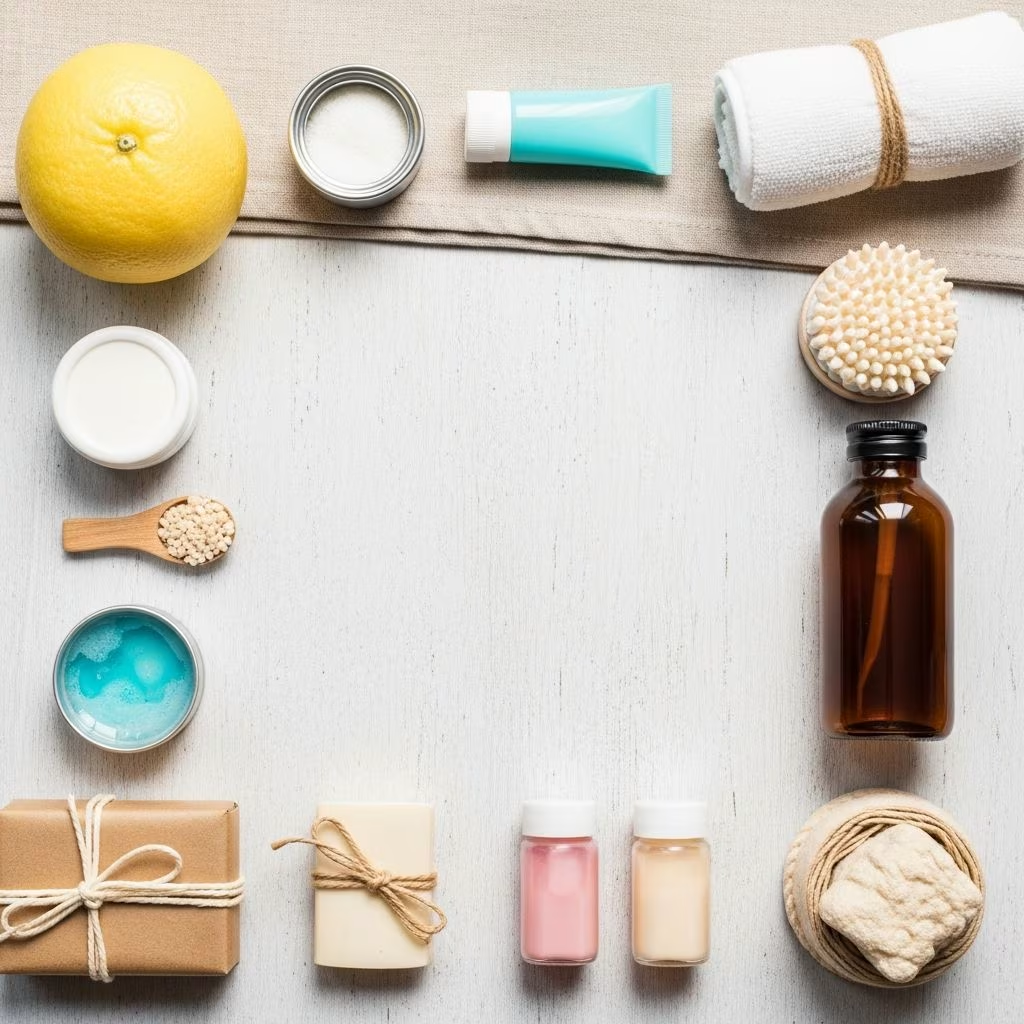
Just because you are on a budget does not mean you have to give up feeling relaxed, pampered, and taken care of. In fact, making room for low-cost self-care can support your mental and physical health while helping you stay motivated on your financial journey.
Many people picture pampering as expensive spa packages, luxury products, or pricey weekends away. While those can be enjoyable, they are not the only way to recharge. You can create moments of comfort and luxury at home with a small amount of money – or no money at all.
This guide walks you through:
- Why pampering yourself is important for your health and finances
- 25 ways to pamper yourself on a budget (including free and very low-cost options)
- How to stop feeling guilty about spending on self-care
- Answers to frequently asked questions about self-care and budgeting
Pamper Yourself As You Improve Your Finances: Why It Matters
Pampering yourself is a form of self-care—the deliberate actions you take to protect your mental, emotional, and physical health. Research shows that ongoing stress is linked to higher risks of heart disease, depression, anxiety, and weakened immune function. Taking time to relax and recharge can help manage stress levels and improve overall well-being.
From a financial perspective, building reasonable self-care into your budget can make it easier to stay consistent with long-term goals. When every dollar feels restricted, many people become discouraged and more likely to overspend later. Budgeted pampering helps you:
- Stick to your financial plan longer because you do not feel deprived
- Reduce stress-related spending (like impulse shopping or takeout when you feel burned out)
- Stay motivated to save and pay off debt over months and years
Think of pampering as maintenance: just as you maintain your car to keep it running, you maintain your body and mind so you can keep doing the work of improving your finances.
25 Ways To Pamper Yourself On A Budget
You do not need an expensive spa day to feel cared for. Use these affordable and simple ideas to create a pamper routine that matches your personality, schedule, and budget.
| Idea | Approximate Cost | Time Required |
|---|---|---|
| At-home massage | Free to low | 10–30 minutes |
| Bubble bath | Low | 20–40 minutes |
| DIY mani-pedi | Low | 30–60 minutes |
| Buy yourself flowers | Low | 5–10 minutes |
| DIY facial | Free to low | 15–30 minutes |
1. Give Yourself A Massage
Give your muscles some attention with an easy, at-home massage. You can use your hands, a tennis ball against the wall, or an inexpensive handheld massager.
- Focus on areas that hold tension, like your neck, shoulders, hands, and feet.
- Add a little lotion or oil to create a spa-like feel.
- If you buy a small massager, choose one that fits your budget and can be reused many times.
Massage can help reduce muscle tension and promote relaxation, which may support sleep and stress management.
2. Take A Bubble Bath
A long, warm bath is one of the easiest and cheapest ways to pamper yourself. Many people rush through their routines; instead, schedule your bath like an appointment with yourself.
- Dim the lights or use candles (safely).
- Add inexpensive bubble bath, bath salts, or a few drops of essential oil if you already have them.
- Play calming music or an audiobook while you soak.
If you do not have a bathtub, a long, warm shower with a body scrub and relaxing music can offer similar benefits.
3. Give Yourself A Manicure And Pedicure
Salon visits add up quickly, but you can recreate the experience at home with basic tools:
- Nail clippers and a nail file
- A bowl of warm water to soak your hands or feet
- Moisturizer and nail polish you already own
Take your time: file, shape, and polish your nails while listening to a podcast or watching a movie. Over time, doing your nails at home can save significant money compared with regular salon visits.
4. Buy Yourself Flowers
Fresh flowers can instantly brighten your space and your mood. Instead of waiting for a special occasion or someone else to buy them, plan a small bouquet into your grocery budget.
- Choose seasonal or store-brand bouquets to keep costs low.
- Place them where you will see them often—your desk, kitchen, or nightstand.
- Change the water regularly to make them last longer.
Studies suggest that nature and plants can have positive effects on mood and stress levels, even indoors.
5. Give Yourself A Facial
An at-home facial can feel luxurious without the spa price tag.
- Cleanse your face with a gentle cleanser.
- Use a simple DIY scrub (for example, oats or sugar mixed with a bit of oil) if it suits your skin type.
- Apply a mask—store-bought or homemade (like mashed avocado or yogurt).
- Finish with moisturizer and a bit of face massage.
Always patch-test new ingredients and avoid anything that irritates your skin. For sensitive skin or specific conditions, follow dermatologist-approved guidance.
6. Create A Cozy Reading Corner
Transform a corner of your home into a mini retreat.
- Use pillows, blankets, and good lighting you already own.
- Borrow books or e-books from the library to keep things free.
- Set aside 20–30 minutes to read without distractions.
7. Enjoy A DIY Coffee Or Tea Ritual
Instead of buying a daily latte, recreate the experience at home.
- Use flavored syrups, cinnamon, or cocoa powder you may already have.
- Serve your drink in your favorite mug.
- Sit down and sip slowly instead of drinking on the go.
Brewing at home is a classic way to cut costs while still enjoying a treat, and those savings can be redirected to goals like paying off debt or saving.
8. Take A Nap Or Go To Bed Early
Few things feel more restorative than getting enough sleep—and it is completely free. Chronic lack of sleep is linked to higher risks of chronic conditions such as high blood pressure, diabetes, and depression.
- Give yourself permission to take a short nap if your schedule allows.
- Choose one night this weekly to go to bed 30–60 minutes earlier.
- Dim screens and lights beforehand to help you wind down.
9. Do A Gentle Stretching Or Yoga Session
A short stretching routine or beginner-friendly yoga video can leave you feeling looser and calmer.
- Search for free beginner yoga or stretching videos from reputable organizations or trainers.
- Use a mat or a folded towel on the floor.
- Focus on slow breathing and moving within your comfort level.
10. Have A Solo Movie Or Series Night
Turn a regular evening into a mini event.
- Pick a favorite movie, comfort show, or new documentary.
- Prepare homemade popcorn or a simple snack.
- Put your phone on silent and enjoy being offline.
11. Journal Or Brain-Dump Your Thoughts
Writing can be a powerful way to process emotions and reduce stress. You only need paper and a pen or a free notes app.
- Try writing three things you are grateful for.
- Do a 10-minute brain dump of everything on your mind.
- Reflect on small wins in your financial and personal life.
12. Plan A Simple At-Home Spa Night
Combine a few of the ideas above into a single spa-themed evening.
- Light a candle or play soft music.
- Do a face mask, foot soak, and manicure.
- Wear your softest pajamas or a robe.
13. Take A Walk In Nature
Fresh air and movement can be deeply soothing, and walking is a free, accessible way to care for both body and mind.
- Walk in a park, along a tree-lined street, or by water if possible.
- Leave your headphones at home and pay attention to sights and sounds.
- Invite a friend if you want company.
Spending time in nature is associated with improved mood and reduced stress.
14. Cook Yourself A Comforting Meal
Instead of ordering takeout, plan a comforting but affordable meal at home.
- Pick a recipe you enjoy that uses ingredients you already have or that are on sale.
- Set the table nicely, even if you are eating alone.
- Eat slowly and savor the food rather than rushing.
15. Declutter A Small Area For A Fresh Start
Clearing a small space can make your home feel calmer and more inviting.
- Choose one drawer, shelf, or corner to tidy.
- Gather items to donate or sell if they are in good condition.
- Reorganize using boxes or containers you already have.
16. Practice A Mini Digital Detox
Stepping away from screens for a little while can feel like a mental reset.
- Try a 1–3 hour block with no social media.
- Put your phone in another room while you read, cook, or walk.
- Notice how your mood and focus feel afterward.
17. Listen To A Guided Meditation Or Breathing Exercise
Guided meditations and breathing practices are widely available for free through apps and online resources.
- Start with a 5–10 minute practice.
- Choose a topic like stress relief, sleep, or gratitude.
- Use headphones to block out distractions.
Mindfulness and meditation have been shown to help reduce stress and anxiety and improve overall well-being.
18. Create A DIY Home Facial Steam
A simple facial steam can feel soothing and help you relax.
- Boil water and carefully pour it into a heat-safe bowl.
- Let it cool slightly, then lean over the bowl with a towel over your head, keeping a safe distance.
- Steam for a few minutes, then gently pat your skin dry.
Be cautious with hot water to avoid burns, and skip this step if you have skin or breathing conditions that could be aggravated.
19. Try A New Hairstyle Or Hair Treatment At Home
Use inexpensive hair masks, conditioners, or DIY treatments suited to your hair type.
- Apply a deep conditioner and wrap your hair in a towel while you relax.
- Experiment with a new braid, bun, or styling technique.
- Avoid making drastic cuts or chemical changes unless you are sure of the process.
20. Work On A Creative Hobby
Creativity can be very soothing and grounding. You do not need fancy supplies to enjoy a hobby.
- Sketch, color, or doodle with basic pens and pencils.
- Try simple crafts using materials you already own.
- Write a poem, story, or song just for yourself.
21. Play Music You Love
Music is a powerful mood booster and completely free if you use the radio or ad-supported streaming.
- Create a playlist that makes you feel calm or energized.
- Have a mini dance party in your living room.
- Use music to mark the start or end of your pamper time.
22. Spend Time With Friends Or Loved Ones
Connection is a key part of emotional well-being. Quality time does not have to be expensive.
- Invite a friend over for coffee or tea at home.
- Go for a walk together instead of meeting at a restaurant.
- Host a game night using games you already have.
Strong social connections are associated with better health and longevity.
23. Have A DIY Photo Shoot
Turn on your camera or phone and have fun taking pictures.
- Experiment with outfits from your closet.
- Use natural lighting by a window.
- Create a folder of photos that make you feel confident.
24. Redecorate With What You Already Have
Refreshing your space can make it feel new without spending money.
- Move furniture or decor items to different rooms.
- Rearrange shelves or artwork.
- Create a new centerpiece with books, candles, or plants.
25. Plan A Future Goal Day
Sometimes the most motivating form of pampering is giving your future self something to look forward to.
- Spend time dreaming and planning a future trip, experience, or milestone.
- Research low-cost ways to make it happen.
- Set a small savings goal and add it to your budget.
How Not To Feel Guilty When You Pamper Yourself
It is common to feel guilty spending money on yourself, especially when you are focused on saving, paying off debt, or recovering from financial setbacks. But not every dollar has to go to a serious goal.
To reduce guilt:
- Create a self-care line in your budget. Decide in advance how much you will spend each month on pampering, even if it is a small amount. Budgeting gives you permission to enjoy it.
- Prioritize essentials first. Make sure rent, food, savings, and debt payments are covered. Then use part of your flexible spending for self-care.
- Focus on value, not price. Ask, “Does this purchase genuinely help me rest, recover, or feel better?” Choose activities that offer the most benefit for the least cost.
- Remember that rest prevents burnout. When you are exhausted, you are more likely to overspend, skip financial planning, or make impulsive decisions.
Healthy self-care supports your ability to keep earning, planning, and staying consistent. Seen that way, thoughtful pampering is part of taking your finances seriously, not the opposite.
Pampering Yourself Is Worth It
Being on a budget does not mean ignoring your needs. By planning small, affordable treats and free moments of rest, you can protect your health while still moving toward your financial goals.
Start by choosing one or two ideas from the list above and adding a small self-care amount to your budget. Over time, these simple habits can help you feel more balanced, less stressed, and more motivated to stick with your money plan.
Frequently Asked Questions (FAQs)
Q: How much should I budget for pampering or self-care?
A: There is no single right number, but many people start with a small, fixed amount such as 1–5% of their monthly income, after covering essentials and savings. The key is to choose an amount that supports your well-being without slowing your progress toward financial goals.
Q: Is pampering myself irresponsible if I am in debt?
A: Thoughtful, low-cost self-care is not irresponsible. As long as your minimum payments, essential expenses, and some savings are covered, a modest self-care budget can help you avoid burnout and stay committed to your debt payoff plan.
Q: What are some completely free ways to pamper myself?
A: Free options include taking a nap, going for a walk, stretching, listening to music, journaling, borrowing books or movies from the library, having a digital detox, or enjoying a long bath or shower with products you already own.
Q: How do I make time for self-care on a busy schedule?
A: Start small by scheduling short blocks of 10–20 minutes for yourself a few times per week. Treat these appointments like any other commitment. Over time, you can adjust the length and frequency as your schedule allows.
Q: Can pampering myself really improve my health?
A: Pampering itself is not a medical treatment, but activities that reduce stress, support sleep, encourage movement, and strengthen social connections are linked to better physical and mental health. If you have health concerns, also follow the guidance of qualified healthcare professionals.
References
- Self-care interventions for health — World Health Organization. 2021-06-14. https://www.who.int/health-topics/self-care
- Stress effects on the body — American Psychological Association. 2018-11-01. https://www.apa.org/topics/stress/body
- Massage therapy: What you need to know — National Center for Complementary and Integrative Health (NIH). 2023-09-29. https://www.nccih.nih.gov/health/massage-therapy-what-you-need-to-know
- Nature and mental health — Bratman GN et al., Science Advances. 2019-07-24. https://www.science.org/doi/10.1126/sciadv.aax0903
- Skin care and aging — Mayo Clinic. 2022-03-18. https://www.mayoclinic.org/healthy-lifestyle/adult-health/in-depth/skin-care/art-20048237
- Public libraries and community engagement — Institute of Museum and Library Services (US). 2021-07-15. https://www.imls.gov/issues/national-initiatives
- Budgeting and saving — Consumer Financial Protection Bureau. 2023-02-15. https://www.consumerfinance.gov/consumer-tools/budgeting/
This article is general information, not personal financial advice. Consider your own situation, or speak with a licensed adviser, before acting on it.


