

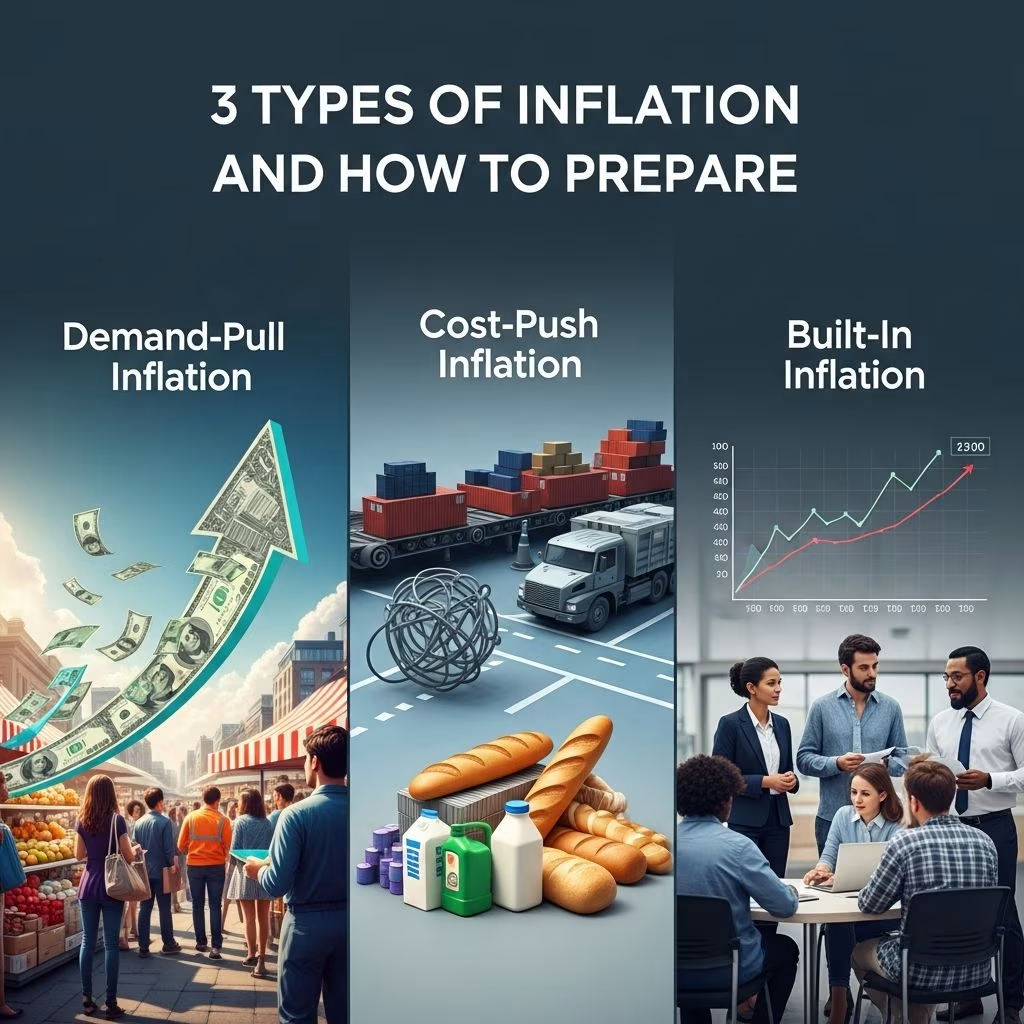
As prices rise and the cost of living escalates, grasping the **three primary types of inflation**—demand-pull, cost-push, and built-in—is essential for protecting your financial future. These forces erode purchasing power, but with targeted strategies like diversified investments, energy efficiency, and fixed-rate debt, you can maintain stability and even thrive.
Inflation’s reach extends from individual wallets to global markets, diminishing what your money can buy over time. For instance, persistent inflation means a dollar today purchases less tomorrow, prompting shifts in consumer habits toward preemptive spending and favoring inflation-beating assets like stocks or property. Central banks counter this via interest rate hikes to balance growth and stability.
What Is Inflation?
**Inflation** represents the sustained rise in general price levels for goods and services over time, typically measured by indices like the Consumer Price Index (CPI). It reduces purchasing power, as each unit of currency buys fewer items. Moderate inflation (around 2%) signals a healthy economy, but higher rates strain budgets, savings, and fixed incomes.
Historically, inflation has fluctuated with economic cycles. In the U.S., the Federal Reserve targets 2% annual inflation to foster growth without overheating. However, spikes—like those in the 1970s or post-2020—highlight vulnerabilities, influencing everything from wage negotiations to investment choices.
Types of Inflation
Inflation isn’t monolithic; it manifests in distinct forms with unique triggers and remedies. Here’s a breakdown of the **three main types**:
1. Demand-Pull Inflation
**Demand-pull inflation** arises when aggregate demand exceeds supply, driving prices upward as consumers compete for limited goods. This ‘too much money chasing too few goods’ scenario thrives in booms with high confidence and spending.
A classic example is the U.S. 1960s expansion, where robust growth outpaced production, inflating prices. Today, post-pandemic stimulus fueled similar dynamics, with pent-up demand overwhelming supply chains.
- Causes: Economic booms, low unemployment, government spending surges, or easy monetary policy.
- Effects: Broad price hikes reduce real income if wages lag; central banks raise rates to curb borrowing and spending.
To counter it personally, prioritize investments in equities or real estate, which often appreciate faster than inflation.
2. Cost-Push Inflation
**Cost-push inflation** occurs when production costs—raw materials, labor, or energy—rise, forcing businesses to pass expenses to consumers. Demand remains steady, but supply shrinks, elevating prices.
The 1970s oil crises exemplify this: OPEC embargoes quadrupled petroleum prices, rippling through manufacturing and transport. More recently, COVID-19 disruptions and geopolitical tensions spiked commodity costs, from lumber to semiconductors.
- Triggers: Supply shocks (wars, disasters), wage hikes (minimum wage increases), monopolies, taxes/regulations, or currency depreciation raising import costs.
- Impacts: Hits essentials like fuel, food, and housing hardest; stagflation risk (inflation + stagnation) looms if demand doesn’t fall.
Unlike demand-pull, where excess demand bids up prices, cost-push stems from supply constraints. Natural disasters or monopolies exacerbate it by limiting alternatives.
| Type | Cause | Example |
|---|---|---|
| Demand-Pull | Demand > Supply | 1960s U.S. boom |
| Cost-Push | Rising production costs | 1970s oil shock |
3. Built-In Inflation
**Built-in inflation**, or wage-price spiral, is self-perpetuating: Workers demand raises to match living costs, businesses hike prices to cover wages, fueling further demands. This feedback loop sustains inflation without external shocks.
Common in union-heavy or high-inflation eras, it erodes real wages if productivity doesn’t rise. Policies tying wages to productivity or tech investments break the cycle.
- Dynamics: Expectations of ongoing inflation embed higher costs into contracts and pricing.
- Consequences: Diminishes living standards; fixed-income earners suffer most.
How Inflation Affects You
Inflation universally chips at **purchasing power**. Savings in low-yield accounts lose value rapidly—a 3% return matches 3% inflation yields zero real growth. Bonds falter too, as fixed payments buy less; equities fare better via price pass-throughs, though volatility rises.
Daily life shifts: Groceries, rent, and fuel consume more budget. Retirees on pensions face steep declines without adjustments. Broader effects include deferred investments and policy responses like rate hikes, slowing borrowing for homes or cars.
How to Prepare for Inflation
Proactive steps mitigate inflation’s bite across types:
For Demand-Pull Inflation
- Lock in fixed-rate loans before rates climb.
- Diversify into stocks, real estate—assets historically outpacing CPI.
- Boost savings rates early.
For Cost-Push Inflation
- Invest in commodities (gold, oil) as hedges.
- Adopt energy-efficient practices to cut utility bills.
- Businesses: Streamline operations, source alternatives.
For Built-In Inflation
- Upskill for wage-competitive sectors.
- Automate personal/business processes to offset labor costs.
- Seek inflation-linked income (COLA-adjusted jobs/pensions).
Universal hedges: **TIPS** and I Bonds adjust for CPI, preserving real returns. Short-term bonds or ladders offer reinvestment flexibility. Equities provide long-term resilience.
| Asset Class | Inflation Resilience | Strategy |
|---|---|---|
| Cash/MMAs | Low | Avoid long holds |
| Bonds | Moderate (TIPS best) | Short duration |
| Equities | High long-term | Diversify sectors |
| Commodities | High | Gold/oil ETFs |
Bottom Line
Distinguishing **demand-pull, cost-push, and built-in inflation** empowers tailored defenses. By diversifying portfolios, hedging with TIPS/commodities, and enhancing efficiency, you preserve purchasing power amid uncertainty. Consult a financial advisor for personalized plans.
Frequently Asked Questions (FAQs)
What is the main cause of demand-pull inflation?
Demand-pull inflation stems from aggregate demand exceeding supply, often during economic booms.
How does cost-push inflation differ from demand-pull?
Cost-push results from rising production costs with steady demand, while demand-pull involves excess demand chasing limited supply.
Can built-in inflation create a spiral?
Yes, wage hikes lead to price increases, prompting more demands in a self-reinforcing loop.
What investments beat inflation?
TIPS, equities, real estate, and commodities historically outperform.
Is moderate inflation harmful?
No, around 2% supports growth; excessive levels erode savings.
References
- 3 Types of Inflation and How to Prepare — SmartAsset. 2023. https://smartasset.com/personal-finance/types-of-inflation
- Nominal vs. Real Return: How Inflation Affects Investments — AOL. 2023. https://www.aol.com/nominal-vs-real-return-inflation-190016743.html
- Cost-Push Inflation: Definition & Examples — SmartAsset. 2023. https://smartasset.com/financial-advisor/cost-push-inflation
- What Is Inflation and How Does It Affect You? — SmartAsset. 2023. https://smartasset.com/financial-advisor/how-does-inflation-affect-you
This article is general information, not personal financial advice. Consider your own situation, or speak with a licensed adviser, before acting on it.


