

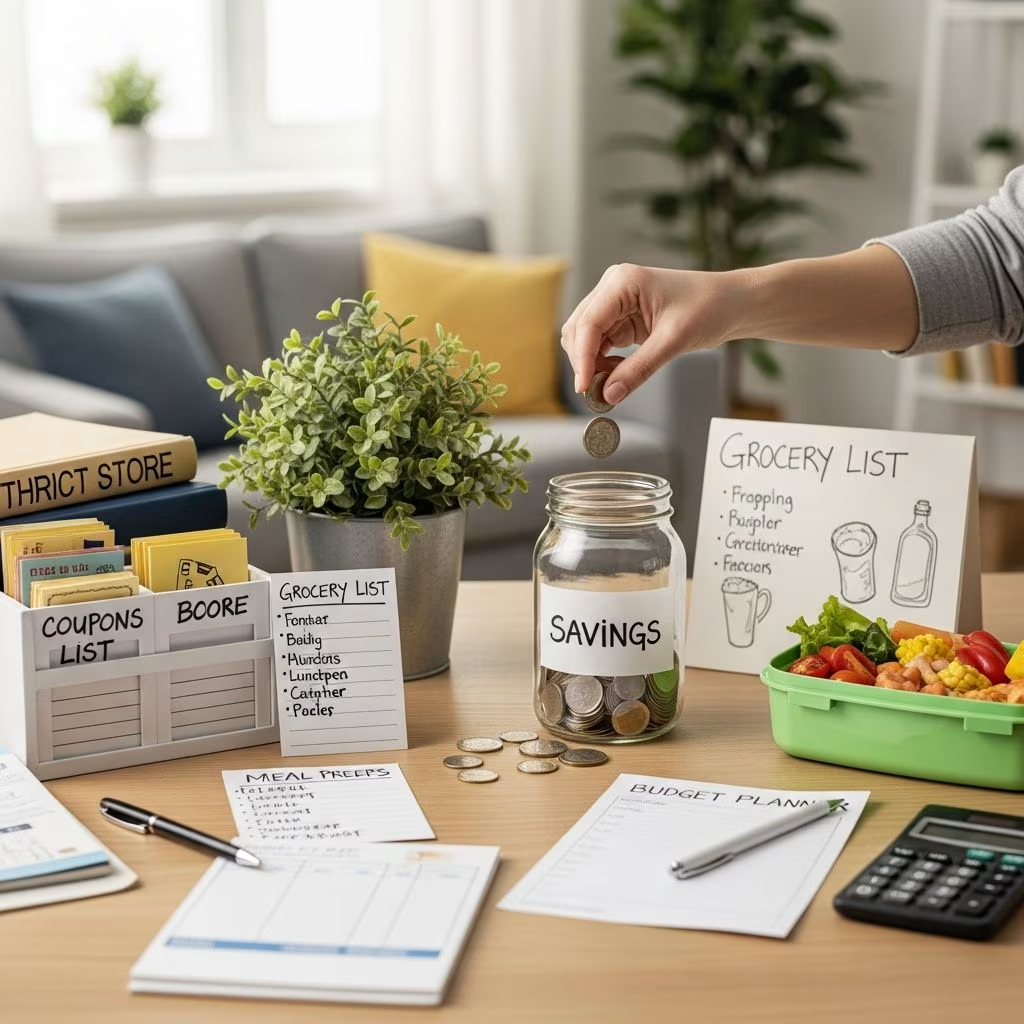
Frugal living is not about deprivation. It is about being intentional with your money so you can lower expenses, avoid unnecessary debt, and save for the goals you care about most. By aligning your spending with your values, you can live well on less and build real financial security over time.
Below you will find 37 practical frugal living tips organized by theme. Use them to design a money plan that works for your life, not someone else’s.
What Is Frugal Living?
Frugal living means making conscious choices to spend less, waste less, and prioritize what truly matters to you. It is different from simply being cheap: frugality focuses on long-term value, quality, and purpose rather than the lowest possible price.
Research shows that consistently saving, even in small amounts, is one of the strongest predictors of financial resilience and future wealth-building, especially when combined with reduced high-interest debt.
| Frugal | Cheap |
|---|---|
| Pays for quality that lasts longer | Always picks the lowest price |
| Cuts expenses that don’t match values | Cuts everything, even meaningful spending |
| Thinks long-term: maintenance, warranties, repairs | Focused only on immediate savings |
| Seeks balance between saving and enjoying life | Often results in burnout or regret |
Why Frugal Living Matters For Your Finances
Frugal habits can dramatically change your financial trajectory. By lowering everyday costs, you free up money to:
- Build an emergency fund and buffer against job loss or unexpected bills.
- Pay down high-interest debt faster, reducing interest charges.
- Increase retirement contributions and long-term investments.
- Reduce money stress and improve your sense of control over your life.
Studies from central banks and financial regulators consistently show that households who budget, track expenses, and limit high-interest debt are significantly less likely to experience financial hardship.
Frugal Living Tips To Transform Your Money
Use these tips as a menu, not a rigid checklist. Start with a few that feel realistic and build from there.
1. Start Budgeting
A budget is a plan for how you will use your money each month. It helps you see what you earn, where it goes, and what you can change.
- List your monthly income after taxes.
- Write down fixed expenses (housing, utilities, debt payments).
- Estimate variable expenses (food, gas, fun money).
- Assign every dollar a job: spending, saving, or debt payoff.
Popular methods like the 50/30/20 rule (50% needs, 30% wants, 20% savings and debt payments) can be a simple starting point.
2. Track Every Dollar You Spend
Tracking expenses shows you the truth about your habits. Many people underestimate how much they spend on small daily purchases.
- Use a budgeting app, spreadsheet, or notebook.
- Review your bank and card statements weekly.
- Look for patterns: subscriptions you don’t use, frequent takeout, impulse buys.
3. Cut Irregular And Recurring Expenses
Frugal living starts with trimming the obvious leaks:
- Cancel unused subscriptions and memberships.
- Negotiate lower rates on internet, phone, and cable.
- Review annual bills (insurance, services) and shop around.
4. Embrace Meal Planning And Cooking At Home
Food is one of the biggest flexible expenses. Cooking more at home can slash your spending while improving nutrition.
- Plan meals for the week using what you already have.
- Create a focused grocery list and stick to it.
- Cook in batches and freeze leftovers to reduce waste.
Households that consistently eat at home instead of dining out often save hundreds of dollars per month, leaving more room for savings and debt repayment.
5. Use Coupons And Cash-Back Strategically
Coupons and cash-back tools can be frugal when used with intention:
- Clip digital or paper coupons for items you already planned to buy.
- Use cash-back apps or cards only if you pay the balance in full.
- Avoid buying things just because there is a discount.
6. Sell Things You Don’t Need
Decluttering your home can create both physical and financial space.
- List quality items on local marketplaces or resale apps.
- Host a yard or garage sale for low-cost items.
- Use the cash to start or grow your emergency fund.
7. Buy Used Whenever Possible
Buying secondhand is one of the most effective frugal living strategies.
- Shop thrift stores, consignment shops, and online marketplaces.
- Look for used furniture, tools, baby items, books, and clothes.
- Check quality carefully and compare to new prices.
8. Avoid Lifestyle Creep
When income increases, it is tempting to upgrade everything. Lifestyle creep can quietly swallow your raises and bonuses.
- Keep housing and transportation costs stable when your income grows.
- Increase debt payments and retirement contributions instead.
- Reward yourself with small, planned treats rather than big permanent upgrades.
9. Focus On Needs, Not Constant Wants
Frugal living asks, “Is this a need, a want, or a temporary desire?”
- Clarify your non-negotiable needs (housing, utilities, food, healthcare).
- Delay non-essential purchases for 24–72 hours before buying.
- Use a wish list instead of impulse buying.
10. Live Below Your Means
To build savings and avoid debt, you must consistently spend less than you earn.
- Keep fixed expenses at a comfortable percentage of your income.
- Use raises to improve your balance sheet instead of only your lifestyle.
- Adopt a simple mantra: “I don’t have to upgrade everything just because I can.”
11. Walk Or Bike When You Can
Transportation is a major budget category. Walking or biking when possible can:
- Save money on gas, parking, and car maintenance.
- Improve your physical health through regular exercise.
- Reduce your environmental impact.
12. Shop Around For The Best Insurance
Insurance is essential, but overpaying is not frugal. Regularly:
- Compare quotes for auto, renters, homeowners, and health insurance.
- Ask about discounts for safe driving, bundling, or loyalty.
- Review coverage annually as your life changes.
13. Reduce Housing Costs Where Possible
Housing is usually the largest single expense. Consider:
- Negotiating rent at lease renewal when local markets soften.
- Taking on a roommate or renting out a spare room where allowed.
- Downsizing to a smaller or more affordable place if your housing ratio is too high.
14. Build An Emergency Fund
An emergency fund is a cornerstone of frugal financial planning. It helps you avoid high-interest debt when surprise expenses appear.
- Start with a small target like $500–$1,000.
- Work up to 3–6 months of essential expenses over time.
- Keep it in a separate, easy-to-access savings account.
15. Switch To A More Affordable Phone And Internet Plan
Phone and internet bills can often be reduced without losing necessary features.
- Compare prepaid and low-cost carriers.
- Downgrade from premium plans you do not fully use.
- Ask your provider for any current promotions.
16. Minimize High-Interest Debt
High-interest debt, especially credit card balances, undermines frugal living. The average credit card interest rate is often above 15–20%, making balances expensive to carry over time.
- List all debts with balances, minimums, and interest rates.
- Choose a payoff strategy: debt snowball (smallest first) or avalanche (highest rate first).
- Avoid adding new charges while you are paying them down.
17. Avoid New Credit Card Debt
Frugal living means using credit cards as tools, not crutches.
- Pay your balance in full each month whenever possible.
- Lower your credit limit if it tempts overspending.
- Use a debit card or cash if credit encourages impulse purchases.
18. Automate Savings And Bill Payments
Automation removes mental friction and protects your goals.
- Set up automatic transfers to savings right after payday.
- Automate debt payments to avoid late fees and protect your credit report.
- Treat savings like a fixed bill you must pay.
19. Try A Low-Buy Or No-Spend Challenge
Short-term challenges can reset your habits and help you see how little you actually need.
- Pick a timeframe (week, month) and define what you can and cannot buy.
- Use what you already own before purchasing anything new.
- Track how much you save and how it feels to spend less.
20. Use Money-Making Apps And Side Income
Sometimes the easiest way to free up cash is to earn a bit more in addition to cutting expenses.
- Sell items, offer freelance services, or take on occasional gigs.
- Use reputable apps that pay you for tasks, surveys, or cash-back on groceries.
- Direct extra income to savings or debt payoff, not new lifestyle upgrades.
21. Buy In Bulk (Wisely)
Buying in bulk can reduce the price per unit, but it only saves money if you use what you buy.
- Focus on non-perishable staples like toilet paper, rice, beans, and cleaning supplies.
- Avoid overbuying perishable items that may go to waste.
- Store bulk items properly to prevent damage or spoilage.
22. Cut Cable And Reduce Entertainment Costs
Entertainment is important, but it does not have to be expensive.
- Replace cable with one or two low-cost streaming options.
- Use your local library for free books, movies, and events.
- Plan free or cheap activities: picnics, game nights, hiking, or community events.
23. Travel Frugally
You can enjoy travel without financial regret by planning carefully.
- Travel during off-peak seasons when prices are lower.
- Compare transportation options and stay in budget-friendly lodging.
- Set a travel fund and save in advance instead of using credit.
24. Do More At Home: Beauty, Repairs, And Hobbies
Outsourcing every service can add up quickly.
- Learn simple DIY tasks like minor home repairs or basic car maintenance.
- Reduce salon visits by learning simple at-home care between appointments.
- Explore low-cost hobbies like reading, walking, or crafts with inexpensive supplies.
25. Make Gifts Instead Of Buying Them
Thoughtful, homemade gifts can be more meaningful and less expensive.
- Consider baking, crafts, framed photos, or handwritten letters.
- Set a clear gift budget for holidays and celebrations.
- Plan ahead to avoid last-minute overspending.
26. Lower Your Electric Bill
Small energy changes can lower your utility costs and your environmental impact.
- Turn off lights and unplug electronics when not in use.
- Use fans or adjust the thermostat a few degrees to reduce heating and cooling costs.
- Wash clothes in cold water and air-dry when possible.
27. Reduce Water And Other Utility Costs
Utilities provide essential services, but you can often use less without feeling deprived.
- Fix leaks and install low-flow fixtures where possible.
- Limit long showers and run full loads of laundry and dishes.
- Monitor your monthly usage and set a reduction target.
28. Plan Your Shopping Trips
Unplanned store visits encourage impulse spending.
- Go to the store with a list and a set budget.
- Avoid shopping when tired, hungry, or stressed.
- Limit how often you browse online stores “for fun.”
29. Learn To Say No
Frugal living often requires setting boundaries around money.
- Be honest with friends and family about your financial goals.
- Suggest lower-cost alternatives for social activities.
- Remember that saying no to some things means saying yes to your future stability.
30. Determine What You Can Live Without
Minimalism and frugality often overlap. You may discover that life feels freer with less.
- Review each recurring cost and ask, “Is this still adding value to my life?”
- Test going without certain items or services for 30 days.
- Keep what genuinely improves your wellbeing, not just what you are used to.
Putting Your Frugal Plan Into Action
The goal is not to implement all 37 tips overnight. It is to design a sustainable, values-based spending plan that helps you save, reduce debt, and live with less financial stress.
- Choose 3–5 tips to start with this month.
- Track your progress weekly and adjust as needed.
- Add more strategies as your new habits feel comfortable.
Frequently Asked Questions (FAQs)
Q: Is frugal living the same as being cheap?
A: No. Frugal living focuses on getting the best long-term value for your money and spending in line with your priorities. Being cheap usually means choosing the lowest cost in every situation, even when it leads to poor quality, strained relationships, or higher costs later.
Q: How do I start living frugally if I feel overwhelmed?
A: Start small. Create a simple budget, track your spending for one month, and pick just two or three expenses to reduce, such as eating out, subscriptions, or impulse purchases. Once those changes feel normal, add more strategies gradually.
Q: Can I still enjoy life while living frugally?
A: Yes. Effective frugal living makes room for the things you truly enjoy by cutting spending on what does not matter. You can still budget for travel, hobbies, and treats; you will simply plan and save for them in advance instead of relying on debt.
Q: How much should I save each month while practicing frugal living?
A: There is no one-size-fits-all number, but many guidelines recommend aiming to save at least 10–20% of your income if possible, directing some toward an emergency fund and some toward long-term goals. If that is not realistic yet, start with a smaller percentage and increase it as you free up money by cutting expenses.
Q: What if my income is low and I have already cut many expenses?
A: If your budget is already very lean, focus on maximizing available support programs, avoiding new high-interest debt, and exploring ways to increase income, such as additional training, side work, or negotiated pay raises. Even small increases in earnings can have a meaningful impact when combined with careful spending.
References
- Emergency Savings and Financial Security — Consumer Financial Protection Bureau. 2017-09-26. https://www.consumerfinance.gov/data-research/research-reports/emergency-savings-and-financial-security/
- Building Wealth: A Beginner’s Guide to Securing Your Financial Future — Federal Reserve Bank of Dallas. 2019-01-01. https://www.dallasfed.org/~/media/documents/cd/wealth/wealth.pdf
- Credit Card Interest Rates — Federal Reserve Board, Consumer Credit G.19. 2024-05-07. https://www.federalreserve.gov/releases/g19/current/
- Budgeting for College Students — Federal Trade Commission. 2022-08-01. https://www.consumer.ftc.gov/articles/budgeting-college-students
- Food Prices and Spending — U.S. Department of Agriculture, Economic Research Service. 2023-10-10. https://www.ers.usda.gov/data-products/food-expenditure-series/
- Energy Saver Guide: Tips on Saving Money and Energy at Home — U.S. Department of Energy. 2017-01-01. https://www.energy.gov/eere/energy-efficiency-homes/energy-saver-guide-tips-saving-money-and-energy-home
This article is general information, not personal financial advice. Consider your own situation, or speak with a licensed adviser, before acting on it.


