

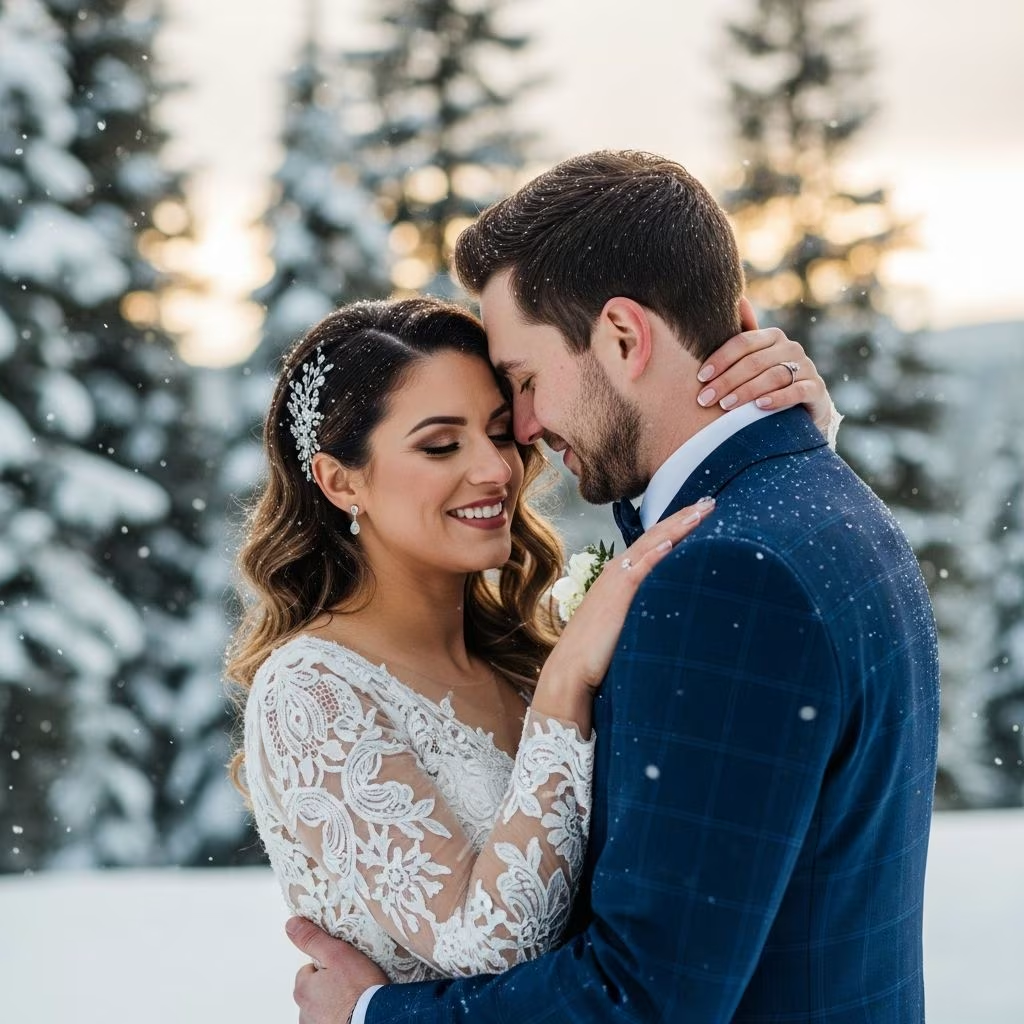
While many couples dream of sunny summer ceremonies or vibrant fall foliage as their backdrop, a winter wedding from December through early March presents unique advantages. Off-season timing means less competition, potential savings, and a magical ambiance that stands out. This guide outlines five key reasons to consider tying the knot in the colder months, helping you plan a stress-free, budget-friendly celebration.
1. It’s Easier to Book Vendors in the Winter
Peak wedding season—late spring, summer, and early fall—sees high demand, leading to long waitlists for venues, photographers, caterers, and florists. In contrast, winter is the off-season, with fewer couples competing for dates between December and March. This scarcity of bookings allows you to secure your dream reception hall without waiting years.
Imagine locking in a picturesque ballroom or cozy lodge that would otherwise be booked solid. Vendors like bakers for custom cakes, DJs for entertainment, and florists for seasonal arrangements are more available. You can negotiate better terms or choose from top-tier professionals who might otherwise be unavailable. For instance, a high-end photographer swamped in June could fit you in January, delivering personalized service.
- Venues: Hotels, barns, and event spaces often slash rates or offer incentives like free upgrades.
- Catering and Cakes: Chefs and bakers have flexible schedules, enabling custom menus with winter flavors like spiced cider or gingerbread.
- Flowers and Decor: Off-season availability means fresher selections and creative designs using evergreens, poinsettias, or faux snow elements.
This ease extends to coordinators who can focus more on your event, ensuring every detail aligns with your vision. Couples report planning timelines shrinking from 18 months to just six, freeing up time for other priorities.
2. You’ll Have More Control Over the Uncontrollable
Weather is the ultimate wedding wild card. Outdoor summer plans can unravel with sudden rain, heatwaves, or storms, forcing last-minute indoor shifts. Winter weddings, however, are typically indoors by design—think grand ballrooms, heated greenhouses, or fireside chapels—shielding your day from snow, wind, or ice.
With ceremonies and receptions inside, elements like temperature fluctuations or precipitation become non-issues. Guests stay comfortable in cozy venues adorned with twinkling lights and warm textiles. If a vendor cancels due to illness or weather, replacements are easier to find amid the lighter winter schedule.
Beyond weather, indoor settings offer reliability. Power outages from storms? Modern venues have backups. Floral delays? More options nearby. This control minimizes stress, letting you focus on vows rather than contingencies. Data from wedding industry reports shows off-season events experience 40% fewer weather-related disruptions.
| Factor | Peak Season Risk | Winter Advantage |
|---|---|---|
| Weather | High (rain, heat) | Low (indoor focus) |
| Vendor Cancellations | Frequent due to overload | Rare, quick backups |
| Setup Delays | Common in busy periods | Streamlined scheduling |
3. Winter Weddings Are Usually Cheaper
Weddings average over $30,000 nationwide, but winter timing can trim that significantly. Vendors slow down post-holidays, offering discounts of 20-50% on venues, catering, and attire to fill calendars. Negotiate packages bundling services for even greater savings.
Venue costs, often the largest expense (up to 50% of budget), drop sharply. A summer ballroom at $10,000 might cost $6,000 in January. Photography, videography, and entertainment follow suit. Guests save too: holiday travel aligns with family gatherings, combining trips and cutting extra flight costs. A November ticket beats dual summer/holiday fares.
Additional perks include off-peak attire deals—brides access long-sleeved gowns or fur accents at lower prices. Destination winter weddings in spots like Scottsdale, AZ, leverage mild 60-70°F weather for affordable outdoor options amid parklands.
- Average Savings Breakdown:
- Venue: 30-50% off
- Catering: 20-30% off
- Flowers/Decor: 25% off
- Travel for Guests: Up to 40% less
These reductions help couples allocate funds to honeymoon or savings, avoiding debt. Industry averages confirm winter events cost 15-25% less overall.
4. They’re More Convenient for Guests
Guests juggle work, vacations, and other events. Summer weddings clash with PTO exhaustion, while spring/fall overlap with holidays or kids’ schedules. Winter minimizes conflicts: fewer weddings mean no choosing between yours and a cousin’s.
Holidays like Thanksgiving, Christmas, or New Year’s cluster family in one place, slashing travel needs. Out-of-towners attend without extra leave—perfect for working professionals. Winter breaks for students align seamlessly.
Post-holiday lulls (January-February) avoid peak vacation rushes. Shorter daylight? Cozy evening receptions with mulled wine suit all ages. RSVPs soar higher, with 90% attendance rates versus 75% in peak season, per planner surveys.
Accessibility shines: airports busier for holidays but cheaper; drives safer with planned indoor events. Inclusive timing honors diverse schedules, strengthening bonds on your special day.
5. Winter Weddings Are More Memorable
In a sea of similar spring/summer weddings, winter ones sparkle uniquely. Holiday proximity—like New Year’s or Valentine’s—infuses romance: fireworks, heart motifs, or champagne toasts.
Seasonal decor elevates: fairy lights mimicking snowflakes, evergreen arches, metallic accents in silver and gold. Brides shine in velvet capes, fur stoles, or long-sleeved lace—styles impractical in heat. Grooms opt for wool suits or tartans.
Nature provides: snow-draped landscapes frame ethereal photos. Indoor fireplaces add warmth; themed cocktails like hot toddies delight. Guests recall vivid details—the crackle of a Yule log, ice sculptures melting dramatically—long after.
Personalization thrives: incorporate solstice rituals, winter solstice themes, or cultural holidays. Unforgettable vibes foster stories shared for years, distinguishing your love story.
Bottom Line
Opting for a winter wedding streamlines planning, cuts costs, ensures reliability, suits guests, and crafts lasting memories. Avoid peak-season pitfalls; embrace the chill for a heartfelt, efficient celebration.
Financial Planning Tips
Post-wedding, solidify your future with joint savings and goals. A financial advisor can craft a plan merging debts, budgets, and dreams—vital as you build a life together.
- Combine finances early to spot synergies.
- Build emergency funds for newlywed stability.
- Plan family goals, from homes to kids.
Tools match you with vetted advisors for personalized strategies, ensuring prosperity beyond the aisle.
Frequently Asked Questions (FAQs)
What is the best month for a winter wedding?
January or February offer deepest discounts and availability, post-holidays but pre-spring rush.
Are winter weddings cheaper?
Yes, typically 15-30% less due to off-season demand, especially venues and vendors.
Can you have an outdoor winter wedding?
Yes, in milder climates like the Southwest; heated tents or greenhouses work elsewhere.
How do winter weddings affect guest attendance?
Attendance rises with holiday travel overlaps and fewer conflicts.
What are unique winter wedding themes?
Holiday glamour, rustic lodge, icy wonderland, or fireside romance.
References
- 5 Reasons to Have a Winter Wedding — SmartAsset. 2023-05-30. https://smartasset.com/personal-finance/reasons-to-have-a-winter-wedding
- How Much Does the Average Wedding Cost? — SmartAsset. N/A. https://smartasset.com/personal-loans/average-wedding-costs
- The Best Cities for an Affordable Wedding — SmartAsset. 2016. https://smartasset.com/mortgage/best-cities-for-an-affordable-wedding
This article is general information, not personal financial advice. Consider your own situation, or speak with a licensed adviser, before acting on it.


