

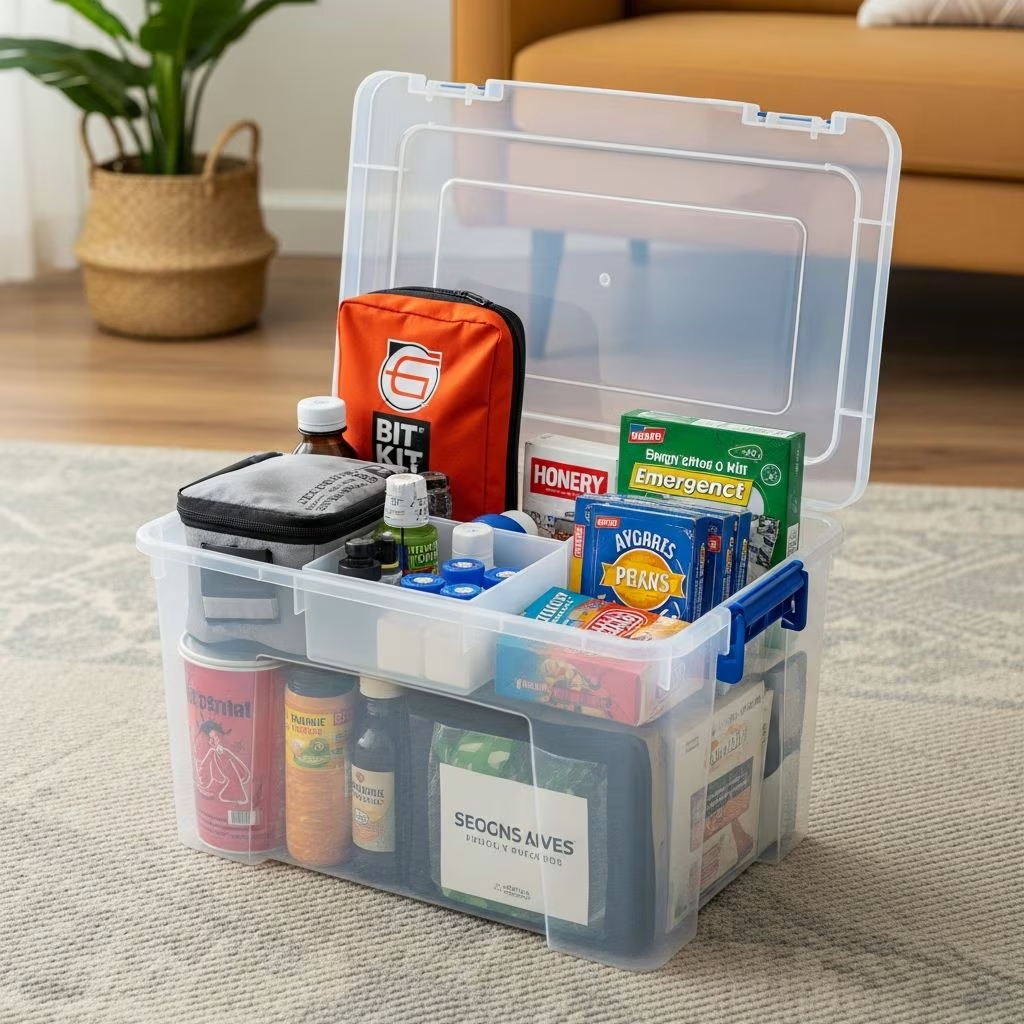
Emergencies like hurricanes, blizzards, wildfires, or power outages can strike without warning, leaving you scrambling if you’re unprepared. Pre-made emergency kits often cost over $230 and include unnecessary items. Instead, build a customized kit economically with these proven strategies. Tailor it to your family’s needs—considering ages, medications, and location—while prioritizing essentials like water, food, and medical supplies for at least 72 hours, as recommended by experts.
How to Build an Emergency Kit for Less
Creating a budget-friendly emergency kit starts with planning. Assess your risks: urban apartment dwellers may need less yard cleanup gear than homeowners facing fallen trees. Focus on portability—use a backpack or duffel for quick evacuation. Stock for one week max to avoid excess. Gather items gradually to spread costs.
1. Decide What You Need in Your Emergency Kit
The American Red Cross advises bare essentials: one gallon of water per person per day for drinking and sanitation (minimum three days), non-perishable food, battery-powered or hand-crank radio, flashlight, extra batteries, first-aid kit, whistle, dust masks, plastic sheeting, duct tape, moist towelettes, garbage bags, wrench or pliers, manual can opener, local maps, and cell phone with chargers.
Customize for your household:
- Families with kids: Include toys, crayons, coloring books, or games to reduce stress.
- Seniors: Extra medications, hearing aid batteries, and comfort items like blankets.
- Pet owners: Leashes, pet food, bowls, and waste bags.
- Homeowners: Tools like a tarp, work gloves, chainsaw fuel (if applicable), or tree limb saw.
- Apartment dwellers: Prioritize lightweight, evac-ready items.
Avoid overstocking—aim for 3-7 days’ supply to keep it manageable and affordable.
2. Prep for Free
Start with what you already own—no spending required. Inventory your home for these zero-cost essentials and consolidate them in one accessible spot, like a hall closet or go-bag:
- Cell phone chargers, power banks, and car chargers.
- Paper maps of your area (print free from online sources).
- Cash in small bills ($100-200) for ATMs that may fail.
- Extra blankets, sleeping bags, or warm clothes from closets.
- Household items like towels for sanitation or extra trash bags.
Pro tip: Download free apps for weather alerts, first-aid instructions, and offline maps before an event. Practice a family drill to ensure everyone knows where items are stored.
3. Make Quick Money to Build Your Emergency Kit on a Budget
If funds are tight, generate extra cash quickly without loans. Sell unused items on local marketplaces, do odd jobs like yard work, or use cash-back apps for everyday purchases. Set aside $20 monthly in a “disaster prep” budget category—treat it like part of your emergency fund to avoid last-minute gouging.
4. Store Enough Non-Perishable Food
Stock foods needing no cooking or refrigeration: canned goods (tuna, beans, fruits in juice), peanut butter, protein bars, jerky, crackers, trail mix, dried fruits, nuts, and ready-to-eat meals. Aim for 2,000 calories per adult daily. Rotate stock into regular meals to maintain freshness—use oldest first.
| Item | Quantity (3 Days, 4 People) | Est. Cost (Dollar Store/Generic) |
|---|---|---|
| Canned tuna/beans | 12 cans | $12 |
| Peanut butter (large jar) | 2 | $5 |
| Protein bars | 24 | $15 |
| Crackers/Dry cereal | 6 boxes | $9 |
| Total | – | $41 |
Buy generic brands and split bulk buys with neighbors to save more. Include a manual can opener ($1-2).
5. Create a First-Aid Kit
Building your own is cheaper than pre-made ($10-20 vs. $30+). Shop dollar stores, sales at pharmacies, and generics. Essentials include:
- Bandages (assorted sizes), gauze pads, adhesive tape.
- Antiseptic wipes, hydrogen peroxide, antibiotic ointment.
- Tweezers, scissors, thermometer.
- Pain relievers (ibuprofen/acetaminophen), antihistamines, anti-diarrheal.
- Personal meds (7-day supply), gloves, CPR face shield.
Tailor it: Add EpiPens for allergies or burn cream if fire risk is high. Store in a waterproof container.
6. Collect Cost-Effective Items
Smart shopping slashes costs—target dollar stores, Walmart, CVS sales, cash-back sites, and coupons. Opt for generics: batteries, bleach (for water purification), paper towels, toilet paper.
- Bulk buys: Water cases, canned goods, hygiene items—split to avoid waste.
- Battery-free options: Wind-up flashlights ($5-10), hand-crank radios/chargers ($15-20).
- Entertainment: Cards, crayons ($1 each).
- Water storage: Reuse clean 2-liter bottles; add unscented bleach (8 drops/gallon).
A basic kit for a family of four can total under $50, as shown in real builds. Avoid pre-disaster rushes—prices spike despite anti-gouging laws.
Frequently Asked Questions (FAQs)
Q: How much should an emergency kit cost?
A: A basic 3-day kit for a family can be built for $40-100 using dollar stores and household items, far less than $200+ pre-made options.
Q: What’s the minimum water to store?
A: 1 gallon per person per day for 3 days minimum (drinking/sanitation); more for hot climates or medical needs.
Q: Do I need a separate evacuation kit?
A: One versatile go-bag works for shelter-in-place or evac; add copies of IDs, insurance, and cash.
Q: How do I maintain my kit?
A: Check/replace expired items every 6 months; rotate food/water into use.
Q: What about power outages?
A: Hand-crank devices, solar chargers, extra batteries; keep fridge/freezer doors closed to preserve food.
References
- 8 Tips to Build an Emergency Kit on a Budget — The Penny Hoarder. 2023. https://www.thepennyhoarder.com/save-money/build-an-emergency-kit-on-a-budget/
- Building a Basic Emergency Preparedness Kit on a Budget — Oregon Health Authority. 2015-01-29. https://www.youtube.com/watch?v=mNsaP1yqVrc
- A Hurricane Evacuation Guide To Keep You Safe for Less Money — The Penny Hoarder. 2023. https://www.thepennyhoarder.com/save-money/hurricane-evacuation/
This article is general information, not personal financial advice. Consider your own situation, or speak with a licensed adviser, before acting on it.


