

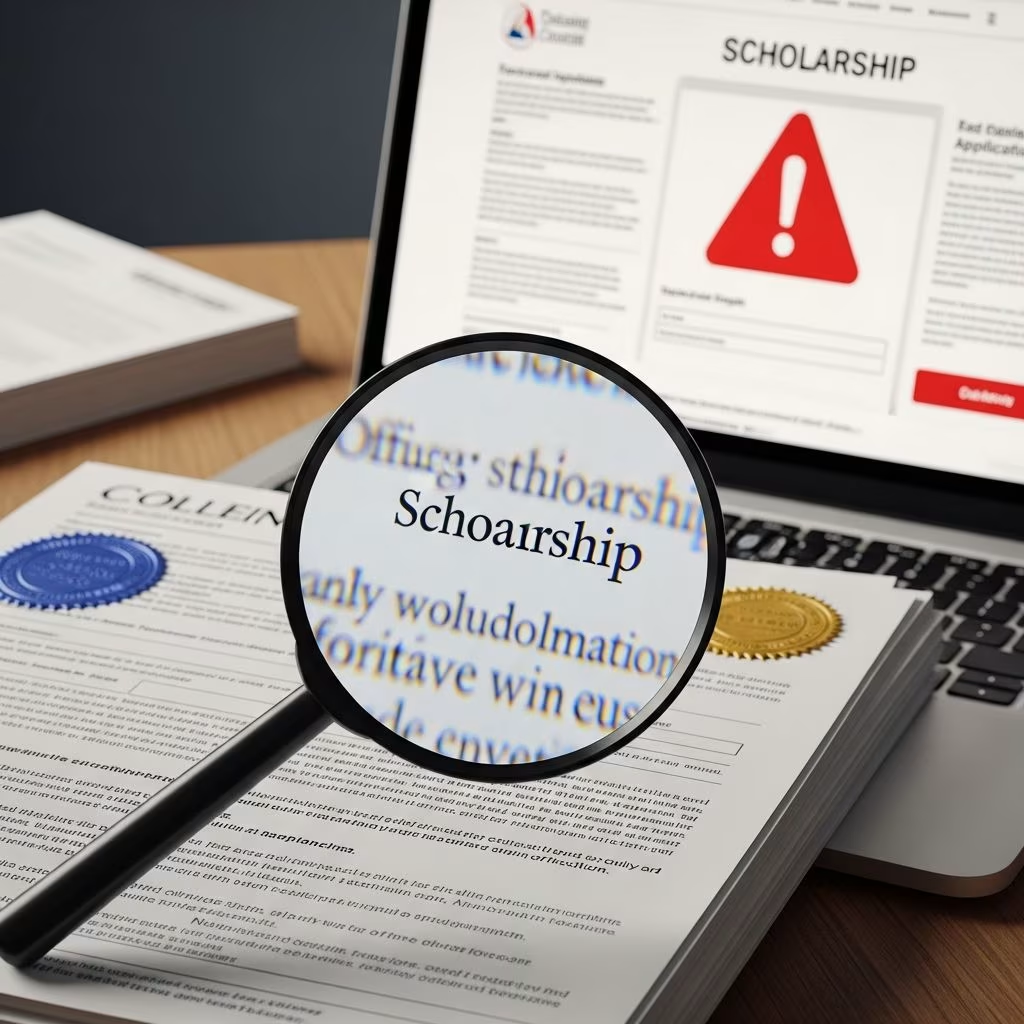
College costs are soaring, making scholarships a lifeline for many students. However, scammers exploit this need with fake opportunities that drain money and steal identities. In 2023, the Federal Trade Commission reported over 7,000 scholarship scam complaints, with losses exceeding $12 million. Recognizing red flags can save you time, cash, and stress. This guide covers common scams, warning signs, and strategies to find legitimate aid.
How Scholarship Scams Work
Scammers prey on eager students and parents via email, social media, texts, or mail. They promise easy money for college but demand upfront fees, personal data, or both. Once hooked, victims lose funds or face identity theft. Unlike legitimate scholarships, which are free to apply for and merit-based, scams use high-pressure tactics and false guarantees.
These frauds often mimic real organizations, using official-sounding names or seals. They may claim you’re a ‘finalist’ in a contest you never entered or offer ‘exclusive’ lists no one else has. Always verify before engaging.
7 Red Flags of Scholarship Scams
Spot these common indicators to avoid traps. Legitimate providers like Fastweb or college financial aid offices never charge fees or guarantee wins.
- Guaranteed Wins: No legitimate scholarship guarantees you’ll win before reviewing your application. Phrases like ‘guaranteed or your money back’ are scams. Judges decide based on merit; no one can pre-promise awards.
- Unsolicited Offers: If you receive spam about a scholarship you didn’t apply for, it’s suspect. Real sponsors contact you only after inquiry.
- Application Fees: Beware any fee, even $10-$20, for ‘processing’ or ‘admin.’ True scholarships are free.
- Limited-Time Pressure: Urgency like ‘act now or lose it’ pushes rash decisions. Legit opportunities allow time.
- Requests for Personal/Financial Info: Never share SSN, bank details, or credit card numbers upfront. Scammers use this for theft.
- Vague Eligibility: Open-ended criteria like ‘anyone can apply’ without specifics signal fraud. Check for past winners; fake testimonials are a clue.
- No Contact Info: Legitimate orgs provide verifiable email, phone, and address. Mail drops or missing details are red flags.
Phrases That Scream ‘Scam’
Scammers use specific lingo to lure victims. The FTC lists these as automatic warnings:
- “The scholarship is guaranteed or your money back.”
- “You can’t get this information anywhere else.”
- “We’ll do all the work.”
- “You’ve been selected” by a random foundation.
- “You’re a finalist” in an unknown contest.
- “I just need your credit card or bank number to hold this.”
- “The scholarship will cost some money.”
Hear these? Hang up, delete, or report.
Real vs. Scam: Comparison Table
| Feature | Legitimate Scholarship | Scam Scholarship |
|---|---|---|
| Cost to Apply | Free | Requires fees ($2-$5,000) |
| Guarantee | No promises; competitive | “Guaranteed win” or refund bait |
| Contact Method | After your application | Unsolicited emails/calls |
| Info Requested | Basic academics; no financials | SSN, bank/credit card details |
| Pressure | Standard deadlines | “Limited time!” urgency |
| Contact Info | Full address, phone, email | Missing or P.O. box only |
| Eligibility | Specific (GPA, major, etc.) | Vague or ‘everyone qualifies’ |
Protect Yourself from Scholarship Fraud
Follow these steps to stay safe:
- Research the Sponsor: Google the name + ‘scam.’ Check BBB.org or FTC.gov. Verify websites end in .org/.edu/.gov, not odd domains.
- Use Trusted Databases: Search Fastweb, Scholarships.com, or College Board. Colleges list awards on their sites.
- Never Pay Upfront: No fees for applications, processing, or lists. Ignore ‘reserve with card’ tricks.
- Guard Personal Data: Limit sharing to name, email, school. If asked for more, walk away.
- Avoid High-Pressure: Take time to verify. Real aid doesn’t vanish overnight.
- Check for Errors: Typos, poor design, or fake testimonials indicate scams.
What to Do If You’ve Been Scammed
Act fast to minimize damage:
- Contact your bank/credit card to stop payments and dispute charges.
- Place a fraud alert on your credit reports via Equifax, Experian, TransUnion.
- Report to FTC at ReportFraud.ftc.gov, your state AG, and local consumer protection.
- Notify your school’s financial aid office for guidance.
- Monitor accounts and get free credit reports annually at AnnualCreditReport.com.
Many scammers vanish, but reporting helps authorities track them.
Finding Legitimate Scholarships
Focus on proven sources:
- School Aid Offices: Merit, need-based awards tailored to you.
- Free Search Tools: Fastweb (4M+ awards), Going Merry, BigFuture by College Board.
- Employer/Community: Parents’ workplaces, churches, rotary clubs often fund locals.
- State/National: Check Fastweb or federal sites like StudentAid.gov for Pell Grants (not loans).
Apply early and often—legit scholarships reward effort, not payment.
Frequently Asked Questions (FAQs)
Are all paid scholarship search services scams?
No, but most free ones suffice. Be wary if they guarantee matches leading to money—success rates under 1% are normal.
Can colleges help spot scams?
Yes, financial aid offices warn students and verify awards. Consult them first.
What if a scholarship asks for my Social Security number?
Decline—it’s a scam. Legit ones rarely need it upfront.
Is it safe to apply via social media links?
No, avoid. Stick to official sites to prevent phishing.
How do I report a suspected scam?
Use FTC.gov/complaint or 1-877-FTC-HELP. Include all details.
Stay Vigilant for College Funding Success
Scholarships can cover tuition without debt, but scams undermine trust. By spotting red flags like guarantees and fees, verifying sources, and using free tools, you’ll secure real aid. Empower yourself—research pays off more than any fake promise.
References
- Scholarship Scams: 7 Red Flags & How to Avoid Financial Aid Fraud — Fastweb. Accessed 2026. https://www.fastweb.com/college-scholarships/articles/scholarship-scam-red-flags
- Warning Signs – Santa Monica College — Santa Monica College (.edu). Accessed 2026. https://www.smc.edu/admission-aid/financial-aid-scholarships/scam-warning-signs.php
- Scholarship Scam Warning Signs – Sauk Valley Community College — Sauk Valley Community College (.edu). Accessed 2026. https://omni.svcc.edu/students/finaid/available/scholarships/scholarship-scam.html
- How To Avoid Scholarship and Financial Aid Scams — Federal Trade Commission (.gov). Accessed 2026. https://consumer.ftc.gov/articles/how-avoid-scholarship-and-financial-aid-scams
- Scholarship Scams — Western Washington University (.edu). Accessed 2026. https://financialaid.wwu.edu/scholarships/scholarship-scams
This article is general information, not personal financial advice. Consider your own situation, or speak with a licensed adviser, before acting on it.


