

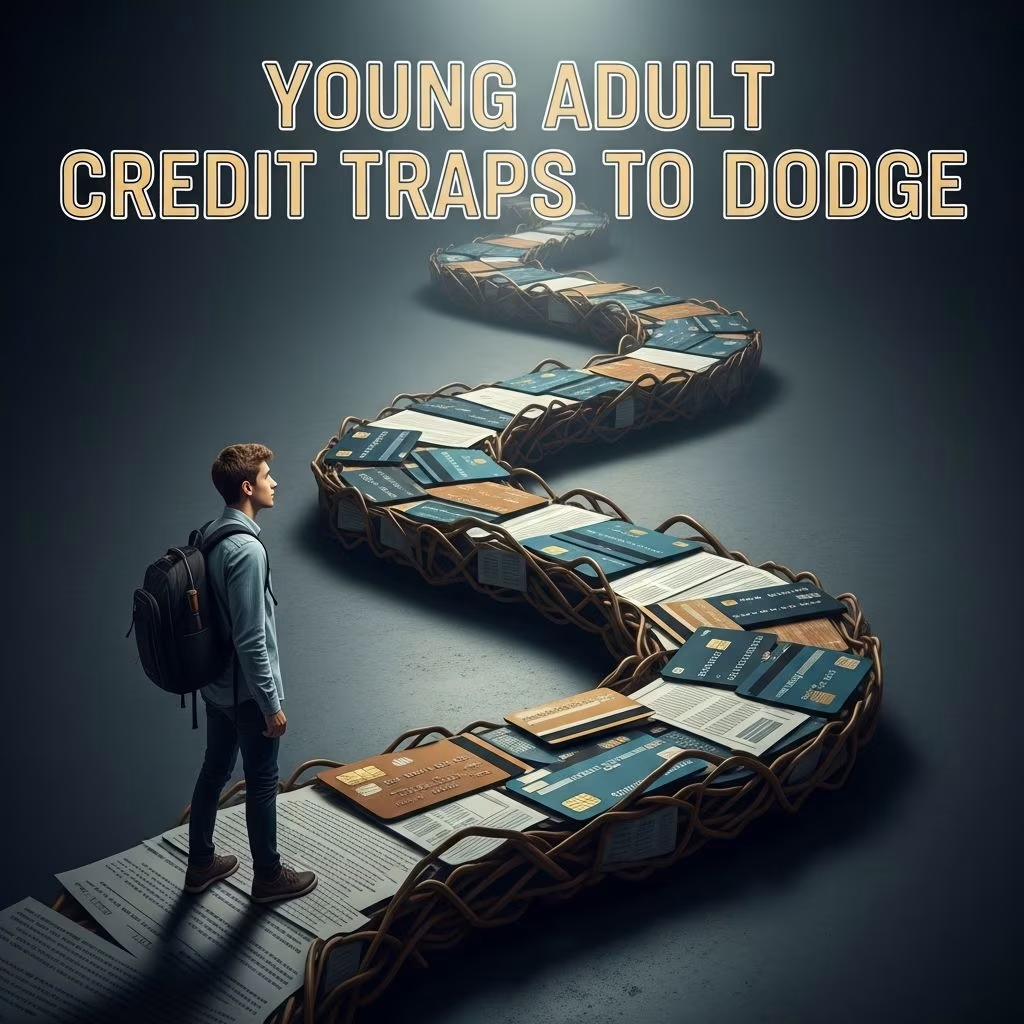
Building a strong credit profile early in life sets the stage for major financial milestones, from securing apartments to obtaining favorable loan terms. Yet, many young people fall into avoidable traps that damage their credit scores and limit future opportunities. This article explores critical errors to steer clear of, backed by proven strategies to foster healthy credit habits.
Why Early Credit Management Matters for Your Future
Your credit score influences everything from rental approvals to job applications in certain fields. Starting responsibly amplifies the benefits of compound growth in your financial profile. Payment history alone constitutes 35% of your FICO score, making consistent habits foundational. Delaying credit building or mishandling it can lead to higher interest rates and denied applications later.12
Young adults face unique pressures, such as student loans and entry-level salaries, which heighten the risk of missteps. By understanding these dangers, you can proactively protect and enhance your credit standing.
Overloading Credit Cards: The Utilization Danger
One of the fastest ways to tank your score is pushing credit card balances near or at limits. Credit utilization, roughly 30% of your score, measures debt against available credit. Exceeding 30% signals risk to lenders, dropping scores significantly.1
- Impulse Buying Trap: Treating cards as extra income leads to unchecked spending on non-essentials.
- Balance Snowball: High utilization persists even after payments if not managed monthly.
- Score Volatility: Large purchases cause temporary dips, recoverable only with prompt payoffs.
To counter this, aim for under 30% usage. Pay balances fully before statements close to report low utilization. Tools like spending trackers help monitor habits in real-time.
Late or Missed Payments: The Biggest Score Killer
Payment history dominates your credit score at 35%. A single 30-day delinquency lingers for seven years, with effects fading over time but initial damage severe.2 Life changes like address shifts exacerbate this if issuers can’t reach you.
| Mistake | Impact | Solution |
|---|---|---|
| Late Payments | Score drop, fees, higher rates | Auto-pay setup, calendar alerts |
| Missed Updates | Failed auto-payments lead to delinquencies | Notify issuers of changes immediately |
| Minimum Only | Prolongs debt, accrues interest | Pay full balance monthly |
Automate payments for at least the minimum, then allocate extra funds to principal. Review statements weekly to catch issues early.
Multiple Credit Applications: Signaling Desperation
Flooding applications trigger hard inquiries, each dinging your score temporarily. Multiple in a short window suggests financial distress, compounding the harm.1
- Research first: Compare rates and terms without applying.
- Space applications: Limit to one every few months.
- Pre-qualify: Use soft inquiries for eligibility checks.
Patience pays off. A strong profile from steady use outweighs hasty expansions.
Neglecting Credit Reports and Scores
Ignoring your credit report invites errors like fraudulent accounts or inaccuracies to fester. Annual free reports from bureaus reveal issues needing dispute.2
Regular checks empower you to:
- Spot errors promptly.
- Track progress from good habits.
- Understand lender perspectives.
Set quarterly reviews. Free tools provide ongoing score access without impacting it.
Minimum Payments Only: Debt Perpetuation
Minimum payments mostly cover interest, barely touching principal. At 20%+ APRs, small balances explode over time.4
Example: $1,000 at 22% APR with 4% minimum takes over 20 years, paying $1,932 in interest.
- Prioritize full payoffs.
- Balance transfer to 0% promo periods if eligible.
- Cut non-essential spending to free cash.
Closing Old Accounts Prematurely
Shutting cards reduces available credit, spiking utilization. It also shortens history length, 15% of your score.1
Keep dormant cards open with occasional small use. If fees apply, weigh costs versus benefits.
Skipping Credit Building Altogether
No credit equals no score, blocking opportunities. Secured cards or authorized user status start histories safely.25
- Secured cards: Deposit-backed limits build via responsible use.
- Student cards: Tailored for beginners with low limits.
- Avoid authorized user risks if primary holder mismanages.
Co-Signing Without Caution
Guaranteeing loans ties your score to another’s habits. Defaults hit you equally hard.1
Only co-sign trusted parties with solid plans. Monitor payments closely.
Strategies for Lasting Credit Success
Beyond avoidance, proactive steps cement gains:
- Budget Religiously: Track income vs. outflows.
- Emergency Fund: 3-6 months expenses prevents debt reliance.3
- Diversify Credit: Mix revolving and installment for richer mix.
- Long-Term View: Scores improve with age and consistency.
FAQs
How long do negative marks stay on my report?
Most stay 7 years, but impacts lessen over time with positive behavior.2
Can I build credit without a card?
Yes, via rent reporting, utilities, or loans reported to bureaus.5
What’s a good utilization target?
Under 30%, ideally single digits for top scores.1
Do inquiries always hurt?
Hard ones do slightly; soft don’t affect scores.1
How to recover from mistakes?
Consistent on-time payments, low utilization, and time heal most wounds.2
References
- Top 7 Credit Mistakes to Avoid — Camino Federal Credit Union. 2023. https://www.caminofcu.org/top-credit-mistakes/
- Credit Mistakes to Avoid When You Are Young — Experian. 2024-10-15. https://www.experian.com/blogs/ask-experian/credit-mistakes-to-avoid-when-you-are-young/
- 20 Money Mistakes to Avoid While in Your 20s — Huntington Bank. 2024. https://www.huntington.com/learn/checking-basics/common-money-mistakes-to-avoid
- Top 5 Money Mistakes to Avoid by Young Adults — Texell Credit Union. 2023-08-10. https://blog.texell.org/blog/top-5-money-mistakes-to-avoid-by-young-adults
- 5 Personal Finance Mistakes Young Adults Make — Peach State Credit Union. 2024. https://www.peachstatefcu.org/blog/personal-finance-mistakes-young-adults-make-and-how-to-fix-them
This article is general information, not personal financial advice. Consider your own situation, or speak with a licensed adviser, before acting on it.


