

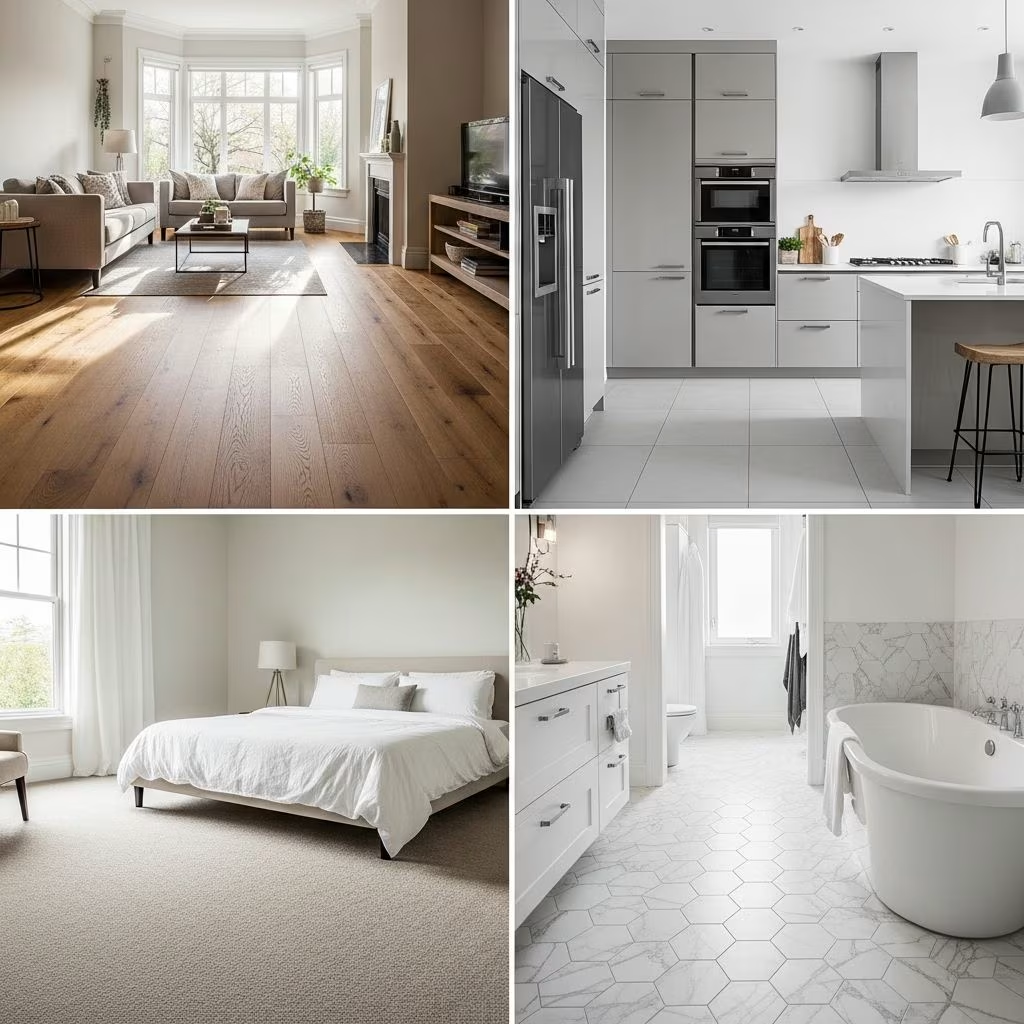
Best Home Flooring Ideas and Options for Every Room
Choosing the right flooring for your home is one of the most important decisions you’ll make during a renovation or new construction project. Your flooring choice affects not only the aesthetic appeal of your space but also its functionality, durability, and long-term maintenance requirements. With numerous options available in today’s market, it’s essential to understand the characteristics, benefits, and drawbacks of each flooring type to make an informed decision that aligns with your lifestyle, budget, and design preferences.
The flooring market has evolved significantly, offering homeowners an impressive array of materials ranging from traditional solid hardwood to innovative luxury vinyl planks. Each option presents unique advantages and considerations, making the selection process both exciting and challenging. This comprehensive guide will walk you through the most popular flooring options available today, helping you understand which materials work best for specific rooms in your home and your particular needs.
1. Solid Hardwood Flooring
Solid hardwood flooring represents one of the most classic and timeless choices for homeowners seeking elegance and warmth in their living spaces. These floors are crafted from authentic wood planks that provide genuine beauty and character to any room. Hardwood flooring adds a touch of sophistication and can significantly enhance your home’s resale value, making it an investment that often pays dividends over time.
Available in various wood species including oak, maple, cherry, and walnut, solid hardwood offers diverse color palettes and grain patterns to complement any interior design style. Each wood species brings its own unique characteristics—oak provides a traditional look with prominent grain patterns, maple offers a lighter appearance with subtle grain, cherry delivers warmth with rich red tones, and walnut presents deep, luxurious brown hues.
Solid Hardwood Pros and Cons
Advantages:
- Timeless aesthetic appeal that never goes out of style
- Can be refinished multiple times throughout its lifespan
- Increases home value and curb appeal
- Durable when properly maintained
- Natural insulating properties
- Available in numerous wood species and finishes
Disadvantages:
- More expensive than most alternative flooring options
- Susceptible to moisture damage and humidity changes
- Prone to scratches and dents with heavy use
- Requires regular maintenance and refinishing
- Installation can be labor-intensive
- Not suitable for basements or areas with high moisture
2. Engineered Wood Flooring
Engineered wood flooring has emerged as a practical alternative to solid hardwood, offering many of the same aesthetic benefits with improved performance characteristics. This flooring type is constructed by bonding multiple layers of wood, typically consisting of a thin top layer of hardwood veneer attached to a core of plywood or high-density fiberboard. This construction method creates a more stable product that resists warping and expansion caused by humidity and temperature fluctuations.
The layered construction of engineered wood makes it particularly suitable for challenging environments where solid hardwood would fail. Installation involves preparing the subfloor, laying down underlayment, clicking or gluing the boards together, and finishing with sanding and sealing.
Engineered Wood Flooring Advantages
- Significantly more moisture resistant than solid hardwood
- Less prone to scratches and dents compared to hardwood
- Can be installed in kitchens and basements where solid wood isn’t suitable
- Easier installation process than solid hardwood
- Attractive appearance that mimics solid hardwood
- More affordable than solid hardwood
- Hypoallergenic properties
- Cost ranges from $4 to $9 per square foot
3. Laminate Flooring
Laminate flooring represents one of the most versatile and cost-effective flooring solutions available to homeowners. This flooring type is constructed from dense fiberboard topped with a photographic image and a clear plastic protective layer, allowing it to convincingly mimic the appearance of hardwood, tile, stone, or virtually any other material without the associated expense. For budget-conscious homeowners who desire the aesthetic of premium materials without premium pricing, laminate offers an excellent compromise.
Some quality laminate brands incorporate cork backing to help reduce sound transmission, creating a more comfortable walking experience and reducing noise throughout your home. The best laminates available on the market demonstrate superior resistance to scratching and discoloration from sunlight compared to many wood products, making them exceptionally durable for high-traffic areas.
Laminate Flooring Benefits
- Versatile designs that replicate natural materials
- Easy installation process
- Highly affordable pricing
- Resistant to scratches, stains, and fading
- Hypoallergenic composition
- Low maintenance requirements
- Tough and durable construction
- Superior sunlight resistance compared to wood
4. Vinyl Flooring
Vinyl flooring has revolutionized the resilient flooring market, offering homeowners exceptional performance combined with aesthetic versatility. This flooring type comes in two main varieties: traditional vinyl sheet and luxury vinyl flooring (LVF), which includes luxury vinyl planks (LVP) and luxury vinyl tiles (LVT). Vinyl flooring is exceptionally good at resisting wear, dents, scratches, discoloration from sunlight, and stains, making it ideal for busy households.
Luxury vinyl floors are exceptionally easy to clean and maintain, requiring only regular sweeping and occasional mopping to maintain their appearance. When exposed to water, vinyl doesn’t swell or buckle the same way hardwoods do, making it an excellent choice for kitchens, bathrooms, and other moisture-prone areas. Many luxury vinyl products feature scratch and stain-resistant surfaces, making them perfect for families with children and pets.
Vinyl Flooring Characteristics
- 100% waterproof, ideal for bathrooms and kitchens
- Exceptional durability and wear resistance
- Forgiving surface underfoot providing comfort
- Wide variety of patterns and colors available
- DIY-friendly installation options
- Easy cleaning and maintenance
- Scratch and stain-resistant surfaces
- Perfect for families with children and pets
5. Tile Flooring
Tile flooring, particularly ceramic and porcelain options, represents one of the most durable and versatile flooring choices available for homeowners. Porcelain tiles, made from a refined clay mixture and fired at higher temperatures than ceramic tiles, are denser and less porous, making them superior in water resistance and durability. These tiles are particularly suited for rooms where things get busy, wet, and messy, such as entries, mudrooms, playrooms, and bathrooms.
Tile installation involves preparing the subfloor, applying mortar or adhesive, laying the tiles, grouting the joints, and finishing with sealing and caulking. This professional installation process ensures longevity and proper water management, especially in wet areas.
Tile Flooring Strengths
- Extremely durable and long-lasting
- Water resistant and hygienic
- Easy to clean and maintain
- Resists stains and spills
- Available in numerous colors and patterns
- Ideal for high-moisture environments
- Can withstand heavy foot traffic
6. Linoleum Flooring
Linoleum represents a natural, resilient flooring material made from linseed oil and wood products, offering an environmentally conscious alternative to synthetic options. Today’s linoleum products offer far more styles and colors than in years past, providing homeowners with significantly greater design flexibility than previous generations of linoleum flooring. This material demonstrates strong resistance to discoloration from sunlight, maintaining its appearance better than many alternative flooring types.
As a sustainable flooring choice, linoleum appeals to environmentally-minded homeowners seeking to reduce their ecological footprint while maintaining quality and performance. Tested products typically cost between $4 to $6 per square foot, making it an affordable option without sacrificing sustainability.
7. Concrete Flooring
Although concrete might not immediately sound like an appealing residential flooring option, modern concrete floors have evolved to offer numerous benefits for homeowners seeking industrial or contemporary aesthetics. Polished and sealed concrete floors provide a sleek, modern appearance while delivering practical advantages in terms of durability and maintenance.
Concrete Flooring Advantages and Disadvantages
Pros:
- Extremely durable and long-lasting
- Low maintenance requirements
- Versatile design possibilities
- Energy efficient properties
- Can be customized with stains and finishes
Cons:
- Uncomfortable for prolonged standing or walking due to hardness
- Cold surface that may require area rugs or floor mats
- Labor-intensive installation process
- Susceptible to cracking over time
- Initial cost can be substantial
8. Cork Flooring
Cork flooring has gained significant popularity in recent years as a sustainable and eco-friendly flooring option for homes seeking environmentally responsible choices. This unique flooring material is manufactured from the bark of cork oak trees, harvesting cork without harming the trees themselves. Cork is typically manufactured as tiles or planks designed with an interlocking tongue and groove system for easy installation and a seamless appearance.
Cork Flooring Benefits
- Comfortable underfoot with natural cushioning
- Insulative properties for energy efficiency
- Environmentally-friendly and sustainable
- Durable construction
- Hypoallergenic composition
- Available in various styles and finishes
- Natural sound absorption qualities
- Renewable resource material
Flooring Comparison Chart
| Flooring Type | Cost (per sq ft) | Durability | Water Resistance | Maintenance |
|---|---|---|---|---|
| Solid Hardwood | $5-$15 | High | Low | High |
| Engineered Wood | $4-$9 | High | Medium-High | Medium |
| Laminate | $3-$8 | Medium | Low-Medium | Low |
| Vinyl | $2-$7 | High | Excellent | Low |
| Tile | $3-$12 | Excellent | Excellent | Low |
| Linoleum | $4-$6 | Medium | Medium | Low |
| Concrete | $2-$10 | Excellent | Medium | Low-Medium |
| Cork | $4-$10 | Medium-High | Medium | Medium |
Choosing Flooring for Different Rooms
The ideal flooring choice depends significantly on the room’s function, foot traffic levels, and moisture exposure. Understanding how different areas of your home function helps determine which flooring type will deliver the best performance and longevity.
Bedrooms and Living Areas
Solid hardwood and engineered wood floors add warmth and a soft “give” to hangout and lounging areas, such as bedrooms, living rooms, dining rooms, and dens. These spaces typically experience lower moisture levels and moderate foot traffic, making them ideal for premium wood options that prioritize comfort and aesthetics over water resistance.
Kitchens and Bathrooms
Porcelain tile suits rooms where things get busy, wet, and messy, like entries, mudrooms, playrooms, and bathrooms. Vinyl flooring also excels in these environments due to its waterproof properties and easy maintenance. These areas demand flooring materials that can withstand moisture exposure while remaining hygienic and easy to clean.
High-Traffic Areas
Laminate floors can work almost anywhere, as long as you like the look, making them particularly suitable for hallways and transition spaces. Their durability and resistance to scratching and staining make them excellent choices for areas with heavy foot traffic in any room type.
Sustainable Flooring Options
Environmentally conscious homeowners have increasingly appealing sustainable flooring options to choose from. These materials reduce environmental impact while maintaining quality and performance standards. Sustainable options include linoleum, bamboo, hempwood, cork, and even cement tiles made with carbon recovered from factory emissions. Among solid hardwoods, domestic species like white oak, red oak, walnut, and maple are growing in popularity as homeowners seek to reduce transportation emissions and support local forestry practices.
Recent Trends in Hardwood Flooring
The hardwood flooring industry continues to evolve with new trends emerging regularly. Modern hardwood products are becoming wider and longer than traditional options. The average hardwood plank is now 7 to 7½ inches wide compared to older, narrower planks, creating a more spacious visual appearance and reducing the number of visible joints in a room. This trend toward wider planks represents a significant design shift that appeals to contemporary homeowners seeking modern aesthetics.
Installation and Underlayment Considerations
Proper installation and underlayment selection significantly impact flooring performance and longevity. Different flooring types require specific installation techniques and underlayment materials. Some premium laminates use cork backing to help reduce sound transmission, while others employ foam underlayment to enhance comfort underfoot and minimize noise in apartments or multi-story homes. Understanding these installation details helps ensure your flooring investment delivers years of reliable performance.
Quality and Testing Standards
Leading flooring manufacturers subject their products to rigorous testing to assess resistance to foot traffic, scratches, stains, dents, water, and sunlight. Major brands including Armstrong, LL Flooring (formerly Lumber Liquidators), Pergo, Mannington, Shaw, and Tarkett invest in quality assurance and testing to deliver products that meet demanding residential standards. Understanding a manufacturer’s quality commitments helps ensure you’re investing in flooring that will deliver long-term performance and durability.
Frequently Asked Questions (FAQs)
Q: Which flooring option is best for a household with pets?
A: Luxury vinyl, tile, and laminate flooring are excellent choices for pet owners. These materials resist scratches, stains, and are easy to clean. Vinyl particularly excels due to its waterproof properties and forgiving surface underfoot, making it ideal for families with active pets.
Q: Can I install engineered wood in a basement?
A: Yes, engineered wood is significantly more moisture-resistant than solid hardwood and can be installed in basements and kitchens where solid wood would fail. Its layered construction helps prevent warping and expansion caused by humidity fluctuations.
Q: How often does hardwood flooring need refinishing?
A: Solid hardwood can typically be refinished every 7-10 years, depending on foot traffic and wear patterns. This ability to refinish multiple times throughout the floor’s lifespan makes hardwood a valuable long-term investment.
Q: What is the most affordable flooring option?
A: Vinyl and laminate flooring typically offer the most affordable options, with costs ranging from $2-$8 per square foot installed. These materials provide excellent durability and aesthetic appeal without the premium pricing of hardwood or tile.
Q: Are sustainable flooring options more expensive?
A: Not necessarily. Options like cork and linoleum offer competitive pricing compared to traditional alternatives. While some eco-friendly options may be slightly more expensive, they often provide long-term value and reduced environmental impact.
Q: How do I choose between tile and vinyl for a bathroom?
A: Both are excellent bathroom choices. Tile offers superior durability and formality but requires grout maintenance. Vinyl provides a softer, warmer surface underfoot and easier installation, while remaining completely waterproof. Your choice depends on aesthetics preferences and desired maintenance levels.
Conclusion
Selecting the right flooring for your home is a significant decision that impacts both aesthetics and functionality. By understanding the characteristics, advantages, and limitations of each flooring type, you can make an informed choice that aligns with your lifestyle, budget, and design vision. Whether you prioritize the timeless elegance of hardwood, the affordability of laminate or vinyl, the durability of tile, or the sustainability of cork and linoleum, quality options exist for every need and preference. Consider your room’s function, moisture levels, foot traffic, maintenance preferences, and budget when making your final selection. Investing time in understanding your options ensures you’ll enjoy beautiful, durable floors for years to come.
References
- 11 Types of Flooring That Will Upgrade Your Home Instantly — Colibri Real Estate. 2025. https://www.colibrirealestate.com/career-hub/blog/11-types-of-flooring-that-will-upgrade-your-home-instantly/
- Best Flooring Buying Guide — Consumer Reports. 2025. https://www.consumerreports.org/home-garden/flooring/buying-guide/
- Flooring Comparison Chart — Gemini Floors. 2025. https://geminifloors.com/wp-content/uploads/flooring-comparison-chart.pdf
- A Definitive Guide to Different Types of Flooring Options — Twenty & Oak. 2025. https://twentyandoak.com/faq/how-to-choose/a-definitive-guide-to-different-types-of-flooring-options
- Compare the Pros and Cons of 7 Types of Popular Flooring Options — Online Flooring Store. 2025. https://www.onlineflooringstore.com.au/flooring-comparison/
- Types of Flooring — The Home Depot. 2025. https://www.homedepot.com/c/ab/types-of-flooring/9ba683603be9fa5395fab903a8a5e90
This article is general information, not personal financial advice. Consider your own situation, or speak with a licensed adviser, before acting on it.


