

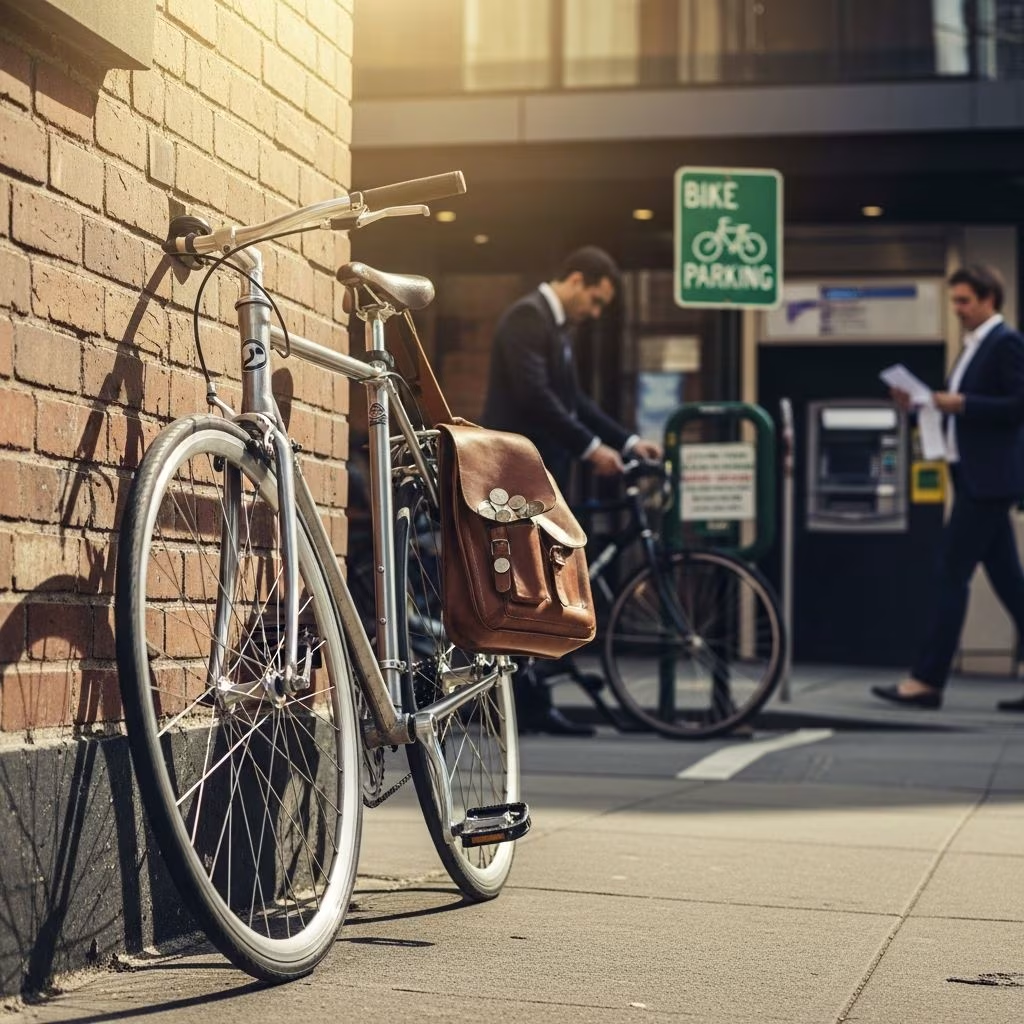
Commuting by bike isn’t just an eco-friendly choice—it’s a wallet-friendly one too. In cities across the U.S. and Europe, swapping car trips for bike rides can save you anywhere from $1,140 to over $15,000 per year, depending on your location and habits. With rising fuel prices, insurance costs, and parking fees, cycling emerges as a practical alternative that also boosts your health and reduces stress. This guide breaks down the savings, essential gear, maintenance tips, and strategies to get started, drawing from real-world data in top biking cities.
The Financial Case for Bike Commuting
Car ownership drains budgets with fixed costs like insurance, registration, and depreciation, plus variable expenses such as fuel and maintenance. The American Automobile Association (AAA) estimates the average annual cost of owning and operating a car at around $8,558, covering everything from gas to tires. Bikes, by contrast, cost a fraction: the Iowa Bicycle Coalition reports median annual repair spending at just $200, or about $25 monthly.
In bike-friendly cities, savings amplify. Here’s a breakdown:
| City | Potential Annual Savings | Key Cost Avoided |
|---|---|---|
| Amsterdam, Netherlands | $8,400-$15,300 | Fuel, insurance, parking (€7,600-€13,500 car vs. €205 e-bike) |
| Berlin, Germany | $2,078 | Commute fuel, insurance, maintenance |
| London, UK | Hundreds to thousands | £15 daily congestion charge + parking |
| Portland, OR, USA | Thousands | Insurance, fuel; 400+ miles of bikeways |
| Copenhagen, Denmark | $1,140-$3,450 | High registration, insurance, fuel taxes |
These figures stem from analyses like Mihogo’s 2025 European commuting report and Pixar Bikes’ comparisons, factoring in 10km daily round-trips. Even partial substitution—biking short errands—yields big wins. A new car like a Nissan Rogue costs $27,000 upfront, versus $2,500 for an e-bike or $500 used.
Upfront Costs: Buying Your Commuter Bike
Investing in a bike pays off quickly. Entry-level commuter bikes start at $300-$500 for hybrids or city models with puncture-resistant tires and comfortable upright positions. E-bikes range $1,500-$3,000 but slash effort on hills, with annual charging at just $40.
- Budget Option: Used bike ($200-$800) from local shops or apps—inspect frame, brakes, gears.
- Mid-Range: New hybrid ($500-$1,000) for reliability.
- Premium: E-bike ($2,000+) with pedal-assist up to 20-28 mph.
Pro tip: Test ride multiple models. Government incentives in places like the Netherlands can rebate €450+ on e-bikes.
Ongoing Expenses: Maintenance and Repairs
Bike upkeep is minimal. Expect $200-$300 yearly for tune-ups, far below car maintenance. Common costs:
- Tune-up: $50-$100 twice yearly (chains, brakes, true wheels).
- Tires/tubes: $20-$50 each, lasting 1,000+ miles with liners.
- Chain/lube: $20/6 months.
- E-bike battery: $500 every 3-5 years.
DIY saves more: Learn flat fixes ($10 kit) or chain cleaning. Avoid garages for basics—YouTube tutorials suffice.
Savings Beyond the Obvious
Biking cuts hidden costs too. Skip gym fees ($40-$50/month; 67% unused). Lower car mileage qualifies for insurance discounts—some insurers offer pay-per-mile plans under 5,000 miles/year. No more £15 London congestion charges or U.S. parking ($10+/day).
Health perks compound savings: Cycling burns 400-600 calories/hour, reducing medical bills. Employers once offered $20/month tax-free reimbursements (now dropped). Cities like Portland’s 400-mile network make it seamless.
Gear Essentials for Safe Commuting
Start with $150-$300 in accessories:
- Helmet: MIPS-equipped ($50-$100) for impact protection.
- Lights/Reflectors: Front/rear LED ($20-$40) for visibility.
- Locks: U-lock + chain ($50) against theft.
- Panniers/Rack: Waterproof bags ($40-$80) for dry commutes.
- Fenders/Mudguards: $20 to stay clean in rain.
- Clothing: Breathable jersey, gloves ($50); wear regular shoes.
Layer for weather: Rain jacket, wool base. Apps like Strava track routes/savings.
Health and Lifestyle Benefits
Bike commuting builds endurance—30 minutes daily meets WHO aerobic guidelines, cutting heart disease risk 50%. Mental boosts: Less traffic stress, fresh air. Families save too: Kids bike short trips, modeling healthy habits.
In traffic-jammed cities, bikes beat cars in speed for <5 miles (National Household Travel Survey: 50% trips under 4 miles).
Overcoming Common Challenges
- Hills/Weather: E-bike assist; fenders/gloves.
- Time: Most commutes <30 min; faster sans traffic.
- Safety: Obey rules, use lanes, high-vis gear. Portland’s greenways prove low-stress possible.
- Storage: Indoor racks ($30); foldables for apartments.
Real-World Success Stories
Berlin commuters save €1,960/year on fuel alone. Portland riders leverage 100 miles of neighborhood paths. AARP notes biking replaces gym and short drives seamlessly.
Frequently Asked Questions (FAQs)
Q: How much can I really save biking to work?
A: $1,000-$15,000/year depending on city—e.g., $2,078 in Berlin, thousands in Portland via avoided car costs.
Q: Is bike commuting safe for beginners?
A: Yes, with helmet, lights, and bike lanes. Start short routes; stats show low risk on protected paths.
Q: What’s the best bike for commuting?
A: Hybrid or e-bike for versatility; budget $500+ new.
Q: How do I maintain my bike affordably?
A: DIY basics, professional tune-ups 2x/year ($200 total).
Q: Does biking save on health costs?
A: Yes—replaces gym ($500/year), improves fitness.
Q: Are there tax benefits for bike commuters?
A: U.S. $20/month employer reimbursement ended, but check local incentives.
Getting Started Today
Map a safe route via Google Maps’ bike layer. Join local groups for tips. Track savings with apps—watch thousands add up. Bike commuting: Cheaper, healthier, smarter.
References
- 5 Cities Where Owning a Bike Can Save You Thousands Per Year — GOBankingRates. 2025. https://www.gobankingrates.com/saving-money/savings-advice/cities-where-owning-a-bike-can-save-you-thousands-per-year/
- Congress Drops Tax Benefit for Bicycle Commuters — PeopleForBikes. 2025. https://www.peopleforbikes.org/news/congress-drops-tax-benefit-for-bicycle-commuters
- Save Money Commuting by Bike — Momentum Bikes. 2025. https://www.momentum-biking.com/us/save-money-commuting-by-bike
- How Cycling Can Save You Money — Bike Club. 2025. https://bikeclub.com/blogs/general/how-cycling-can-save-you-money
- How Bicycling Can Save You Big Money — AARP. 2025. https://www.aarp.org/money/personal-finance/save-money-bike-commuting/
This article is general information, not personal financial advice. Consider your own situation, or speak with a licensed adviser, before acting on it.


