

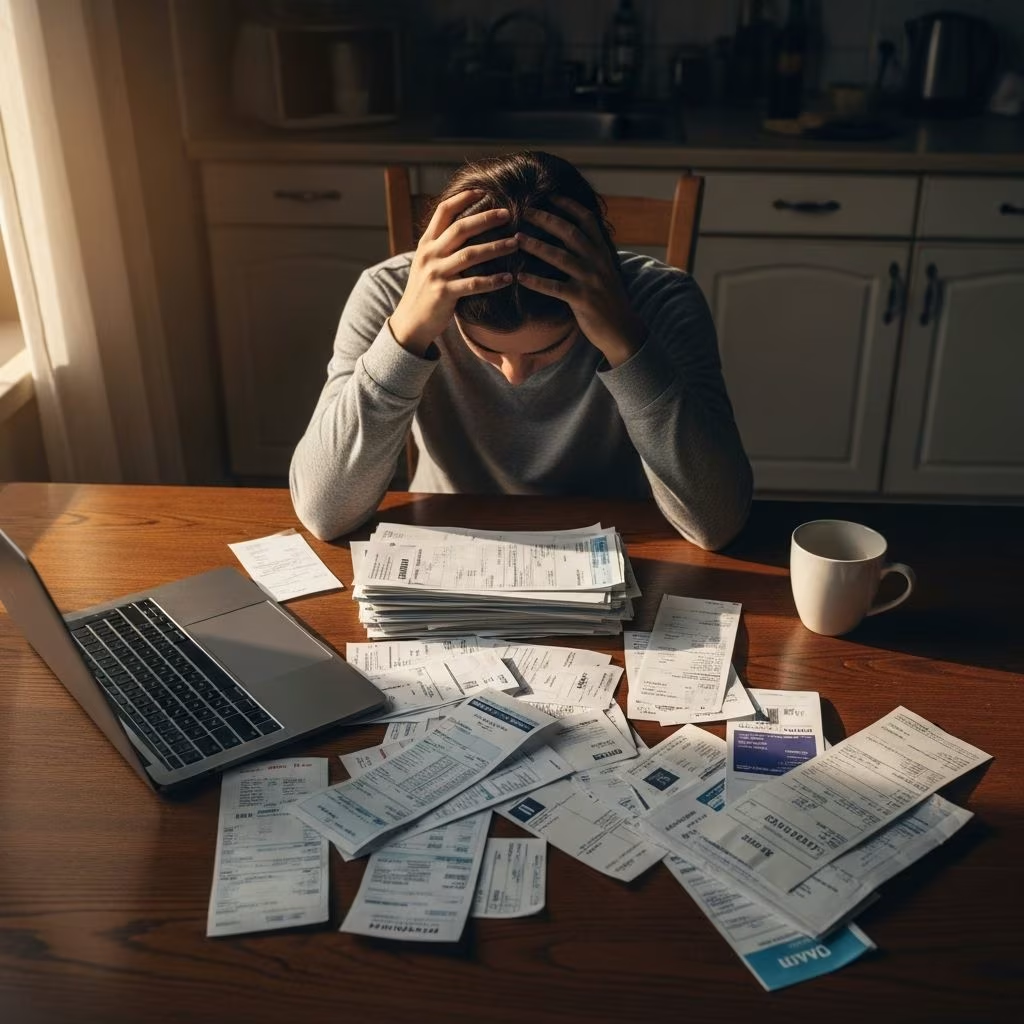
When your bills are piling up and you can’t see how you’ll pay everything, it can feel overwhelming, scary, and isolating. You are not alone, and there are concrete steps you can take today to stabilize your situation and start moving forward.
This guide walks you through a practical, step-by-step plan inspired by Clever Girl Finance’s approach to overcoming financial setbacks. It covers how to prioritize your bills, talk to creditors, find relief options, and create a realistic path to recovery.
Why You Might Be Struggling To Pay Your Bills
Falling behind on bills rarely happens overnight. It is often the result of several challenges happening at once, such as a drop in income, rising living costs, or unexpected emergencies.
Common reasons your bills might be piling up include:
- Job loss, reduced hours, or irregular income
- Rising housing, food, and transportation costs due to inflation
- Medical expenses or caregiving responsibilities
- High-interest debt that keeps growing faster than you can pay it down
- Unexpected emergencies like car repairs or home repairs
According to data from the U.S. Federal Reserve, many households struggle to cover an unexpected expense of just a few hundred dollars, which means even a small disruption can quickly turn into unpaid bills and collection calls.
6 Steps To Take If You Have Bills Piling Up
When you cannot pay everything, the goal is not perfection. The goal is to:
- Protect your basic needs and safety
- Limit damage to your credit and long-term finances
- Communicate early instead of ignoring the problem
- Create a realistic plan, even if you can only pay small amounts
Below are six key steps to follow.
1. Start With Your Essentials
When money is tight, you must prioritize essential expenses that keep you and your family safe and stable. If you cannot pay everything, focus on what protects your health, housing, and ability to work.
What counts as essential?
- Food (basic groceries, not dining out)
- Housing (rent or mortgage)
- Utilities (electricity, heat, water)
- Transportation to get to work or school (gas, transit pass, necessary car payment)
- Basic healthcare (essential medications, critical appointments)
- Childcare if needed so you can work
Non-essential expenses, even if they feel important, generally include:
- Streaming services and subscriptions
- Dining out, takeout, and delivery
- Shopping for clothes or household items that are not truly necessary
- Vacations and entertainment
Government and nonprofit guidance on financial crises emphasizes paying for essentials first, even before unsecured debts like credit cards.
Make a quick essentials list
Write down your essential bills for the month and their minimum amounts. This will help you see how much you must cover to maintain basic stability.
| Category | Example | Minimum Needed |
|---|---|---|
| Housing | Rent or mortgage | $_____ |
| Utilities | Electricity, gas, water | $_____ |
| Food | Groceries | $_____ |
| Transportation | Gas, public transit, car payment | $_____ |
| Healthcare | Medications, insurance premium | $_____ |
2. Set a Realistic Budget for Your Bills
Once you know your essentials, create a simple, short-term budget that reflects what you actually have coming in right now. This is not a forever budget; it is a survival and recovery plan.
List your income and obligations
- List all sources of income (paychecks, side jobs, benefits).
- List all your bills: essentials and non-essentials, due dates, and minimum payments.
- Compare your total income to your essential expenses first.
If your income does not cover your essentials, you need to seek additional support (more on this below), and aggressively cut every non-essential cost.
Prioritize which bills to pay first
- Top priority: Housing, utilities, food, healthcare, and transportation
- Next: Secured debts (like a car loan) where you could lose the collateral
- Then: Unsecured debts (credit cards, personal loans, medical debts)
- Finally: Subscriptions, memberships, and discretionary spending
Focus on covering essentials and making at least the minimum payments on debts where possible to avoid additional fees and severe credit damage. If you cannot make minimums, communication becomes critical.
3. Communicate With Your Providers and Creditors
Ignoring bills and calls does not make them disappear. In many cases, creditors and service providers have hardship options, but you must reach out and ask. Consumer protection agencies emphasize the importance of contacting creditors early when you anticipate difficulty paying.
Who to contact first
- Your landlord or mortgage servicer
- Utility companies (electric, gas, water, internet)
- Credit card companies and personal loan lenders
- Student loan servicers
- Medical providers and hospitals
What to ask for
- Payment plans or lower minimum payments
- Due date changes to match your pay schedule
- Temporary hardship programs or forbearance
- Late fee waivers or interest rate reductions
For example, many utility companies have customer assistance programs or can help you avoid shutoffs if you call before your bill is seriously past due.
Sample script you can adapt
“I am experiencing a temporary financial hardship and want to avoid falling further behind. My current minimum payment is $____, and I can reliably afford $____ for the next few months. Do you have any hardship programs, payment plans, or options that could help lower my payments or waive late fees while I get back on my feet?”
4. Cut Non-Essential Spending Aggressively
Even small recurring expenses can make it harder to catch up on critical bills. When you are in crisis mode, it is reasonable to cut back sharply, even on things you usually enjoy, so you can protect essentials and reduce stress.
Common areas to cut
- Subscriptions and memberships (apps, streaming, gyms)
- Dining out, takeout, and convenience foods
- Impulse shopping and online orders
- Premium services like top-tier phone plans or extra data
- Non-essential transportation like frequent rideshares
Reviewing your recent bank and card statements is one of the quickest ways to spot these “money leaks” and redirect them toward urgent bills.
Compare optional vs essential expenses
| Optional Expense | Estimated Monthly Cost | Could Be Redirected To |
|---|---|---|
| Streaming services (2–3 platforms) | $30–$45 | Utility bill |
| Dining out 3x per week | $120–$200 | Groceries or gas |
| Subscription boxes | $40–$60 | Minimum debt payments |
| Rideshares instead of transit | $60–$150 | Rent or emergency fund |
5. Explore Assistance, Relief, and Support Options
If, after cutting expenses and negotiating, you still cannot cover essentials, it is time to look into assistance programs and professional guidance. Government, nonprofit, and community resources exist specifically for these situations.
Types of assistance to research
- Housing help: Local rental assistance or eviction-prevention programs, often administered by city or county agencies.
- Utility assistance: Programs such as LIHEAP in the U.S. can help with heating and cooling bills.
- Food assistance: Food banks, community pantries, and programs like SNAP can reduce your grocery burden.
- Medical bill relief: Many hospitals have financial assistance or charity-care programs.
- Student loans: Income-driven repayment plans and payment pauses may be available in some cases.
- Credit counseling: Nonprofit credit counseling agencies can help you create a plan or set up a debt management program.
Official government portals (such as benefits and consumer finance websites) are good starting points to find verified programs and avoid scams.
6. Build a Long-Term Plan To Recover
Once the immediate crisis is under control, focus on building a more resilient financial foundation. This is how you reduce the chances of ending up in the same situation again.
Key elements of your recovery plan
- Track your money regularly so you see issues early.
- Maintain a simplified budget that reflects your real income and core priorities.
- Start or rebuild an emergency fund, even if you begin with $10 or $20 at a time.
- Create a debt payoff strategy (for example, focusing on the smallest balance first or the highest interest rate).
- Look for ways to increase income through overtime, side gigs, or more stable employment.
Research shows that even a modest emergency savings buffer significantly reduces the likelihood of missed payments and financial hardship.
Practical Tips To Stay Calm and In Control
Money stress is emotional as well as practical. Taking care of your mindset can make it easier to follow through on your plan.
- Break tasks into small steps (call one creditor, cancel one subscription).
- Schedule specific times to review your finances instead of worrying all day.
- Lean on trusted friends, family, or support groups to avoid feeling isolated.
- Celebrate small wins, like paying one bill on time or reducing a fee.
Frequently Asked Questions (FAQs)
Q: Which bills should I pay first when I can’t pay everything?
A: Prioritize essentials that protect your safety and ability to function day to day: housing, utilities, food, basic healthcare, and transportation. Next, focus on secured debts (like a car loan) and then unsecured debts such as credit cards. Discretionary expenses and subscriptions should be last.
Q: Should I use a credit card to cover my essential bills?
A: Using credit cards for essentials can provide temporary relief but may increase your long-term debt and interest costs. Before relying on credit, look into assistance programs, negotiate with your providers, and cut non-essential spending. If you must use credit, have a plan for how you will manage or pay down the balance.
Q: What happens if I ignore collection calls and past-due notices?
A: Ignoring bills and collection attempts can lead to additional fees, damage to your credit, possible legal action, and in some cases service shutoffs. Consumer regulators recommend responding to notices, keeping records, and knowing your rights instead of avoiding the issue.
Q: Can I negotiate medical bills if I can’t pay them?
A: Yes. Many medical providers and hospitals offer financial assistance, discounts, or interest-free payment plans, especially if you are uninsured or underinsured. Contact the billing department, explain your situation, and ask specifically about charity-care or hardship programs.
Q: When should I consider professional help like credit counseling?
A: If you are consistently unable to make minimum payments, juggling multiple debts, or unsure which bills to prioritize, a reputable nonprofit credit counseling agency can help you review your full situation, explore options, and possibly set up a structured repayment plan.
References
- When You Can’t Pay Your Bills — Consumer Financial Protection Bureau (CFPB). 2023-03-15. https://www.consumerfinance.gov/about-us/blog/when-you-cant-pay-your-bills-during-coronavirus/
- Dealing with Debt Collection — Federal Trade Commission (FTC). 2023-10-01. https://consumer.ftc.gov/articles/debt-collection-faqs
- Report on the Economic Well-Being of U.S. Households — Board of Governors of the Federal Reserve System. 2024-05-21. https://www.federalreserve.gov/publications/report-economic-well-being-us-households.htm
- Hospital Charity Care and Financial Assistance Policies — Kaiser Family Foundation (KFF). 2022-10-04. https://www.kff.org/health-costs/issue-brief/hospital-charity-care-and-financial-assistance-policies/
This article is general information, not personal financial advice. Consider your own situation, or speak with a licensed adviser, before acting on it.


