

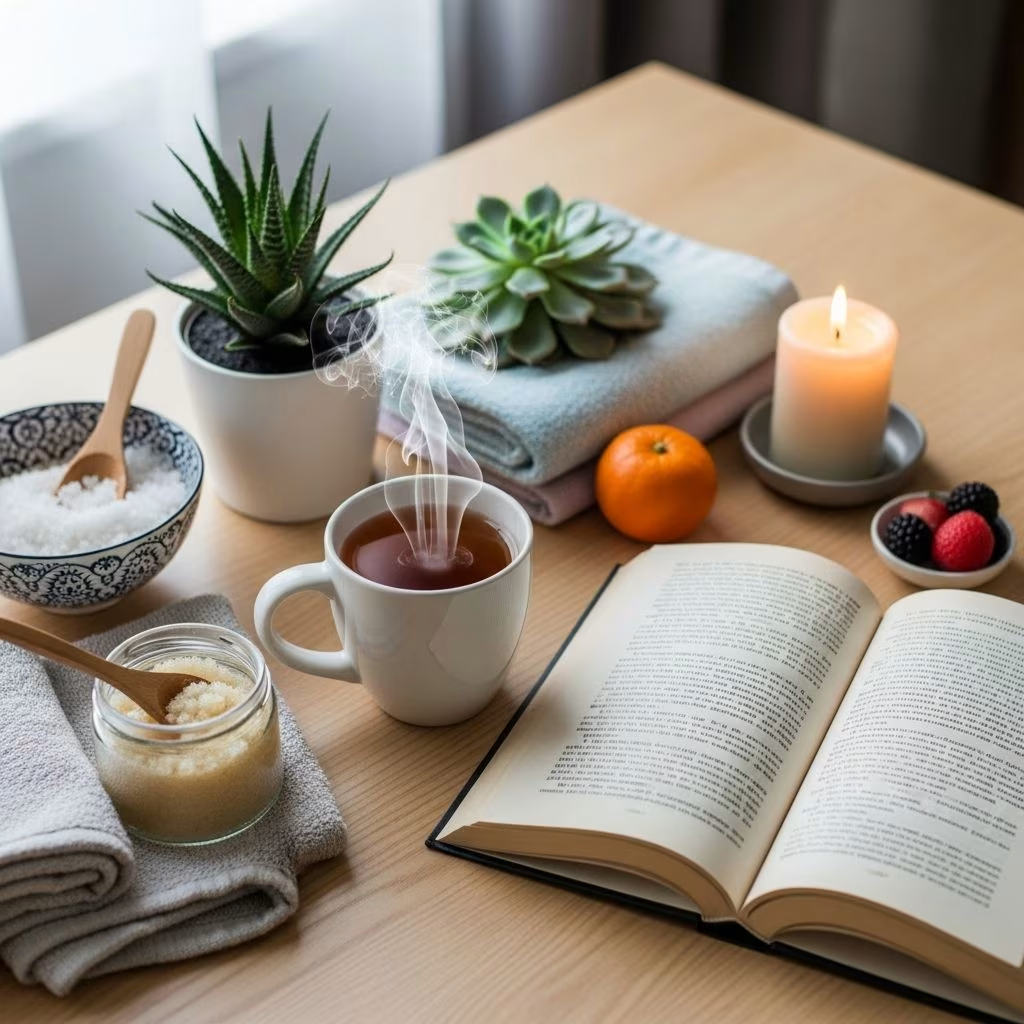
Self-care has become an increasingly recognized component of mental and physical wellness, yet many people mistakenly believe that taking care of themselves requires substantial financial investment. The reality is that meaningful self-care doesn’t demand expensive spa treatments, luxury retreats, or premium wellness products. Instead, effective self-care encompasses intentional practices that nurture your emotional, physical, and mental wellbeing while remaining accessible to anyone, regardless of their financial situation.
The misconception that self-care must be expensive often prevents people from engaging in the restorative practices that could genuinely improve their quality of life. Whether you’re managing a tight budget, paying off debt, or simply practicing financial mindfulness, you can absolutely prioritize your wellness without compromising your financial goals. This article explores practical, cost-effective approaches to self-care that demonstrate how treating yourself and maintaining financial responsibility can coexist harmoniously.
Understanding the True Meaning of Self-Care
Self-care fundamentally refers to deliberate actions you take to maintain and improve your physical, emotional, and mental health. These actions can range from simple daily rituals to more substantial wellness practices, and importantly, they don’t require significant expenditure to be effective. True self-care focuses on what makes you feel renewed, grounded, and valued—outcomes that emerge from intentionality rather than expense.
Many wellness professionals emphasize that self-care is about recognizing your needs and responding to them compassionately. This might mean taking a quiet moment alone, engaging in a hobby you enjoy, moving your body in ways that feel good, or simply allowing yourself adequate rest. The most meaningful self-care activities are often those that directly address your specific emotional or physical needs, which vary from person to person and require no financial transaction.
Quick Self-Care Practices for Busy Schedules
One of the most compelling aspects of budget-friendly self-care is that it fits seamlessly into even the most hectic schedules. You don’t need large blocks of time or expensive resources to engage in practices that genuinely benefit your wellbeing. Short, intentional moments throughout your day can accumulate into substantial improvements in your stress levels and overall mental health.
Immediate Wellness Techniques (5-10 Minutes)
- Practice deep breathing exercises to reset your nervous system and reduce immediate anxiety
- Step outside for fresh air exposure, which research demonstrates improves mood and cognitive function
- Listen to a single favorite song without multitasking, allowing full presence with the music
- Perform guided meditation using free online resources or applications available on most devices
- Engage in gentle stretching while performing other daily tasks, such as waiting for beverages to brew
- Take a brief walk, focusing on observing your surroundings without a specific destination
- Call or text a trusted friend to share genuine connection without obligation or pressure
These micro-practices demonstrate that impactful self-care doesn’t require hour-long commitments. Instead, strategic use of small time intervals throughout your day creates cumulative benefits for your mental and physical health without disrupting your schedule or budget.
Creative and Expressive Wellness Activities
Creative expression offers one of the most affordable yet profoundly effective avenues for self-care. Engaging your creative capacities provides outlets for emotional processing, stress reduction, and personal fulfillment—all without significant financial investment. Many people have access to basic materials they already own at home, making creative self-care immediately accessible.
Accessible Creative Outlets
- Doodle or color using paper and pencils you may already possess, even children’s coloring books serve this purpose effectively
- Paint with whatever supplies are available, focusing on the creative process rather than producing gallery-quality results
- Create playlists of songs that energize, calm, or inspire you depending on your emotional needs
- Write letters to your future self, establishing intentions and hopes in a tangible form
- Maintain a journal documenting one meaningful line daily, building a comprehensive record of your thoughts and experiences
- Explore cooking or baking using ingredients already in your kitchen, treating the preparation as a meditative practice
- Upcycle existing furniture or household items through creative redesign projects
- Sketch, even if you consider yourself untalented, since the benefits arise from engagement rather than artistic ability
These creative activities serve dual purposes: they provide immediate emotional benefits through engagement while often producing tangible results that extend satisfaction beyond the activity itself. A playlist you create brings enjoyment repeatedly, a journal preserves your reflections for future review, and culinary creations provide both wellness and practical utility.
Physical Wellness Without Expensive Resources
Physical self-care encompasses movement, rest, and bodily attention—all of which can be pursued effectively without gym memberships, personal trainers, or specialized equipment. Your body itself represents your most accessible resource for physical wellness, combined with free or minimal-cost environmental opportunities.
Body-Focused Self-Care Practices
- Practice yoga or stretching using free online tutorials available across multiple platforms
- Walk, run, cycle, or engage in outdoor movement in your neighborhood or local parks
- Dance to music you enjoy, combining movement with emotional expression
- Perform self-massage, starting with accessible areas like your hands, feet, and shoulders
- Take restorative baths or showers, enhancing the experience with items you likely already own
- Prioritize adequate sleep and naps when your body signals the need for rest
- Spend time in nature, whether lying on grass, visiting parks, or simply observing natural elements
- Practice posture awareness, noticing how standing taller affects your mood and self-perception throughout your day
Physical self-care directly impacts mental health and emotional resilience. Movement releases neurochemicals that improve mood, adequate rest restores cognitive function, and time in nature reduces stress markers. These benefits emerge consistently regardless of whether you’re using expensive facilities or engaging in these practices in your immediate environment.
Environmental and Sensory Self-Care
Your immediate environment profoundly influences your mental state and overall wellbeing. Creating a space that feels nurturing and organized represents an accessible form of self-care that produces lasting benefits. Sensory practices—engaging your senses intentionally—also offer immediate wellness boosts without financial outlay.
Environmental Wellness Strategies
- Clean and organize your living space, treating the process as a mental decluttering practice
- Wash bedding and textiles regularly, then fully experience the comfort of fresh linens
- Rearrange furniture or redesign room layouts to create a refreshed environment
- Clear surfaces and eliminate visual clutter that contributes to mental overwhelm
- Display fresh or foraged flowers if available, or create permanent floral arrangements from tissue paper
- Light candles or use incense to engage your sense of smell with pleasant scents
- Create lighting changes through window adjustments or repositioning lamps for different moods
Sensory Engagement Practices
- Listen to music genres that correspond with your emotional needs—classical for focus, upbeat for energy, ambient for calm
- Wear comfortable clothing, prioritizing how fabrics feel against your skin
- Soak your hands or feet in warm water, potentially with salt or essential oils if available
- Use lotion or oils for hand and body massage, engaging touch sensation intentionally
- Experience aromatherapy through scents you enjoy, whether through candles, essential oils, or natural fragrances
Mental and Emotional Self-Care Practices
Mental and emotional wellness requires direct attention through practices that help process feelings, establish perspective, and build emotional resilience. Many of these practices involve minimal resources while producing significant psychological benefits.
Psychological Wellness Techniques
- Journal about your feelings, experiences, and thoughts, using free journaling applications if preferred
- Practice gratitude by listing things you appreciate, which research shows enhances overall wellbeing
- Engage in guided meditation available free through YouTube and various applications
- Practice mindfulness, bringing full attention to present-moment experiences
- Read books from libraries, accessing extensive collections without purchase cost
- Listen to podcasts covering topics that educate, inspire, or entertain you
- Watch inspiring content like TED talks available free online
- Take digital detoxes, temporarily stepping away from social media and screens
- Establish boundaries around your time and emotional energy
- Practice positive self-talk and affirmations that counteract internalized criticism
Social Connection and Relational Self-Care
Human connection represents a fundamental wellness requirement, yet relational self-care doesn’t require expensive social activities or entertainment. Meaningful connection often emerges from simple, authentic interactions that prioritize presence over expense.
Connection-Building Activities
- Call loved ones for genuine conversation, prioritizing connection over duration
- Send handwritten cards or thoughtful messages to friends and family
- Spend time with animals, whether through volunteering at shelters or borrowing pets from friends
- Join free community groups or meetups focused on shared interests
- Attend free community events, festivals, or gatherings in your area
- Visit libraries and participate in free programming they often offer
- Ask for and receive hugs from people in your life
- Create traditions or rituals with loved ones that require minimal expense
Research consistently demonstrates that social connection significantly impacts physical health, mental wellbeing, and longevity. Quality connection often emerges from authenticity and presence rather than from the financial investment involved in activities. Free or minimal-cost social practices can fulfill these fundamental human needs effectively.
Lifestyle Practices for Sustained Wellness
Beyond individual activities, certain lifestyle practices create foundational wellness that integrates self-care into daily living. These practices often require behavioral adjustment rather than financial investment.
Sustainable Wellness Habits
- Prioritize adequate sleep, recognizing rest as a critical wellness component
- Stay hydrated throughout the day, a simple practice with measurable health benefits
- Spend time outdoors regularly, even briefly, to access nature’s wellness benefits
- Maintain physical activity, whether structured exercise or daily movement
- Eat nourishing foods, preparing meals from basic ingredients rather than purchasing convenience options
- Establish consistent routines that provide structure and predictability
- Practice time management that allows sufficient rest and restoration
- Take mental health days when needed, recognizing that occasional rest prevents burnout
Frequently Asked Questions About Budget Self-Care
What if I don’t have time for self-care?
Self-care exists at all time scales. Even five minutes of deep breathing, a brief walk, or a single song creates measurable wellness benefits. Effectiveness emerges from consistency rather than duration, making micro-practices entirely valid and valuable.
How do I know which self-care activities work best for me?
Experimentation reveals your preferences. Try various practices and notice which ones genuinely improve your mood, reduce stress, or create the outcomes you seek. Individual needs vary significantly, so personal discovery matters more than following general recommendations.
Can self-care replace professional mental health treatment?
Self-care supports overall wellbeing and complements professional treatment but cannot replace it. If you’re experiencing significant mental health challenges, consult healthcare providers while incorporating self-care practices as supportive measures.
Is self-care selfish or indulgent?
Self-care represents responsible maintenance of your wellbeing, similar to maintaining your vehicle or home. Attending to your needs enables you to function optimally and show up more effectively in your relationships and responsibilities. This represents self-respect rather than selfishness.
What should I do if I struggle with self-care consistency?
Start extremely small, building gradually. One daily practice maintained consistently produces more benefit than ambitious plans abandoned quickly. Anchor practices to existing habits, such as meditation after morning coffee or evening journaling before bed.
Creating Your Personalized Self-Care Strategy
Developing a sustainable self-care approach begins with honest assessment of your current wellness gaps and available resources. Consider which dimensions of wellness—physical, emotional, mental, social, or environmental—need attention in your life. Then identify specific, budget-friendly practices that address those needs.
Write down three to five practices you’ll try this week, starting with activities that genuinely appeal to you rather than those that seem obligatory. Schedule them into your calendar as you would other commitments, treating self-care as a priority rather than an optional addition to your schedule.
Remember that self-care evolves as your circumstances change. Practices that support you during one life phase may shift during another. Remaining flexible and responsive to your actual needs ensures your self-care approach remains relevant and effective across changing circumstances.
The Lasting Value of Accessible Self-Care
The most significant realization about budget-friendly self-care is that genuine wellness emerges from intentionality and self-awareness rather than from financial expenditure. You possess far more resources for self-care than you likely recognize—your time, creativity, your natural environment, and your capacity for presence and attention represent powerful wellness tools that cost nothing.
By embracing accessible self-care practices, you accomplish multiple objectives simultaneously: you improve your mental and physical wellbeing, you practice financial responsibility, and you develop sustainable wellness habits that you can maintain throughout your life regardless of financial circumstances. This represents true wellness—health that doesn’t depend on external circumstances but emerges from your intentional choices and commitment to your own restoration.
References
- Self-Care Activities That Won’t Break the Bank — HealthyWomen. Accessed April 2026. https://www.healthywomen.org/your-wellness/self-care-activities-wont-break-bank
- 99 Self-Care Activities You Can Try Right Now — GoodRx Health. Accessed April 2026. https://www.goodrx.com/health-topic/mental-health/self-care-ideas-activities
- 30 Easy and Affordable Self-Care Activities for Busy Parents — Tava Health. Accessed April 2026. https://www.tavahealth.com/blogs/30-self-care-activities-busy-parents
- 10 Non-Cheesy, Budget-Friendly Self-Care Ideas — The Source. Accessed April 2026. https://www.thesource.org/post/10-non-cheesy-budget-friendly-self-care-ideas
- 99 Inexpensive Self-Care Ideas For Your 2026 Routine — The Good Trade. Accessed April 2026. https://www.thegoodtrade.com/features/self-care-ideas/
This article is general information, not personal financial advice. Consider your own situation, or speak with a licensed adviser, before acting on it.


