

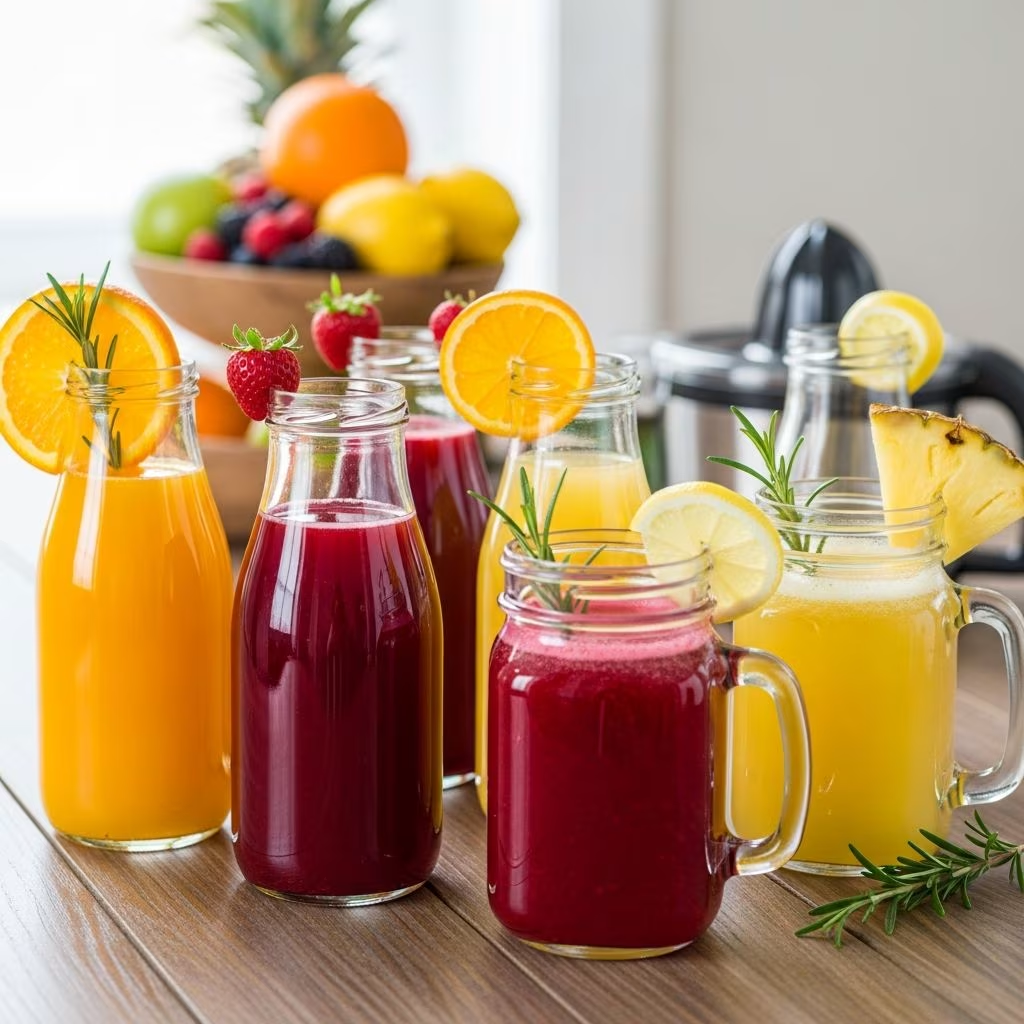
Juicing has exploded in popularity as a way to pack more fruits and vegetables into your diet, delivering vitamins, minerals, and antioxidants in a convenient form. However, store-bought juices can cost $5–$10 per bottle, making daily juicing an expensive habit. The good news? You can juice on a budget without sacrificing quality or variety. This guide shares proven strategies to slash costs while enjoying fresh, flavorful juices at home.
Why Juice on a Budget?
Homemade juicing saves up to 80% compared to commercial options. A pound of apples costs $1–$2, yielding multiple servings, versus $7 for pre-made apple juice. Beyond savings, control ingredients for customized nutrition—perfect for weight loss, detox, or energy boosts. Start small: invest in a basic juicer ($50–$100) that pays for itself in weeks.
Choose the Right Juicer for Your Budget
Not all juicers are equal in cost or efficiency. Centrifugal juicers (e.g., Hamilton Beach, $40–$80) are affordable entry points, spinning produce at high speeds for quick juice but with more foam and less yield from greens. Masticating (slow) juicers ($200+) extract more juice, especially from fibrous veggies, justifying the price for heavy users.
| Type | Price Range | Best For | Yield | Cleanup |
|---|---|---|---|---|
| Centrifugal | $40–$80 | Fruits, soft veggies | Good | Easy |
| Masticating | $200–$400 | Greens, wheatgrass | Excellent | Moderate |
| Citrus | $20–$50 | Citrus fruits only | High | Very easy |
Tip: Buy used from reputable sites or start with a blender + nut milk bag ($10) for “juicing” via straining—ideal for ultra-budget setups.
Shop Smart: Selecting Affordable Produce
The biggest expense is produce. Focus on **high-yield, low-cost items**:
- Apples and carrots: Staple bases at $0.50–$1/lb, sweet and juicy.
- Citrus (oranges, lemons): Seasonal steals under $1/lb.
- Cucumbers and celery: Hydrating fillers at pennies per serving.
- Avoid pricey exotics like kale ($3+/bunch) unless on sale; sub with spinach.
**Bulk buying** at warehouse clubs (Costco, Sam’s) cuts prices 20–30%. Farmers’ markets offer “ugly” produce—misshapen but perfect for juicing—at 50% off retail.
Seasonal and Local Sourcing Strategies
Eat with the seasons to halve costs. Summer: Berries, watermelon ($0.30/lb). Winter: Root veggies, cabbage. Check USDA seasonal guides for your region.
- CSA shares: $20–$30/week for overflowing veggie boxes.
- Gleaning programs: Free surplus from farms via apps like Fallen Fruit.
- Discount grocers: Aldi, Lidl for 40% savings on organics.
Pro tip: Freeze extras in portions—juicers handle frozen produce, extending shelf life from days to months.
Budget-Friendly Juice Recipes
These 5 recipes cost under $2/serving (4 servings each):
1. Classic Green Detox ($1.20/serving)
- 4 apples
- 2 cucumbers
- Handful spinach
- 1 lemon
- 1″ ginger
Yield: 32oz. Sweet, refreshing, liver-supporting.
2. Carrot-Ginger Zinger ($0.90/serving)
- 6 carrots
- 2 apples
- 1 lemon
- 1″ ginger
Immune booster with anti-inflammatory kick.
3. Tropical Sunrise ($1.50/serving)
- 2 oranges
- 1 pineapple (core OK)
- 2 carrots
Vitamin C bomb for under $2.
4. Beet Blast ($1.10/serving)
- 2 beets
- 3 apples
- 1 lemon
- Handful parsley
Detoxifying and energizing.
5. Simple Citrus Refresher ($0.70/serving)
- 6 oranges
- 2 grapefruits
- Mint leaves
Hydration hero.
Scale up: Juice 5–7 days’ worth, store in mason jars (fill to top, no air).
Maximize Yield and Minimize Waste
Prep tips:
- Alternate soft/hard produce to push fibers through.
- Chop minimally—juicers handle whole items.
- Juice pulp: Bake into crackers, mix into muffins, or compost.
**Yield boosters:** Drink pulp-infused smoothies or use in soups. A masticating juicer yields 20% more from the same produce.
Storage and Preservation Hacks
Fresh juice lasts 24–72 hours refrigerated. Extend to 5 days:
- Glass jars, filled to brim.
- Add lemon juice (natural preservative).
- Freeze in ice cube trays for smoothies.
Avoid plastic—transfers flavors and chemicals.
Advanced Cost-Cutting Techniques
- Grow your own: Sprouts ($1 yields gallons), herbs in windowsill pots.
- Forage safely: Dandelions, wild apples (check guides).
- Co-op buying: Split bulk with friends.
- Juice fasts: Meal replacements save on food bills.
- Apps: Flipp for sales, Too Good To Go for discount produce.
Common Juicing Mistakes to Avoid
- Overbuying perishables—plan weekly menus.
- Skipping cleanup—leads to bacteria buildup.
- Peeling everything—skins add nutrients (wash well).
- Ignoring variety—rotate to balance nutrition.
Frequently Asked Questions (FAQs)
Q: Is juicing worth the cost?
A: Yes, if done smartly. Budget juicing costs $1–$2/day vs. $200+/month on store-bought or eating out.
Q: Can I juice without a juicer?
A: Absolutely—blend and strain through cheesecloth or nut bag. Yields slightly less but saves $50+ upfront.
Q: What’s the cheapest produce for juicing?
A: Carrots, apples, celery, cucumbers—under $1/lb everywhere.
Q: How much should I juice daily?
A: Start with 8–16oz alongside meals. Consult a doctor for cleanses.
Q: Does juicing help lose weight?
A: It can, as low-calorie nutrient boost, but pair with whole foods and exercise.
Incorporate these tips to make juicing a sustainable, wallet-friendly habit. Track spending for 30 days—you’ll see real savings and feel the health benefits.
References
- National Retail Report: Retail Prices for Fruits and Vegetables — USDA Agricultural Marketing Service. 2025-10-15. https://www.ams.usda.gov/market-news/retail-report-fruits-vegetables
- Juicing for Health: Nutritional Analysis — Harvard T.H. Chan School of Public Health. 2024-03-20. https://www.hsph.harvard.edu/nutritionsource/juicing/
- Consumer Price Index for Food — U.S. Bureau of Labor Statistics. 2025-12-10. https://www.bls.gov/cpi/
- Seasonal Produce Guide — USDA. 2025-01-05. https://www.ams.usda.gov/services/local-regional/seasonal
- Food Waste Recovery — FDA. 2023-11-01. https://www.fda.gov/food/consumers/food-waste-and-recycling
This article is general information, not personal financial advice. Consider your own situation, or speak with a licensed adviser, before acting on it.


