

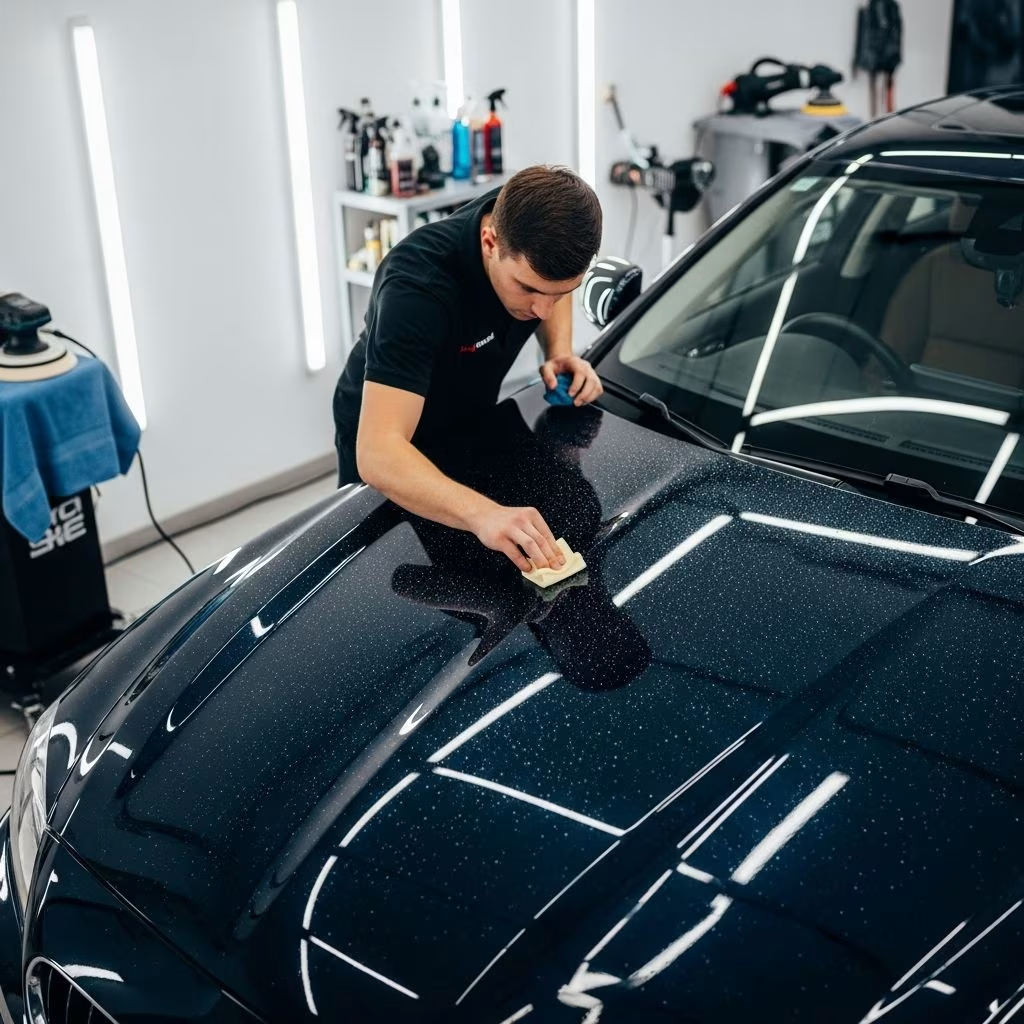
Ceramic coating applies a liquid polymer that bonds chemically with a vehicle’s paint, forming a durable, protective layer. This semi-permanent shield enhances resilience against environmental damage while improving appearance and simplifying upkeep.
Understanding the Science Behind Ceramic Coatings
Ceramic coatings consist of nano-sized silicon dioxide (SiO2) particles suspended in a liquid formula. Upon application, solvents evaporate, allowing these particles to form a hard, glass-like network that fuses with the clear coat of automotive paint. This molecular bond creates a surface harder than traditional wax, rated up to 9H on the pencil hardness scale, which measures scratch resistance.
The hydrophobic nature stems from the coating’s low surface energy, causing water contact angles to exceed 110 degrees—far superior to wax’s 80-90 degrees. This repels water, dirt, and contaminants effectively. Unlike sealants that sit atop paint, ceramic integrates into it, providing deeper protection without altering the factory finish.
Key Advantages of Applying Ceramic Coating
Vehicle owners choose ceramic coatings for their multifaceted benefits that extend paint life and reduce maintenance efforts.
- Superior Defense Against Harsh Elements: The barrier blocks ultraviolet radiation, preventing oxidation and fading. It resists bird droppings, tree sap, road salt, and acid rain, which etch unprotected paint. Studies show coated surfaces retain gloss levels 50% longer under UV exposure.
- Effortless Cleaning and Hydrophobic Effects: Water beads and sheets off, carrying away grime. This self-cleaning action means washes require milder soaps and less scrubbing, preserving the coating’s integrity over time.
- Striking Visual Enhancement: The smooth surface amplifies light reflection, deepening color saturation and creating a ‘wet look’ gloss. This elevates curb appeal, potentially boosting resale value by 5-10% according to detailing industry reports.
- Extended Durability Over Alternatives: Professional-grade products last 2-7 years, versus wax’s 1-3 months. This longevity offsets initial expenses through fewer reapplications and repairs.
Potential Drawbacks and Realistic Expectations
While powerful, ceramic coatings aren’t flawless. Understanding limitations helps set proper expectations.
| Aspect | Pro | Con |
|---|---|---|
| Cost | Long-term savings on maintenance | High upfront price ($500-$2000+) |
| Application | Permanent bond once cured | Requires expert prep and install |
| Protection | Repels contaminants effectively | No defense against physical scratches or rock chips |
| Maintenance | Simplifies washing routines | Needs specific care to avoid water spots |
Initial costs deter budget-conscious owners, as professional application demands paint correction first—polishing out swirls and defects—which adds $300-$800. DIY kits exist but often underperform without proper decontamination, like clay barring and iron removal.
Coatings don’t prevent all damage; they reduce severity. Fine scratches from automatic car washes persist, and wheels exposed to brake dust and heat degrade faster. Water spotting remains a risk if hard water evaporates on beaded droplets, embedding minerals that require pH-neutral removers.
Comparing Ceramic Coating to Traditional Options
To gauge value, stack ceramic against waxes, sealants, and paint protection films (PPF).
- Carnauba Wax: Natural shine but melts in heat, lasts weeks, offers minimal UV block.
- Synthetic Sealants: Longer life (3-6 months), better hydrophobics, but softer than ceramic.
- PPF: Thick urethane film prevents rock chips, self-heals minor scratches, but yellows over time and costs more ($3000+ for full vehicle).
Ceramic bridges protection and aesthetics affordably for most, ideal where swirl resistance and gloss matter over impact defense.
Step-by-Step Guide to Ceramic Coating Application
Proper prep ensures maximum adhesion and performance. Professionals follow this process:
- Inspection and Wash: Assess paint condition; perform two-bucket snow foam wash.
- Decontamination: Clay bar with lubricant, followed by fallout remover for embedded iron particles.
- Paint Correction: Compound and polish to remove imperfections, achieving mirror finish.
- Surface Activation: Wipe with isopropyl alcohol (IPA) to remove oils.
- Coating Application: Apply in thin, crosshatch layers with microfiber suede; allow 1-24 hour flash time per panel.
- Curing: Air dry 24-48 hours, then heat cure with infrared lamps for full hardness (up to 7 days).
Post-application, avoid water for 72 hours. Use pH-neutral shampoo and microfiber towels thereafter.
Maintenance Tips for Longevity
To maximize lifespan:
- Wash bi-weekly with on-rinse products; hand wash quarterly.
- Apply ceramic booster spray monthly to refresh hydrophobics.
- Park in garages; use indoor covers if outdoors.
- Avoid automatic brushes; opt for touchless or hand methods.
- Remove contaminants promptly with dedicated removers.
Annual inspections by detailers catch issues early, extending life to 5+ years.
Cost Analysis: Breaking Down the Numbers
Prices vary by vehicle size, coating quality, and detailer expertise:
- Budget DIY: $100-300, lasts 6-12 months.
- Consumer Pro Kit: $500-1000 for small cars.
- Premium Multi-Layer: $1500-3000 for SUVs, including correction.
ROI materializes via halved wash frequency (saving $200/year), delayed clear coat failure (averting $2000 repaints), and 5% resale uplift on $20k car ($1000 gain). Breakeven often hits within 18-24 months for daily drivers.
Who Benefits Most from Ceramic Coating?
Ideal candidates include:
- New or lightly used car owners seeking proactive protection.
- Enthusiasts in sunny, coastal, or salted-road regions.
- High-mileage commuters wanting easier upkeep.
- Resale-focused sellers enhancing appeal.
Skip if your car faces constant off-road abuse, has heavy rock chip exposure, or you’re on a tight budget favoring basic wax.
Common Myths Debunked
Myth: It’s Scratch-Proof. Reality: Reduces marring but not deep gouges.
Myth: No Maintenance Needed. Reality: Requires gentle care.
Myth: DIY Equals Pro Results. Reality: Prep errors lead to failures.
Frequently Asked Questions
Can I apply ceramic over existing wax?
No; strip all prior layers first for bonding.
How long until I can drive after coating?
Wait 24-72 hours; full cure in a week.
Does it work on matte paint?
Use specialized matte versions to avoid gloss alteration.
Is it safe for wheels and glass?
Yes, with dedicated formulations; wheels need frequent cleaning.
What if I want to remove it?
Professional compounding strips it without paint harm.
Final Verdict: Is Ceramic Coating Worth It?
For committed owners valuing gloss, ease, and protection, ceramic coating pays dividends. Weigh your driving habits, budget, and climate—high-exposure vehicles reap greatest rewards. Consult certified detailers for personalized assessments.
References
- The Pros and Cons of Ceramic Coating for Cars — Power Clean Detailing. 2023-05-15. https://www.powercleandetailing.com/the-pros-and-cons-of-ceramic-coating-for-cars
- Disadvantages of Ceramic Coating | Things to Consider — Nasiol. 2024-02-10. https://www.nasiol.com/nanoblog/disadvantages-of-ceramic-coating/
- The Pros & Cons of Ceramic Coating Cars — Ratcliffe Auto Spa. 2023-11-20. https://www.ratcliffeautospa.com/the-pros-cons-of-ceramic-coating-cars/
- 7 Cons To Know – Ceramic Coating Disadvantages — Ceramic Coat Expert. 2024-01-05. https://www.ceramiccoatexpert.com/post/7-cons-of-ceramic-coatings-to-know-before-application
- PROS and CONS of Ceramic Coating — Blackout Tinting (YouTube). 2023-08-12. https://www.youtube.com/watch?v=zHx5iE3Kg10
This article is general information, not personal financial advice. Consider your own situation, or speak with a licensed adviser, before acting on it.


