

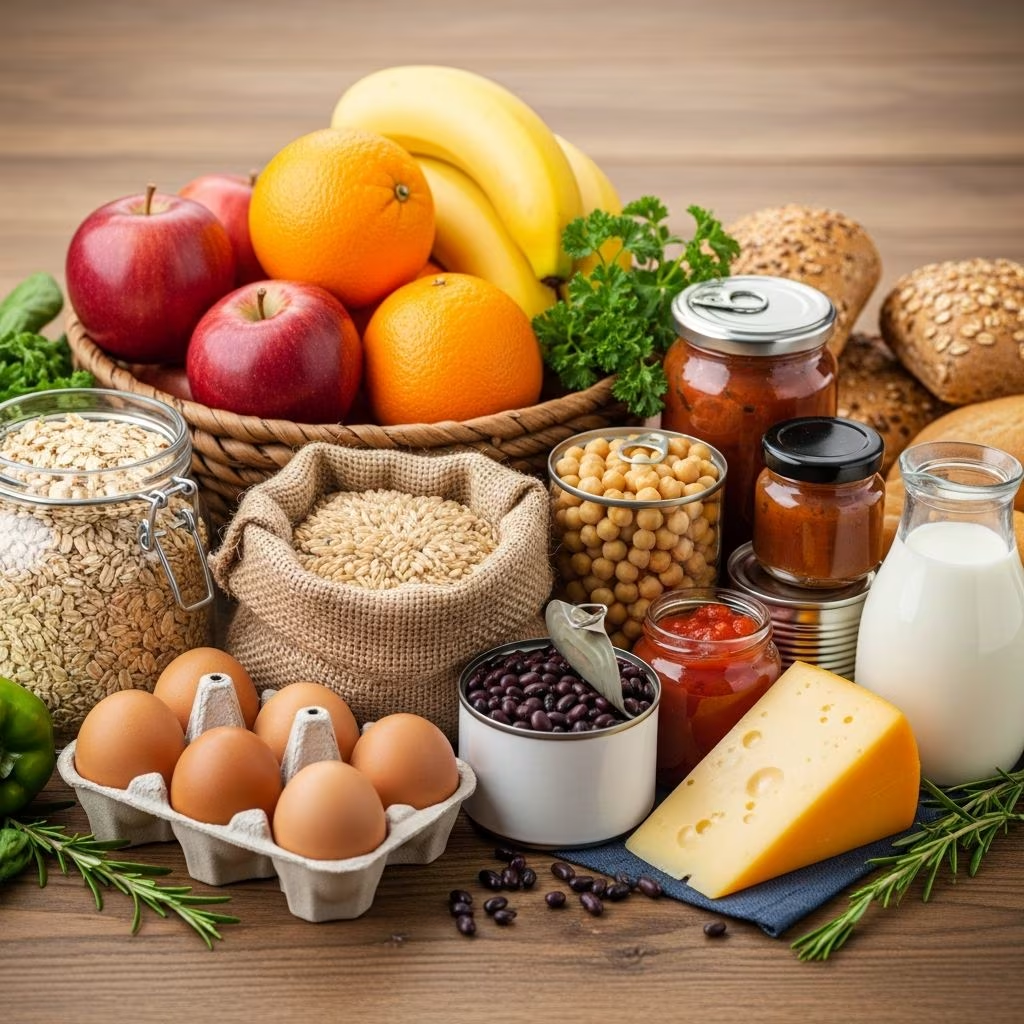
Eating healthy doesn’t have to drain your wallet. By focusing on **cheap healthy food staples**, you can build a pantry full of nutrient-dense ingredients that support balanced meals without overspending. These affordable essentials—like beans, rice, oats, and frozen vegetables—offer versatility, long shelf life, and impressive health benefits, making them ideal for budget-conscious shoppers.
This guide covers key categories of pantry staples, including grains, proteins, canned and frozen goods, produce, dairy, and condiments. We’ll explore why each is a smart buy, approximate costs, nutritional perks, and simple meal ideas to maximize value. Drawing from dietitian recommendations and nutritional data, these staples average under $2 per pound or serving, helping you save hundreds annually on groceries.
Grains: The Foundation of Budget Meals
**Grains** form the backbone of inexpensive, filling meals. They’re rich in fiber, B vitamins, and minerals, promoting steady energy and digestion. Opt for whole grains bought in bulk to slash costs—often under $1-2 per pound.
- Brown rice: At about $2 per pound, brown rice delivers 3.23 grams of fiber per cup, plus magnesium, phosphorus, and manganese. Use it for stir-fries, bowls, or as a side.
- Oats: Rolled or old-fashioned oats cost around $2 per pound and pack B vitamins, iron, and 4 grams of fiber per cup. Perfect for overnight oats, porridge, or baking.
- Quinoa: Priced at $3-4 per pound, this complete protein grain provides all essential amino acids. Rinse and cook for salads or pilafs.
- Whole wheat pasta: Legume-based options like chickpea pasta add protein. Affordable at bulk bins, ideal for quick dinners with sauce.
- Other grains: Barley, farro, millet, and wild rice—buy in bulk for pennies per serving.
Pro tip: Store grains in airtight containers to extend freshness. A single bag of brown rice can yield 20+ servings, making it a staple for meal prepping.
Legumes and Beans: Protein Powerhouses on a Dime
Dried or canned **beans and legumes** are among the cheapest proteins, offering fiber, folate, and plant-based nutrition at $1 or less per pound dry. They’re versatile for soups, salads, and mains.
- Lentils: Quick-cooking and under $1.50 per pound, high in protein and iron. Red lentils make creamy dals in 20 minutes.
- Black beans, chickpeas, kidney beans: Canned versions average $0.80 per can (about 2 servings). Rinse to cut sodium; use in tacos or chili.
- Pintos and red beans: Dry beans cost pennies per serving after soaking. Stock up for hearty stews.
| Legume | Avg. Cost/lb | Key Nutrients | Meal Idea |
|---|---|---|---|
| Lentils | $1.20 | Protein, fiber, folate | Lentil soup |
| Chickpeas | $0.90 (canned) | Iron, magnesium | Hummus |
| Black beans | $1.00 | Fiber, antioxidants | Burrito bowls |
Health experts note legumes reduce heart disease risk and aid weight management due to their satiety-boosting fiber.
Canned and Jarred Goods: Convenience Without the Cost
**Canned items** provide year-round nutrition at low prices—often $0.91 per pound for tomatoes. Choose low-sodium options packed in water.
- Canned fish: Salmon, sardines, tuna ($1-2 per can) offer omega-3s for heart health. Mix into salads or pasta.
- Tomatoes: Diced or sauce at $0.91/lb, loaded with vitamin C (37% DV per cup). Base for sauces and stews.
- Other veggies: Artichokes, pumpkin, olives—add to grains or proteins.
- Coconut milk: Light versions for curries, under $2 per can.
These staples minimize food waste and enable quick meals like tuna-stuffed peppers or tomato lentil soup.
Frozen Foods: Nutrient-Locked and Budget-Friendly
**Frozen produce and proteins** retain vitamins better than fresh, often cheaper at $1-2 per pound. No spoilage worries.
- Vegetables: Broccoli, spinach, berries, mixed veggies—steam or blend into smoothies.
- Fruits: Berries, peaches for yogurt or baking, no added sugars.
- Proteins: Chicken breasts, shrimp, edamame (under $2/bag). Edamame provides vitamin K and trace minerals.
- Grains: Pre-cooked quinoa or rice for instant meals.
Frozen options like spinach ($3.83/lb fresh equivalent but cheaper frozen) support immune health with vitamins A, C, and K.
Produce: Fresh Picks That Last
Inexpensive **vegetables** like potatoes ($0.60/lb) and cabbage ($0.62/lb) deliver vitamins without rapid spoilage.
- Potatoes and sweet potatoes: Russets for B6, sweets for beta-carotene (369% DV vitamin A).
- Carrots: $0.77/lb, rich in vitamin A for eyesight.
- Broccoli and cabbage: Vitamin C powerhouses with cancer-fighting glucosinolates.
- Bagged spinach: $3.83/lb but nutrient-dense for salads.
Buy in-season or bulk; store properly to stretch dollars.
Proteins: Lean Meats, Plant-Based, and Seafood
Affordable **proteins** keep meals satisfying. Mix animal and plant sources.
- Chicken/turkey breast: Skinless, frozen for leanness.
- Tofu, tempeh, edamame: Plant-based at under $2/lb.
- Seafood: Canned or frozen cod, shrimp, salmon.
Dairy and Alternatives: Essential for Calcium
Low-fat **dairy** or plant milks provide calcium affordably.
- Yogurt, milk: Greek yogurt for protein.
- Shelf-stable milks: Nut or oat varieties.
Nuts, Seeds, and Condiments: Flavor Boosters
**Nuts/seeds** (almonds, chia) add healthy fats; buy bulk. Condiments like mustard, vinegar, hot sauce enhance meals without calories.
Meal Planning and Shopping Tips
Plan around sales, use store brands, buy bulk. Weekly staples list: rice, beans, oats, frozen veggies, canned tomatoes. Sample weekly plan:
- Monday: Lentil soup with carrots.
- Tuesday: Veggie stir-fry over rice.
- Wednesday: Tuna salad wrap.
This approach saves 20-30% on groceries while meeting nutritional needs.
Frequently Asked Questions (FAQs)
Q: What are the cheapest healthy staples?
A: Beans, rice, oats, potatoes, and canned tomatoes—often under $1/lb with high nutrition.
Q: How do I store pantry staples?
A: Airtight containers in cool, dry places; freeze grains and proteins for longevity.
Q: Can I eat healthy on $50/week?
A: Yes, focusing on these staples and sales yields balanced meals.
Q: Are canned foods healthy?
A: Choose low-sodium, BPA-free; they retain most nutrients.
Q: Best bulk buys?
A: Grains, legumes, nuts from warehouse clubs or bins.
References
- A Healthy Grocery List You Can Actually Afford — Good Housekeeping. 2022-05-01. https://www.goodhousekeeping.com/health/diet-nutrition/a40365021/healthy-grocery-list/
- 28 Healthy Foods That Are Incredibly Cheap — Healthline. 2023-10-15. https://www.healthline.com/nutrition/29-cheap-healthy-foods
- Staple Ingredients for Quick Healthy Meals — American Heart Association. 2024-01-10. https://www.heart.org/en/healthy-living/healthy-eating/cooking-skills/meal-planning/staple-ingredients-for-quick-healthy-meals
- How To Stock a Healthy Pantry — Nourished by Nutrition. 2023-08-20. https://nourishedbynutrition.com/how-to-stock-a-healthy-pantry/
This article is general information, not personal financial advice. Consider your own situation, or speak with a licensed adviser, before acting on it.


