

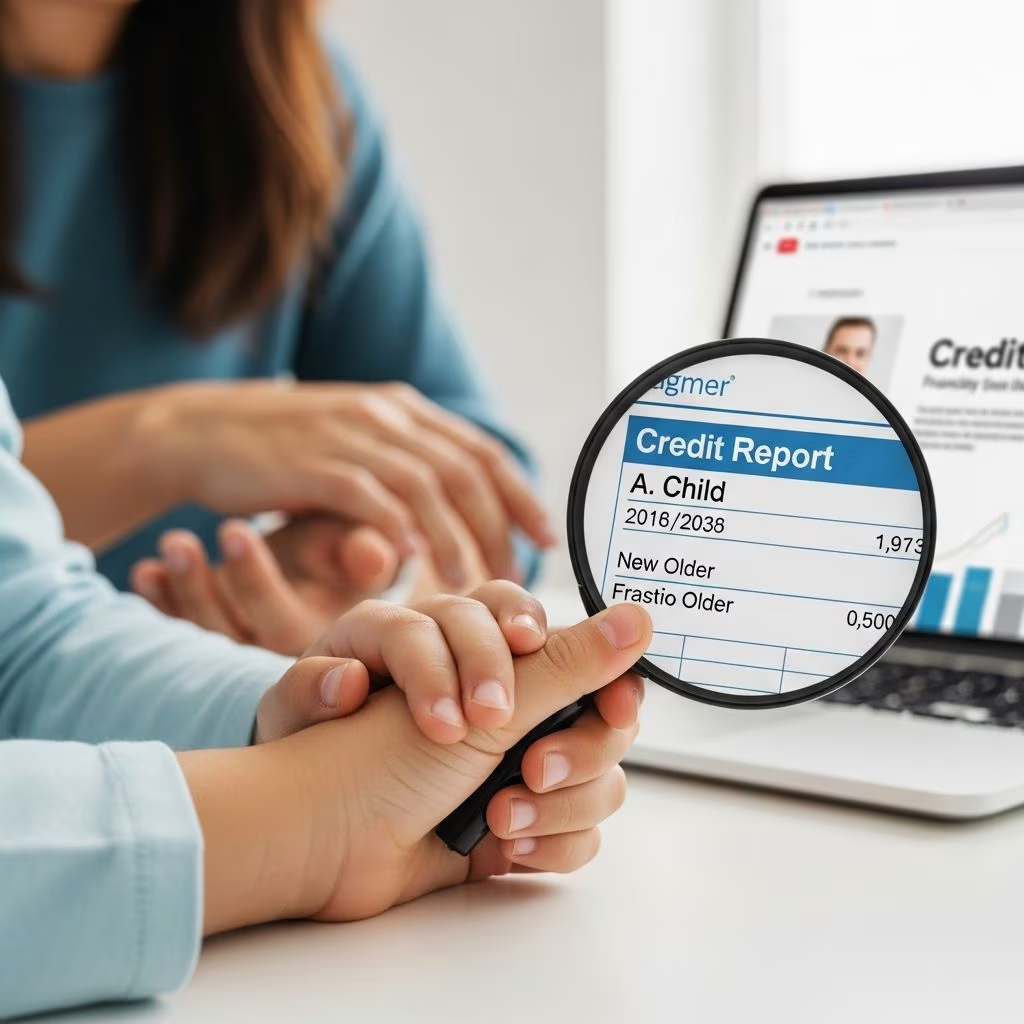
Most children under 18 do not possess credit reports, as they rarely engage in credit activities. However, certain circumstances like identity theft, clerical errors, or being added to an adult’s account can create one unexpectedly.
Understanding this is vital for parents, as an unauthorized credit file can hinder a child’s financial future or signal fraud. This guide explains when minors might have credit histories, verification processes by age, protection strategies, and early credit-building options.
Reasons Minors End Up with Credit Files
Credit reports typically form when individuals apply for loans or cards, activities off-limits to children without adult involvement. Yet, files can appear for legitimate or problematic reasons.
- Identity Theft: Criminals exploit children’s clean slates and inactive Social Security numbers (SSNs). Fraud may linger undetected for years, with studies showing about 2.5% of households with kids under 18 affected.
- Family Name Mix-Ups: Shared names or details with parents can merge records erroneously.
- Authorized User Status: Parents adding kids to credit cards may trigger reporting, though not all issuers do so for minors.
- Joint Accounts: Rare cases where adults open shared accounts in a child’s name.
- Errors by Bureaus: Incorrect birth dates or data entry mistakes create unintended profiles.
Warning signs include child-targeted mail like pre-approved cards, debt notices, or collection calls—prompt immediate checks.
Why Checking Matters for Family Security
Early detection prevents lasting damage. Fraudulent accounts can lower scores, complicate adult loans, or rentals. Errors persist into adulthood if uncorrected. The Consumer Financial Protection Bureau (CFPB) urges reviews around age 16.
Proactive parents safeguard futures: clean files ease transitions to independence, like college loans or first apartments.
Step-by-Step: Verifying a Minor’s Credit Status
Processes differ by age and bureau (Experian, Equifax, TransUnion). No centralized online portal exists for under-13s due to federal rules. Gather ID docs first: child’s birth certificate, SSN card, parent’s license, address proof, and guardianship papers if needed.
For Children Under 13
Mail requests only—no online option. Contact each bureau:
- Experian: Submit via mail with child’s full name, address, DOB, SSN, and supporting docs.
- Equifax: Similar postal process; include parent/child IDs.
- TransUnion: Provide name, DOB, SSN, birth certificate copy.
Expect a response confirming existence or ‘no file.’ If present, review for issues.
For Teens 13-17
Limited online access possible at AnnualCreditReport.com, but mail preferred for verification. Provide same docs; some bureaus allow parent-guaranteed online pulls.
| Age Group | Method | Required Docs | Notes |
|---|---|---|---|
| Under 13 | Mail only | Birth cert, SSN, parent ID | No online per federal law |
| 13-17 | Mail or limited online | Same + address proof | Check bureau sites first |
| 18+ | Online via AnnualCreditReport.com | SSN, personal ID | Weekly free reports |
Responding to an Existing Child Credit File
If a report exists:
- Analyze Contents: Note accounts, inquiries, personal info. Legit authorized users show family cards; fraud reveals strangers.
- Dispute Errors: File with bureaus online/mail, attaching proof. Reference FCRA rights.
- Report Fraud: Alert FTC at IdentityTheft.gov, place fraud alert, consider police report.
- Monitor Regularly: Annual checks until 18.
Preventing Problems: Credit Freezes for Kids
The strongest defense is a credit freeze—blocks new accounts without consent. Available at birth, it lasts until lifted by parent or child at 18.
- Free, reversible process per bureau.
- Submit child’s SSN, DOB, docs via mail/phone/online where allowed.
- Even without files, freezes create protective profiles.
Combine with SSN monitoring, secure document storage, and teaching kids against sharing personal info.
Responsible Ways to Introduce Credit to Teens
Post-16, ethical building aids adulthood without risks.
Authorized User Benefits
Add to parent’s strong-history card. No minimum age legally, but issuer policies vary—Chase skips minor reporting. Positive payment history transfers, teaching responsibility.
Other Options Under 18
- Secured Cards: Rare for minors; need co-signer.
- Credit-Builder Loans: Age 18+ typically.
- Education First: Explain scores (300-850 FICO/VantageScore), utilization (<30%), on-time payments.
Avoid joint accounts pre-18; they risk shared liability.
Frequently Asked Questions
Can babies have credit reports?
Yes, if SSN misused for fraud—freeze immediately at birth.
Is a child’s credit score possible before 18?
Rare; reports yes, scores need activity history. Most scores start at 18.
How often should I check?
Once at 16, then yearly; more if suspicious mail.
Does adding as authorized user hurt my score?
No, if managed well; tracks usage.
What if no report exists?
Ideal—freeze to keep it that way.
Long-Term Financial Wellness for Families
Empower kids with knowledge: track spending, save, understand debt. Parental modeling builds habits. By 18, they’ll launch with solid foundations, avoiding pitfalls like high-interest debt.
Resources: CFPB, FTC guides, bureau sites. Act now—protection compounds like good credit.
References
- Ways to establish credit history for your child — Chase. 2023. https://www.chase.com/personal/credit-cards/education/build-credit/how-to-establish-credit-history-for-your-child
- How Teenagers Can Build Credit Before Turning 18 — Discover. 2024. https://www.discover.com/credit-cards/card-smarts/how-to-build-credit-under-18/
- How do I check to see if a child has a credit report? — Consumer Financial Protection Bureau. 2025-03-15. https://www.consumerfinance.gov/ask-cfpb/how-do-i-check-to-see-if-a-child-has-a-credit-report-en-1865/
- Should your child have a credit report? — Allstate Identity Protection. 2024. https://www.allstateidentityprotection.com/content-hub/child-credit-check
- Requesting reports in special situations — AnnualCreditReport.com. 2025. https://www.annualcreditreport.com/requestingReportsInSpecialSituations.action
- Does My Child Have a Credit Report? — Experian. 2024-06-10. https://www.experian.com/blogs/ask-experian/does-your-child-have-a-credit-report/
- Children & Credit Reports: What Parents Should Know — Fsource.org. 2024. https://www.fsource.org/learn/blog/financial-friday/children-credit-reports-what-parents-should-know
This article is general information, not personal financial advice. Consider your own situation, or speak with a licensed adviser, before acting on it.


