

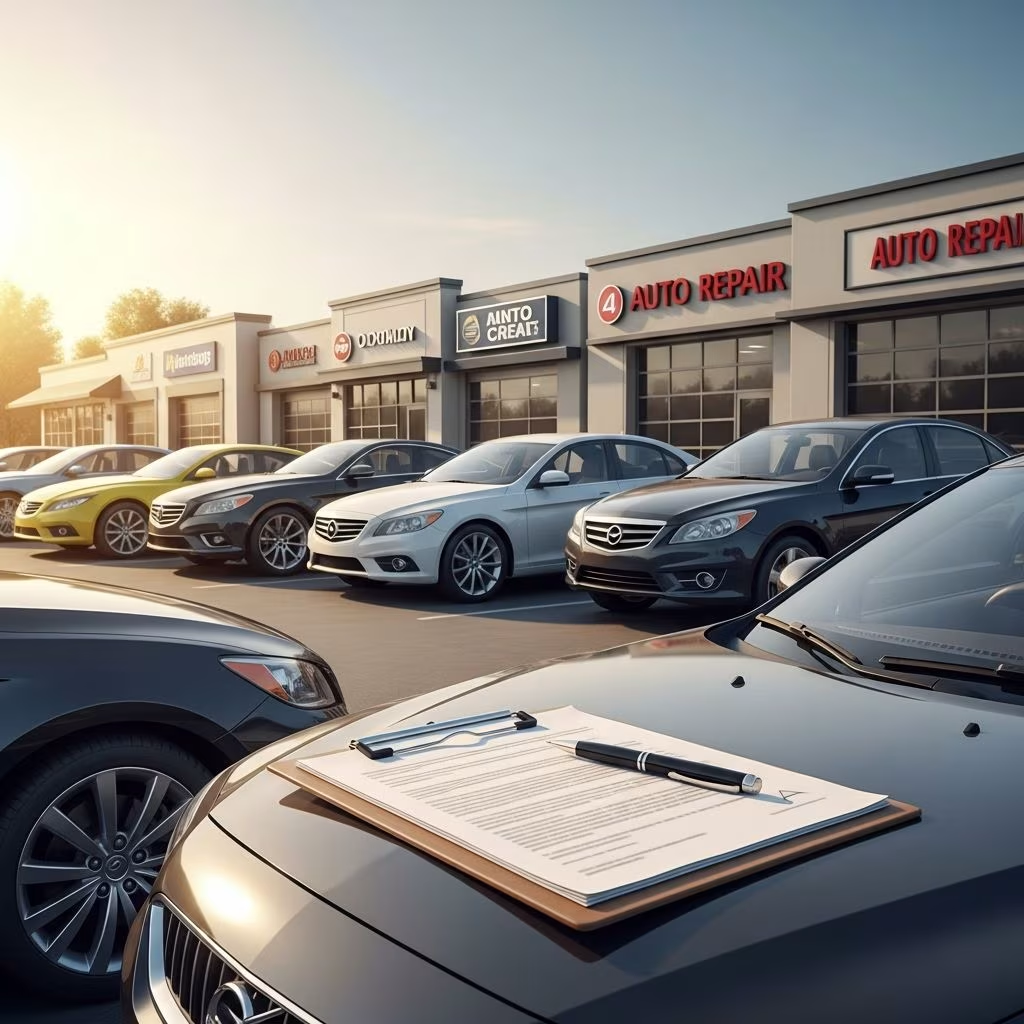
After a vehicle collision, one of the first decisions you’ll face is where to take your car for repairs, especially when filing an insurance claim. The good news is that in most cases, you hold the authority to select any qualified repair facility, regardless of your insurer’s suggestions. This freedom empowers you to prioritize quality, convenience, and trust over corporate preferences. Understanding this right, along with practical strategies for choosing wisely, can prevent headaches, ensure vehicle safety, and streamline your claim process.
Understanding Your Legal Authority in Repair Choices
State and federal regulations generally protect drivers’ rights to decide on their own repair providers. Insurers cannot mandate the use of their preferred shops, though they may recommend them through programs like Direct Repair Programs (DRPs). These networks promise faster processing and guarantees, but opting out does not forfeit your claim coverage. For instance, if your policy covers collision damage, the payout applies to repairs at your chosen shop, provided estimates align with the adjuster’s assessment.
Adjusters may request multiple quotes if they deem your initial estimate excessive, but you retain negotiation power. Policies sometimes specify parts types—original equipment manufacturer (OEM) versus aftermarket—but shop selection remains yours. Always document agreements in writing to safeguard against disputes.
Benefits and Drawbacks of Insurer-Recommended Networks
Insurance-affiliated shops offer conveniences like direct billing, vehicle shuttles, and lifetime warranties on repairs. These facilities often handle paperwork, potentially accelerating approvals and reducing your involvement. However, concerns arise over cost-cutting measures, such as non-OEM parts that might compromise long-term durability and safety.
| Aspect | Insurer Network Shops | Independent Shops |
|---|---|---|
| Repair Speed | Faster due to pre-approvals | May involve more estimate reviews |
| Cost Control | Often lower bids to insurers | Potentially higher but customizable |
| Warranty | Guaranteed by insurer | Shop-specific, often lifetime |
| Parts Quality | May use aftermarket | OEM options available |
| Customer Control | Less flexibility | Full choice and oversight |
Independent shops allow greater oversight, ensuring repairs meet your standards. Studies and consumer reports highlight that while networks excel in efficiency, independents often deliver superior craftsmanship, particularly for complex modern vehicles requiring specialized tools.
Key Factors for Selecting a Superior Collision Center
Choosing the right shop demands thorough evaluation. Start by verifying certifications: Look for I-CAR Gold Class, which confirms technicians’ training in advanced repair methods, and Automotive Service Excellence (ASE) badges. Manufacturer certifications signal adherence to brand-specific protocols, vital for vehicles with aluminum frames or advanced electronics.
- Technician Expertise: Inquire about staff training and experience with your vehicle make.
- Customer Feedback: Scan reviews on platforms like the Better Business Bureau (BBB) for patterns in service quality and dispute resolution.
- Warranty Details: Seek lifetime coverage on labor and paint, applicable nationwide, with clear claim procedures.
- Insurance Handling: Confirm the shop’s familiarity with your provider for seamless billing.
- Facilities and Equipment: Ensure frame machines, paint booths, and diagnostic tools match industry standards.
Obtain at least three written estimates detailing parts, labor, and timelines. Beware of suspiciously low bids that omit necessary work. Reputable shops provide signed documents and explain any supplements for hidden damage.
Navigating the Estimate and Approval Process
Post-accident, photograph damage thoroughly before moving the vehicle. Contact your insurer promptly to initiate the claim, then select your shop. The facility will assess and submit an estimate, which the adjuster reviews—often virtually or on-site.
If discrepancies arise, negotiate by providing evidence like photos or additional quotes. Some policies require OEM parts for newer cars, so clarify this upfront. Rental coverage, if included, applies regardless of shop choice; confirm duration and type with your agent.
During repairs, request progress updates. For supplements—extra costs from teardown discoveries—insist on insurer approval before proceeding to avoid out-of-pocket expenses.
Ensuring Repair Quality and Long-Term Safety
Post-repair inspections are crucial. Test drive with a technician present, checking alignment, noises, and electronics. Retain all paperwork for warranty claims.
Quality shops use precision tools for structural integrity, essential for crash-involved vehicles. Poor repairs risk airbag malfunctions or frame weaknesses, endangering lives. Opt for shops with clean records and transparent practices to minimize recalls or redo costs.
Common Pitfalls to Avoid When Making Your Choice
Steer clear of insurer pressure tactics promising faster service, as independents match efficiency with expertise. Don’t accept verbal assurances—everything in writing. Ignore shops lacking certifications or with unresolved complaints.
Another trap: Rushing decisions amid stress. Take 24-48 hours to research, balancing urgency with diligence. Finally, understand total loss thresholds; if repairs exceed value, insurers may settle cash instead.
Frequently Asked Questions
Can my insurance deny my claim if I pick a non-network shop?
No, coverage remains intact as long as repairs are reasonable and documented. Insurers pay based on estimates, not shop affiliation.
What if the shop’s estimate exceeds the adjuster’s?
Provide justification or additional quotes. Negotiation often yields adjustments; escalate to supervisors if needed.
Are aftermarket parts safe?
Many meet standards, but OEM ensures exact fit for safety systems. Check policy mandates.
How long do repairs typically take?
Minor fixes: 3-5 days; major collisions: 2-4 weeks, depending on parts availability.
Does choosing my shop affect premiums?
Not directly; at-fault claims impact rates regardless.
Steps to Take Immediately After an Accident
- Ensure safety and call emergency services if injured.
- Exchange info with others involved; document scene.
- Contact insurer and preferred shop for appraisal.
- Secure rental if covered.
- Review policy for deadlines.
Empowering yourself with knowledge transforms a stressful event into a manageable process. By asserting your repair rights and vetting shops meticulously, you secure not just fixes, but peace of mind on the road ahead.
References
- Helpful tips: How to choose an auto body shop after an accident — State Farm. 2023. https://www.statefarm.com/simple-insights/auto-and-vehicles/how-to-choose-an-auto-body-shop-after-an-accident
- How to Choose a Collision Shop: A Complete Guide — Better Collision. 2024. https://www.bettercollision.com/post/choosing-the-right-collision-shop-what-you-need-to-know
- Can You Choose the Repair Shop for a Car Insurance Claim? — Experian. 2025-03-15. https://www.experian.com/blogs/ask-experian/can-you-choose-repair-shop-for-insurance-claim/
- Tips to choose the right auto repair shop — Hanover Insurance. 2024. https://www.hanover.com/resources/tips-individuals-and-businesses/prepare-now-learn-how/tips-choose-right-auto-repair-shop
- Choosing Your Own Repair Shop After a Car Accident — GTS Law Firm. 2023. https://www.gtslawfirm.com/understanding-your-rights-choosing-your-own-repair-shop-after-a-car-accident
This article is general information, not personal financial advice. Consider your own situation, or speak with a licensed adviser, before acting on it.


