

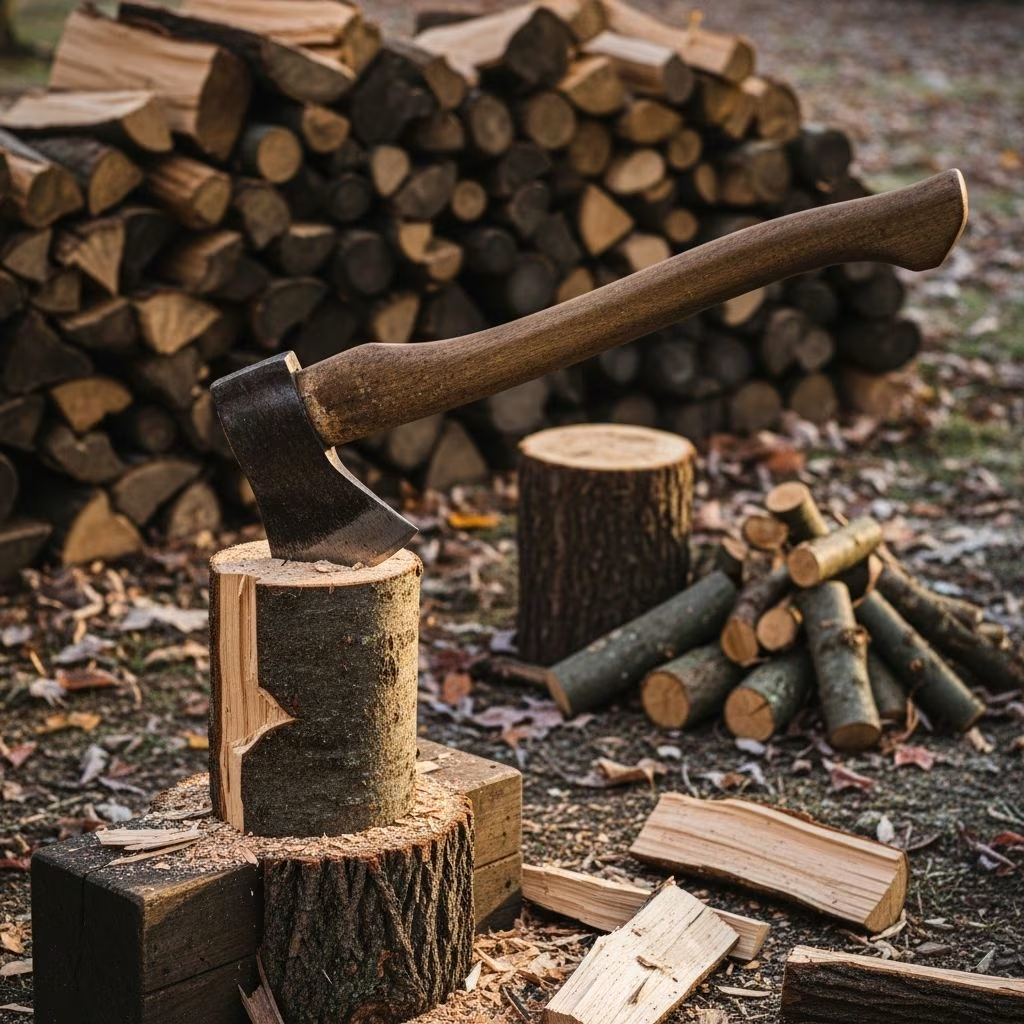
Winter heating bills can hit hard, but chopping your own firewood offers a budget-friendly way to stay warm. This hands-on approach not only cuts costs significantly but also provides exercise and self-reliance. Families across the U.S. are turning to wood-burning stoves and fireplaces to combat rising energy prices, potentially saving hundreds annually.
Why Chop Your Own Firewood?
Heating with firewood is one of the most economical options for winter warmth. According to the U.S. Energy Information Administration, average household heating costs exceed $1,200 yearly, with natural gas and electricity leading the pack. Wood, however, costs far less when sourced locally and processed yourself—often under $200 per cord for self-cut supplies.
Chopping firewood builds physical strength, reduces gym memberships, and offers therapeutic outdoor time. A cord of wood (128 cubic feet) can heat a home for a full season in moderate climates, replacing thousands of kilowatt-hours of electricity or therms of gas.
- Cost savings: Buy seasoned wood for $150-$300 per cord vs. $400+ delivered ready-to-burn.
- Fitness benefits: Burns 400-600 calories per hour of chopping.
- Environmental perks: Renewable fuel if sourced sustainably.
The Savings Add Up Fast
Imagine slashing your heating bill by 50%. For a typical 2,000 sq ft home, that’s $600+ back in your pocket. Self-processing wood eliminates delivery fees and markups. Plus, excess wood can be sold or traded locally.
| Heating Method | Average Annual Cost | Self-Chopped Wood Savings |
|---|---|---|
| Natural Gas | $800-$1,200 | $500-$900 |
| Electricity | $1,000-$1,500 | $700-$1,200 |
| Propane | $1,500-$2,500 | $1,200-$2,200 |
| Firewood (Bought) | $400-$800 | $200-$500 |
Data based on U.S. EIA 2025 averages for a standard home. Actual savings vary by location and usage.
Tools You’ll Need to Get Started
Investing in quality tools ensures efficiency and safety. Start with basics; upgrade as needed.
- Axe or Mauls: 6-8 lb felling axe for trees, splitting maul for logs. Fiskars X27 is a top-rated splitting axe for beginners.
- Chainsaw: 16-20 inch bar for most jobs. Stihl MS 271 is reliable for homeowners.
- Safety Gear: Chaps, helmet with face shield, steel-toe boots, gloves.
- Log Splitter: Manual for small jobs; hydraulic rental for large volumes.
- Other Essentials: Wedges, sawhorses, whetstone for sharpening, tarp for stacking.
Budget: $300-$800 for starter kit. Rent chainsaws ($50/day) to test before buying.
Finding Firewood: Where and How
Free or cheap wood is everywhere if you know where to look.
- Public Lands: Check U.S. Forest Service permits ($10-$20/cord). Apps like firewoodmap.com list spots.
- Local Tree Services: Arborists give away logs post-storm. Craigslist ‘free’ section often lists them.
- Neighbors/Farmers: Offer labor for downed trees. Rural areas have abundant deadfall.
- Buy in Bulk: Unsplit logs from mills at $100-$200/cord.
Harvest sustainably: Only dead/dying trees. Get permission on private land.
Step-by-Step: How to Chop Firewood Safely
Follow these steps for efficient, injury-free chopping.
- Fell the Tree: Notch base, cut from opposite side. Aim away from obstacles.
- Limb and Buck: Remove branches, cut trunk into 16-24 inch rounds.
- Split Logs: Stand on flat surface. Swing maul with controlled overhand motion, aiming center grain.
- Stack Properly: Airflow is key. A-frame or woodpile against house (18 inches off ground).
Pro Tip: Chop in fall for natural drying. Aim for 6-12 months seasoning.
Safety First: Avoid Common Mistakes
Injuries send thousands to ER yearly. Prioritize safety.
- Wear full PPE—chaps prevent 80% of chainsaw cuts.
- Check tool sharpness; dull blades kick back.
- Work with a partner for felling.
- Avoid solo chopping in remote areas.
- Know your limits—rent splitters for big jobs.
Seasoning and Storing Firewood Like a Pro
Green wood smokes and burns poorly. Proper seasoning boosts efficiency.
- Drying Time: 6-12 months under cover.
- Moisture Test: Cracks in ends, light weight, <20% moisture.
- Storage: Elevated, cross-stacked for airflow. Cover top only.
Bad wood wastes 30% energy. Invest in a moisture meter ($20).
Best Woods for Burning and What to Avoid
| Wood Type | BTU Rating | Pros | Cons |
|---|---|---|---|
| Hickory/Oak | High | Long burn, hot fire | Slow to season |
| Pine | Low | Easy light, free | Sparks, creosote |
| Maple | Medium | Clean burn | Medium availability |
| Aspen/Poplar | Low | Quick season | Short burn |
Avoid resinous softwoods in stoves; mix hardwoods for best results.
Building and Maintaining a Safe Fire
Maximize warmth, minimize risks.
- Stove/Fireplace Prep: Annual chimney sweep ($150-$300).
- Kindling Starter: Dry twigs, newspaper. Fatwood for reliability.
- Burn Method: Hot, clean fires. Avoid smoldering.
Install CO detectors; clean ash weekly.
Frequently Asked Questions (FAQs)
Q: How much firewood do I need for winter?
A: 2-4 cords for a primary heat source in cold climates; 1 cord supplements well.
Q: Is chopping firewood worth the effort?
A: Yes, saves $500+ yearly with exercise bonus. Rent tools to start cheap.
Q: What’s the cheapest way to get firewood?
A: Craigslist free logs or Forest Service permits. Process yourself for max savings.
Q: Can beginners chop safely?
A: Yes, with PPE, practice on small logs, and online tutorials.
Q: Does wood heat efficiently vs. gas?
A: Often better BTUs per dollar; radiant heat feels warmer.
Bonus Tips for Year-Round Savings
Combine with insulation upgrades, thermostat tweaks. Track savings to stay motivated.
References
- Residential Energy Consumption Survey — U.S. Energy Information Administration (EIA). 2025-10-01. https://www.eia.gov/consumption/residential/
- Firewood Basics for Home Heating — U.S. Forest Service. 2024-05-15. https://www.fs.usda.gov/managing-land/firewood
- Wood Heating Safety Guidelines — National Fire Protection Association (NFPA). 2025-01-10. https://www.nfpa.org/education-and-research/home-fire-safety/wood-burning
- Energy Efficiency in Residential Heating — U.S. Department of Energy. 2024-11-20. https://www.energy.gov/energysaver/wood-and-pellet-heating
- Firewood Production and Use — University of Missouri Extension. 2023-08-12. https://extension.missouri.edu/publications/g5180
This article is general information, not personal financial advice. Consider your own situation, or speak with a licensed adviser, before acting on it.


