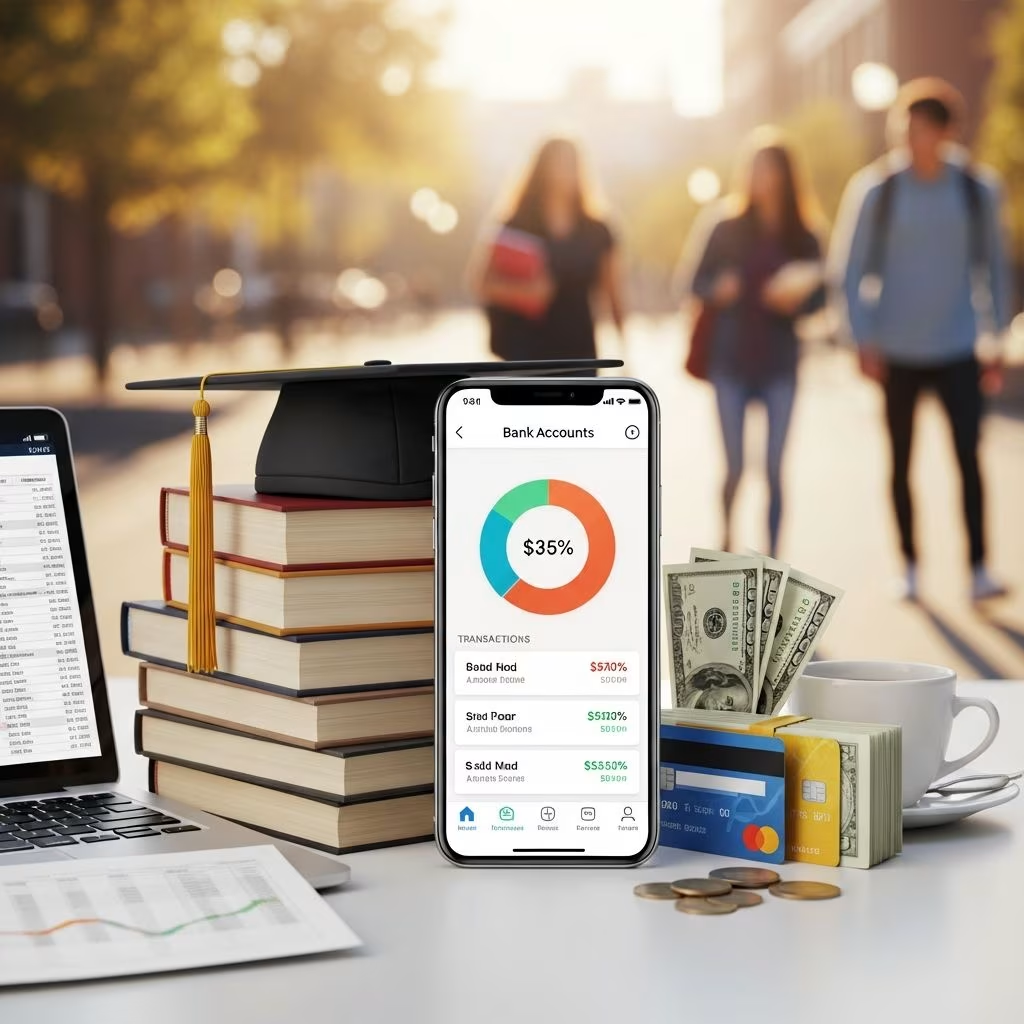
College marks a pivotal transition where financial independence becomes reality for many. Opening dedicated checking and savings accounts equips students with tools to handle daily transactions, build emergency funds, and avoid costly pitfalls like overdraft fees. These accounts, often tailored for young adults, provide fee waivers, digital tools, and perks that align with limited budgets and busy schedules.
Why Every College Student Should Have a Bank Account
Transitioning from parental oversight to self-managed finances requires reliable banking. Without a personal account, students risk carrying cash, which is prone to loss or theft, or relying on inconvenient alternatives like money orders. A checking account enables seamless payments for tuition, books, meals, and rent via debit cards or apps, while savings accounts encourage setting aside funds for unexpected costs.
- Convenience: Deposit paychecks from part-time jobs instantly and pay bills digitally, saving time amid classes and extracurriculars.
- Security: FDIC-insured accounts protect up to $250,000, far safer than cash stashed in dorms.
- Financial Literacy: Tracking transactions via apps teaches budgeting, a skill vital as student loan debt hits record highs—up 343% since 2005.
- Perks for Students: Many banks waive fees for those under 25 or enrolled full-time, turning banking into a no-cost service.
Statistics underscore urgency: Families now cover 48% of college costs from income and assets, up from 38% a decade ago, pressuring students to manage personal funds wisely.
Checking Accounts: Handling Day-to-Day Finances
Checking accounts are the cornerstone for routine spending. Student-specific versions prioritize zero monthly fees, no minimum balances, and overdraft protection to prevent negative balances that accrue charges.
| Bank | Key Features | Fee Waivers | Bonus |
|---|---|---|---|
| PNC Virtual Wallet Student | Checking + savings combo, budgeting tools, webinars | No fees up to 6 years | Educational resources |
| Chase College Checking | 4,700+ branches, 15,000+ ATMs | No monthly fee for students | $125 sign-up bonus (10 transactions) |
| Bank of America Advantage | 16,000 ATMs, budgeting alerts | Fees waived until 25 | No overdraft/NSF fees |
| Citizens Student Banking | Interest-bearing checking | No minimums, overdraft fees | Unlimited free ATMs |
Ideal accounts feature mobile apps for real-time monitoring. For instance, Capital One Money offers fee-free access from age 8, extending into college with 0.10% APY and 70,000+ ATMs. Discover Cashback Debit rewards spending with cash back, no minimums required.
Savings Accounts: Building a Safety Net
Pairing checking with savings fosters discipline. Even small deposits compound over time, countering rising tuition—up 45% at public universities in the last decade. Student savings often yield interest and link to checking for automatic transfers.
- Emergency Fund Goal: Aim for 3-6 months of expenses; start with $500-1,000.
- High-Yield Options: Ally or Capital One provide competitive APYs without fees.
- Integration: Tools like PNC’s Virtual Wallet auto-allocate spending to savings buckets for goals like textbooks or travel.
Banks like Bank of America offer customized alerts to nudge savings habits, crucial as 60% of families skip 529 plans, relying on taxable savings instead.
Key Features to Seek in Student Bank Accounts
Selecting the right bank hinges on features matching student life: mobility, low costs, and support.
No or Low Fees
Top priority: Accounts waiving maintenance fees during enrollment. Chase and Bank of America extend waivers post-graduation, easing early career transitions.
Extensive ATM Access
Avoid out-of-network fees with large networks—Chase’s 15,000+ ATMs or Bank of America’s 16,000 ensure nationwide access without charges.
Digital Tools and Apps
Mobile-first banking is essential. PNC provides calculators and articles; Citizens offers fee-free digital transfers.
Overdraft Protection
Link to savings or decline overdrafts to dodge fees. Many student accounts, like Citizens, eliminate them entirely.
Opening Your First Account: Step-by-Step
Getting started is straightforward, often online in minutes.
- Gather Documents: Student ID, SSN, proof of enrollment.
- Compare Options: Use tables above; check for campus branches.
- Apply Online: Most approve instantly for 18+; parents co-sign for minors.
- Fund It: Direct deposit student aid or job paychecks.
- Set Up Alerts: Monitor via app for low balances or unusual activity.
For under-18s, Capital One allows teen accounts with parental oversight, transitioning seamlessly to college. International students should verify SSN alternatives like ITIN.
Common Pitfalls and How to Avoid Them
New bankers often stumble; prevention builds habits.
- Overdraft Traps: Opt for accounts without fees; transfer from savings automatically.
- Impulse Spending: Use app categorization to review weekly.
- Forgotten Fees: Confirm student status annually for waivers.
- Security Risks: Enable two-factor authentication; never share PINs.
With 97% of indebted graduates delaying milestones like homeownership, disciplined banking averts long-term setbacks.
Advanced Strategies: Beyond Basics
Grow finances proactively. Link accounts to 529 plans for tax-free college savings rollovers up to $35,000. High-yield savings beat traditional rates; apps like Acorns round up purchases for micro-investments.
Part-time earners: Maximize direct deposit bonuses, like Chase’s $125. Track scholarships via bank tools—J.P. Morgan notes financial aid lags cost hikes.
FAQs
Do I need a bank account in college?
Yes, for security, convenience, and fee savings over cash or prepaid cards.
What’s the best free checking for students?
PNC Virtual Wallet Student tops lists for tools and 6-year fee waivers.
Can parents open accounts for me?
Yes, joint or teen accounts like Capital One Money work until 18.
Are student accounts interest-bearing?
Some, like Citizens or Ally, offer APYs; others prioritize zero fees.
How to switch banks in college?
Update direct deposits, close old account after transfers; new ones often reimburse fees.
Long-Term Financial Wellness
Student banking lays groundwork for life. Consistent saving counters debt trends; tools demystify finance. By graduation, a solid credit history via responsible debit use positions you for loans or apartments. Explore resources like Bank of America’s student guides for ongoing education.
References
- The 6 Best Banks for College Students — SavingForCollege.com. 2026. https://www.savingforcollege.com/article/best-banks-for-college-students
- Best Banks and Credit Unions for Students for 2026 — Money.com. 2026. https://money.com/best-banks-for-students/
- Best Checking Accounts for College Students 2026 — MoneyRates.com. 2026. https://www.moneyrates.com/research-center/best-checking-accounts-for-college-students/
- Financial Education & Resources for Students & Young Adults — Bank of America. 2026. https://info.bankofamerica.com/en/student-banking
- J.P. Morgan Asset Management Releases 2026 College Planning Essentials — J.P. Morgan. 2026-03-12. https://am.jpmorgan.com/us/en/asset-management/adv/about-us/media/press-releases/jp-morgan-asset-management-releases-2026-college-planning-essentials-as-tuition-continues-to-outpace-inflation/
This article is general information, not personal financial advice. Consider your own situation, or speak with a licensed adviser, before acting on it.