

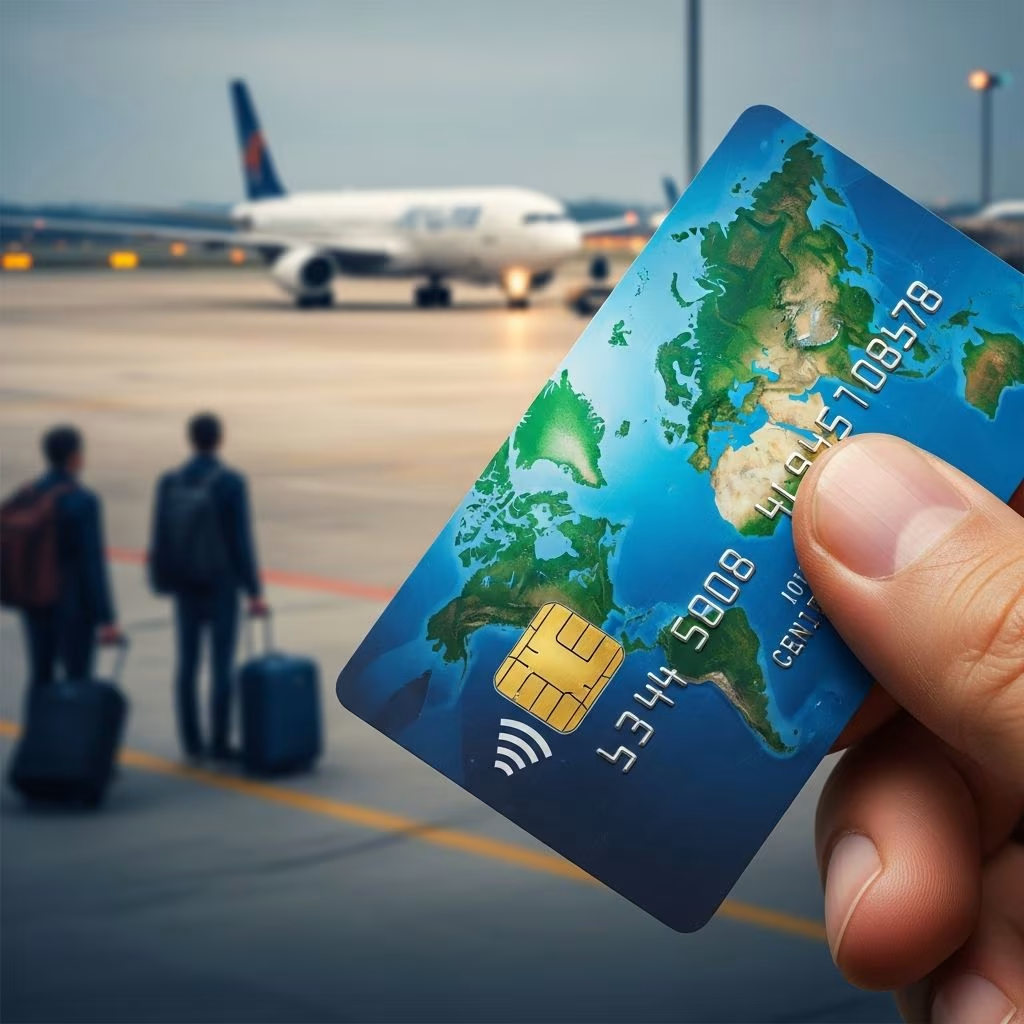
Traveling with a debit card might seem straightforward, but it exposes you to unnecessary risks and expenses that can turn a dream vacation into a financial headache. Credit cards, when chosen wisely, provide robust safeguards, cost-saving features, and bonuses that debit options lack, potentially saving you hundreds or even thousands over multiple trips.
The Hidden Dangers of Debit Cards Overseas
Debit cards link directly to your checking account, offering a sense of control by limiting spending to available funds. However, this direct access becomes a vulnerability abroad. Fraudsters target travelers, and unauthorized charges withdraw real money immediately, leaving you scrambling while funds are tied up in disputes.
Hotels and car rentals often place large holds—sometimes $500 or more—on debit cards for incidentals, freezing your cash for days or weeks. This can derail autopayments back home, triggering fees or credit dings. ATM withdrawals add insult with fees up to $5 per use plus 1-3% foreign transaction charges, eroding your budget quickly.
- Fraud vulnerability: Limited liability protections mean stolen funds deplete your account instantly.
- Fee accumulation: Dynamic currency conversion and ATM surcharges inflate costs.
- Acceptance issues: Some vendors prefer credit for larger bookings.
Why Credit Cards Excel for Globetrotters
Credit cards act as a buffer between your money and merchants. Charges hit a line of credit, not your bank balance, giving issuers time to investigate fraud without impacting your liquidity. Zero-liability policies from networks like Visa and Mastercard ensure you rarely pay for unauthorized use.
Travel-optimized cards waive foreign transaction fees, using network exchange rates that beat airport kiosks or bank ATMs. Many include perks like lounge access, while holds from rentals release faster since they don’t drain personal funds.
| Aspect | Credit Card Advantage | Debit Card Drawback |
|---|---|---|
| Fraud Response | Funds protected; quick reissuance | Account drained; slow recovery |
| Fees | Often 0% foreign; best rates | 1-3% + ATM charges |
| Holds/Preauth | Non-depleting credit line | Ties up checking balance |
| Perks | Rewards, insurance included | None standard |
Unlocking Rewards and Insurance Perks
Beyond protection, credit cards turn expenses into earnings. Travel cards award 2-5x points on flights, hotels, and dining, redeemable for future trips or cash. A $2,000 itinerary could yield $100+ in value, offsetting fees elsewhere.
Built-in insurance covers trip delays (up to $500), cancellations ($10,000 limits), baggage loss, and primary rental car coverage—saving $15-30/day on standalone policies. Purchase protection extends warranties and reimburses theft/damage, features absent from debit.
- Earn miles on airfare for free upgrades.
- Reimbursement for delayed bags or meals.
- Global Entry credits ($100 every 4 years).
Choosing the Ideal Travel Credit Card
Not all credit cards suit travel. Prioritize no foreign transaction fees, avoiding 3% penalties on every purchase. Look for high rewards in your spending categories—3% on travel beats flat 1% cashback.
Annual fees ($95+) often justify via welcome bonuses (50,000+ points) and offsets like free checked bags ($60 savings per roundtrip). Check acceptance: Visa/Mastercard dominate globally; Amex lags in some regions.
Build credit beforehand for approval; pay balances monthly to dodge interest. Pair with a debit backup for cash needs.
Real Costs: A Side-by-Side Comparison
Consider a 10-day Europe trip costing $3,000: Debit racks up $150 in fees (3% foreign + ATMs), plus $200 frozen in holds. Credit waives fees, earns $90 rewards, adds $300 insurance value—net $440 ahead.
| Expense Type | Debit Total Cost | Credit Total Cost | Savings with Credit |
|---|---|---|---|
| Flights ($1,200) | $1,236 (3% fee) | $1,200 + 36,000 pts | $96 |
| Hotel ($800) | $824 + $500 hold | $800 | $24 + liquidity |
| Daily Spend ($1,000) | $1,030 + ATMs | $1,000 + rewards | $50 |
| Insurance | $0 (buy separate) | Included ($300 value) | $300 |
| Total | $3,590 effective | $3,000 – $140 perks | $590+ |
Best Practices for Secure Card Use Abroad
Notify issuers of travel plans to prevent flags. Use RFID blockers for skimmers. Enable alerts for transactions over $50. Split payments across cards to limit exposure.
For cash, withdraw via fee-free partner ATMs or reimburse via apps like Wise. Pay in local currency to avoid dynamic conversion gouges (10-15% markup).
Common Myths Debunked
Myth: Debit prevents debt. True short-term, but fraud/holds create chaos.
Myth: Credit racks up interest. Pay in full monthly; rewards exceed costs.
Myth: Fees same everywhere. Travel cards eliminate them.
Frequently Asked Questions
Can I use debit for small purchases?
Yes, for markets or tips, but limit to avoid fees. Credit works everywhere cards are accepted.
What if I have bad credit?
Secured cards build history; some no-fee options exist. Start domestic.
Are prepaid cards better?
No—similar fees, no protections.
Which networks are safest abroad?
Visa/Mastercard for widest acceptance.
How to avoid all fees?
Choose no-FTF cards, pay local currency, use rewards.
Plan Ahead for Fee-Free Adventures
Research cards 3-6 months pre-trip. Apply for bonuses. Test domestically. Travel smarter, not harder—credit cards transform costs into gains.
References
- Why You Should Use a Credit Card Instead of a Debit Card When Traveling — Roaming Historian. 2026-02-10. https://roaminghistorian.com/2026/02/10/why-you-should-use-a-credit-card-instead-of-a-debit-card-when-traveling/
- Debit vs Credit Cards for International Travel: Which is Right for You? — Atlys. N/A. https://www.atlys.com/blog/credit-card-vs-debit-card-international-travel
- Traveling with Credit or Debit: Which is Better — VantageScore. N/A. https://vantagescore.com/resources/knowledge-center/travel-smarter-use-the-right-card-for-your-adventures
- When to Use Credit, Cash, and Debit While Travelling — TD Stories. N/A. https://stories.td.com/ca/en/article/when-to-use-credit-cash-and-debit-while-travelling
- Credit or Debit Card Abroad: Which One to Use? — Amnis Treasury. N/A. https://amnistreasury.com/blog/credit-or-debit-card-abroad/
- Travel Card vs Credit Card vs Cash: What’s Best? — Travelex. N/A. https://www.travelex.com.au/travelex-hub/travel-tips/cash-vs-travel-card-vs-credit-cards
This article is general information, not personal financial advice. Consider your own situation, or speak with a licensed adviser, before acting on it.


